


















Why Serious Anglers Choose Aluminum Boats
There’s a certain moment that happens to almost every serious angler.
Usually it starts at a boat ramp before daylight.
You’re standing there holding a thermos of bad gas station coffee while somebody backs down a gleaming fiberglass rig worth more than a starter home. Dual graphs. Power poles. Custom trailer wheels. Every inch polished to perfection.
Then they spend the next twenty minutes babying it.
They worry about scraping the hull. Panic over shallow water. Idle around stumps like they’re navigating a minefield. Half the morning disappears before they ever make a cast.
Meanwhile, the old-timer in the dented aluminum tiller boat is already halfway across the lake.
That’s the thing about aluminum boats. The people who truly love them usually aren’t trying to impress anyone. They just want to fish harder, explore farther, and spend less time worrying about their boat.
And for a lot of outdoorsmen, that mindset eventually wins.
Why Aluminum Boats Never Really Went Out of Style
Aluminum boats have been around forever, but they’ve changed dramatically over the last decade.
This isn’t just about tiny jon boats and bare benches anymore.
Modern aluminum rigs now come with advanced hull designs, massive casting decks, integrated electronics, suspension seating, premium trolling motor systems, and layouts built specifically for bass anglers, walleye fishermen, duck hunters, river runners, and family boaters alike.
But the core reason people buy aluminum hasn’t changed.
They’re tough.
That matters more than most first-time buyers realize.
Fiberglass boats are beautiful. Nobody argues that. But aluminum boats are built for the kind of places where fishing actually gets interesting — shallow rivers, stump fields, rocky shorelines, backwater cuts, remote ramps, flooded timber, rough weather, and long trailer miles.
An aluminum hull lets people fish with less hesitation.
And hesitation costs fish.
Understanding the Different Types of Aluminum Boats
Not all aluminum boats are built for the same water.
That’s where a lot of buyers make mistakes. They buy the boat they think looks impressive instead of the one that matches how they actually fish.
Mod-V Boats
If there’s a true workhorse in the aluminum world, this is probably it.
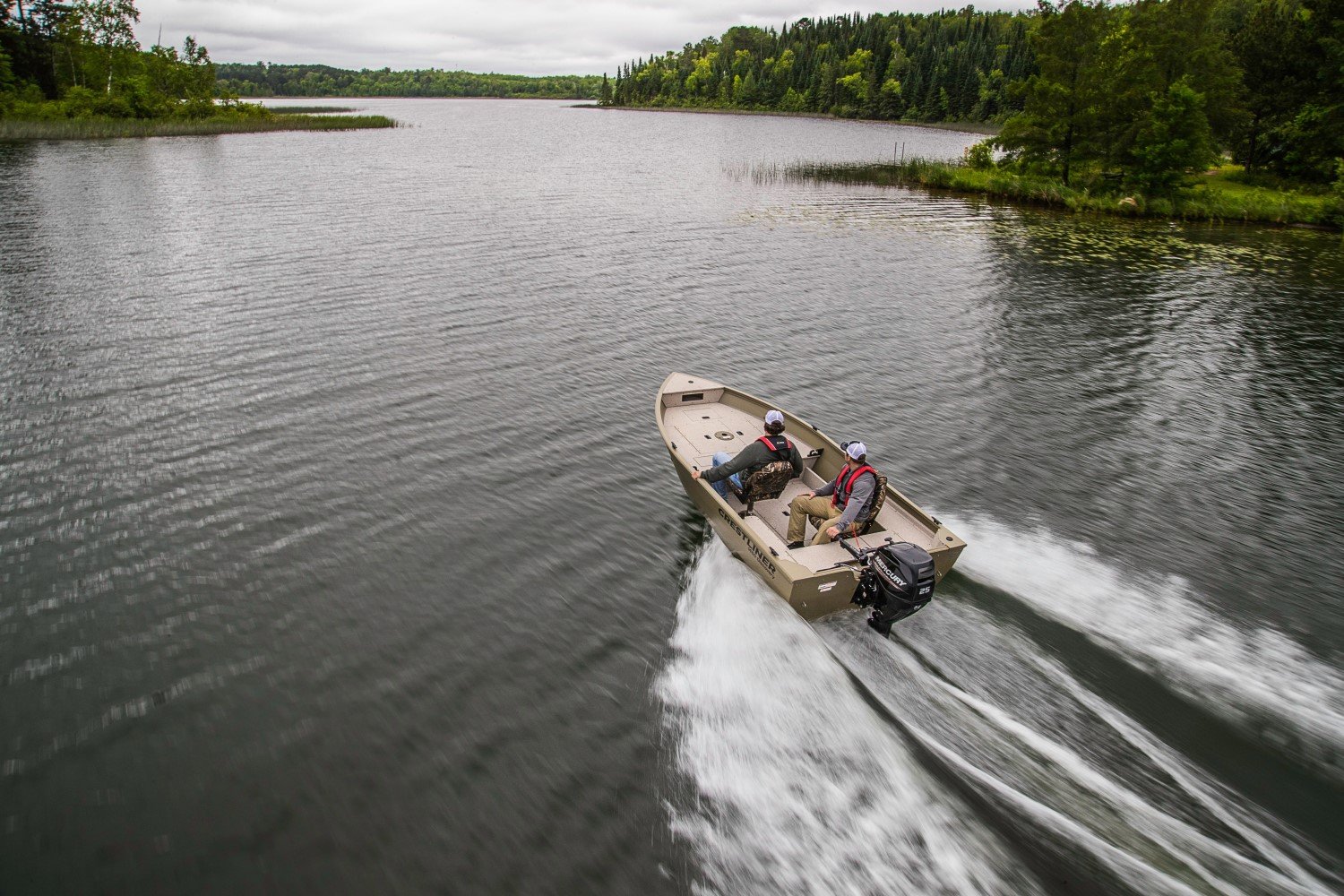
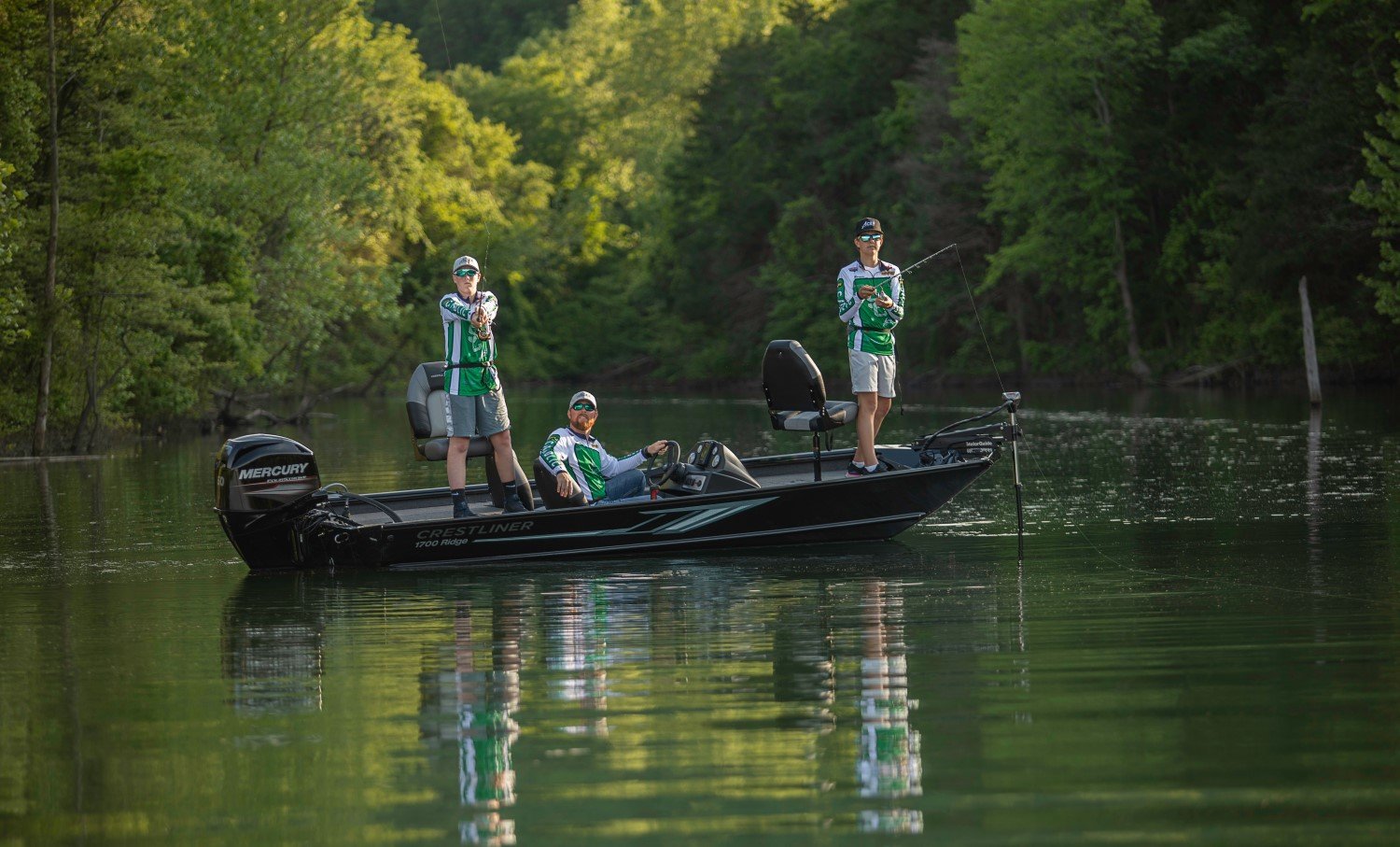
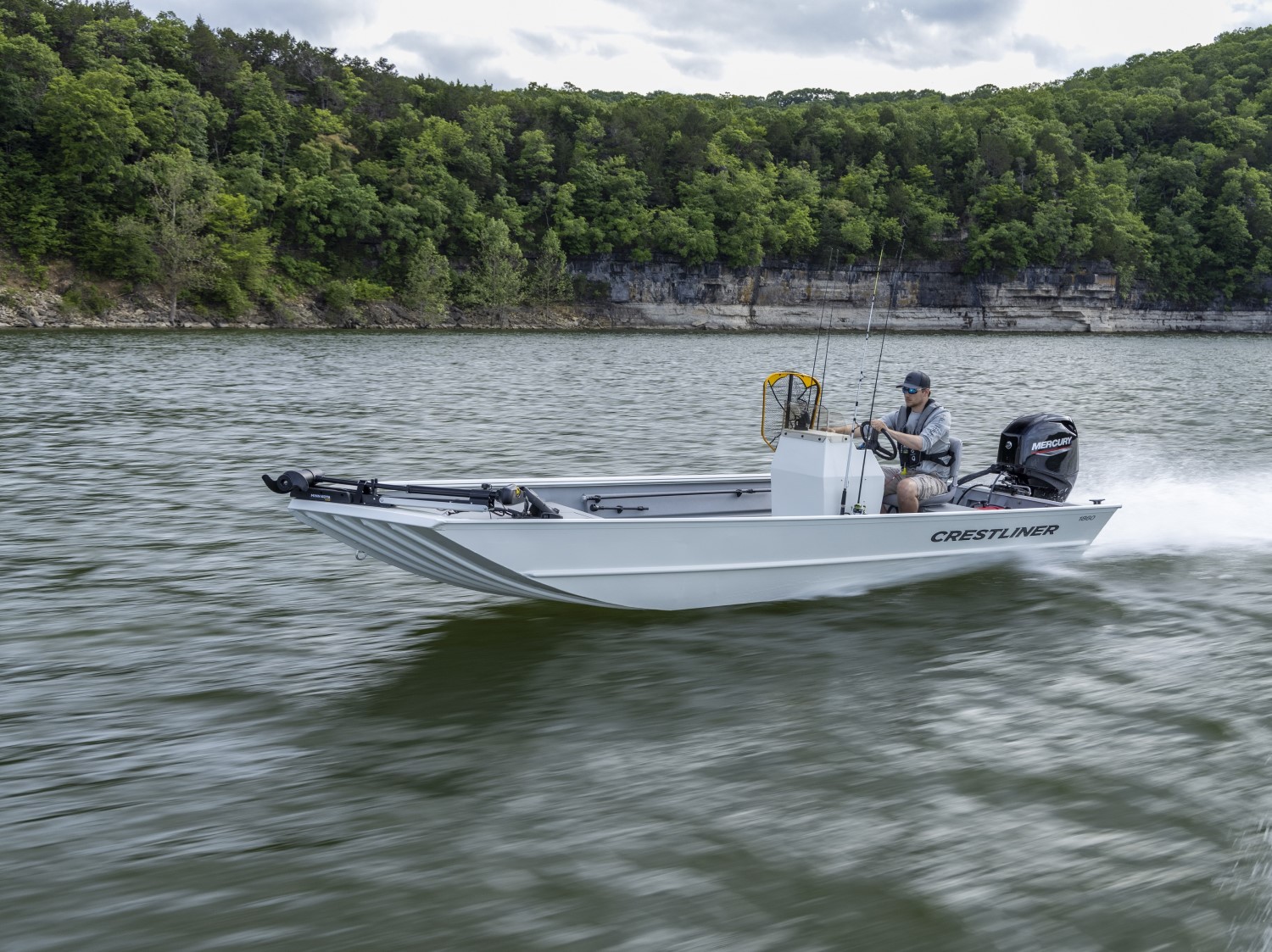
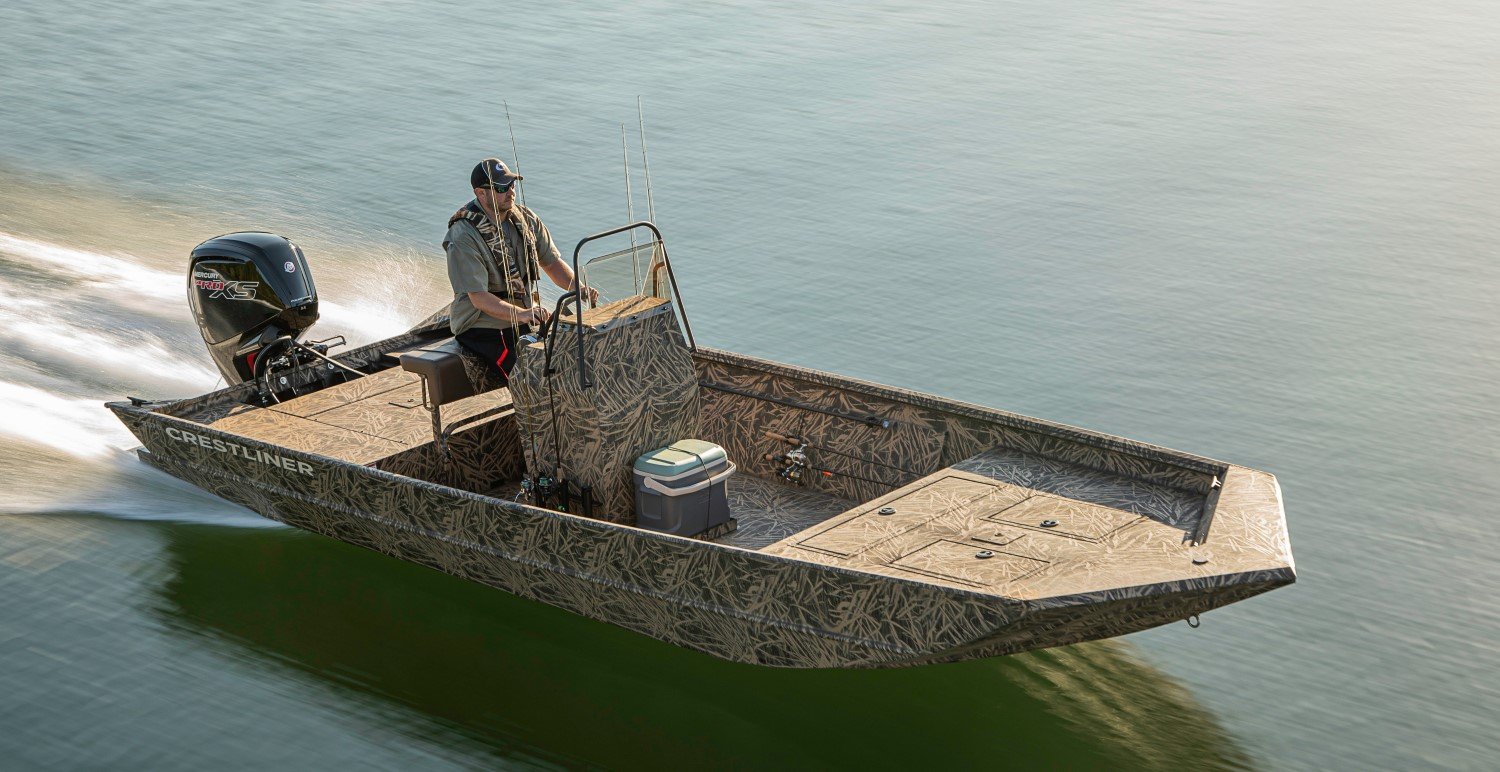
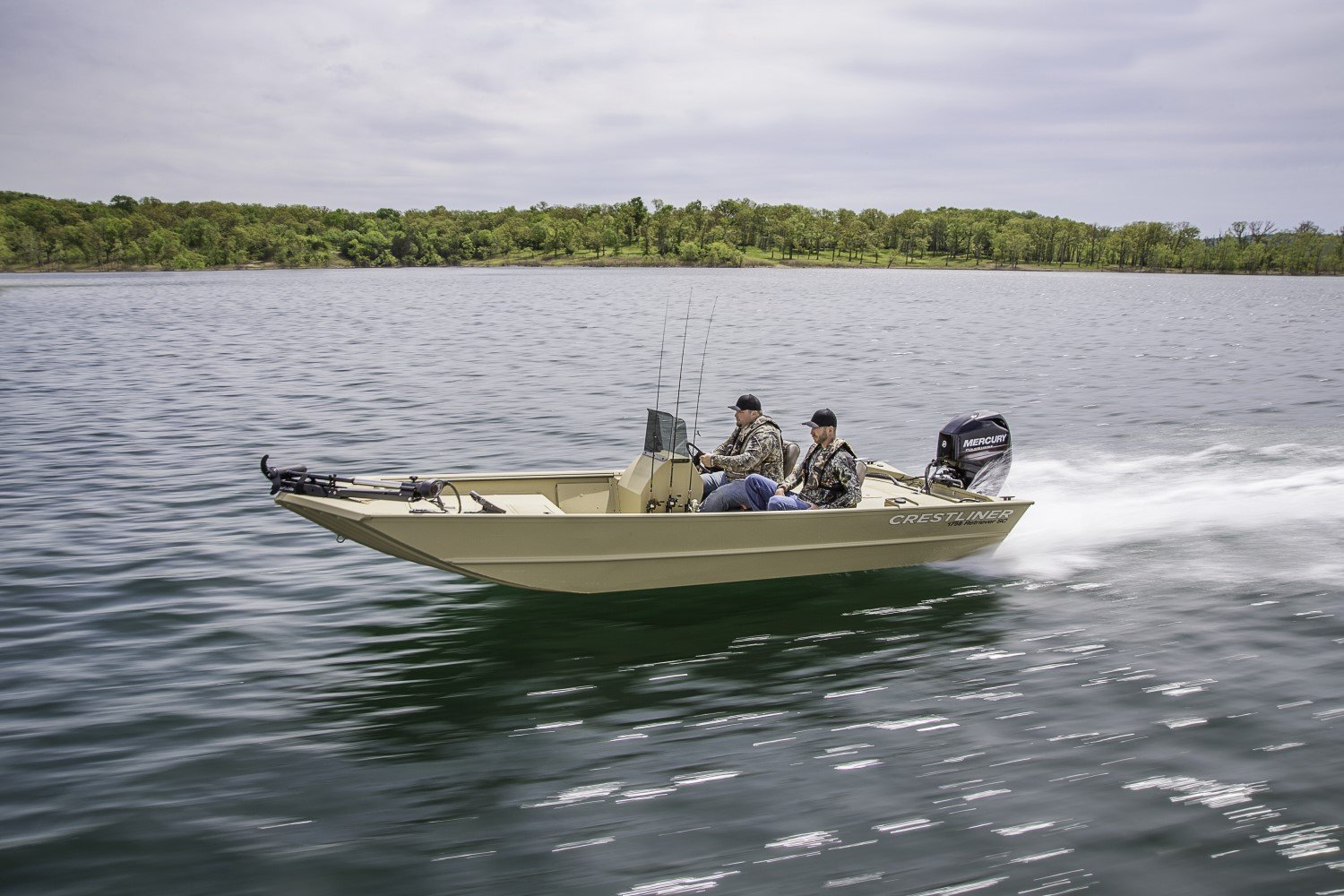
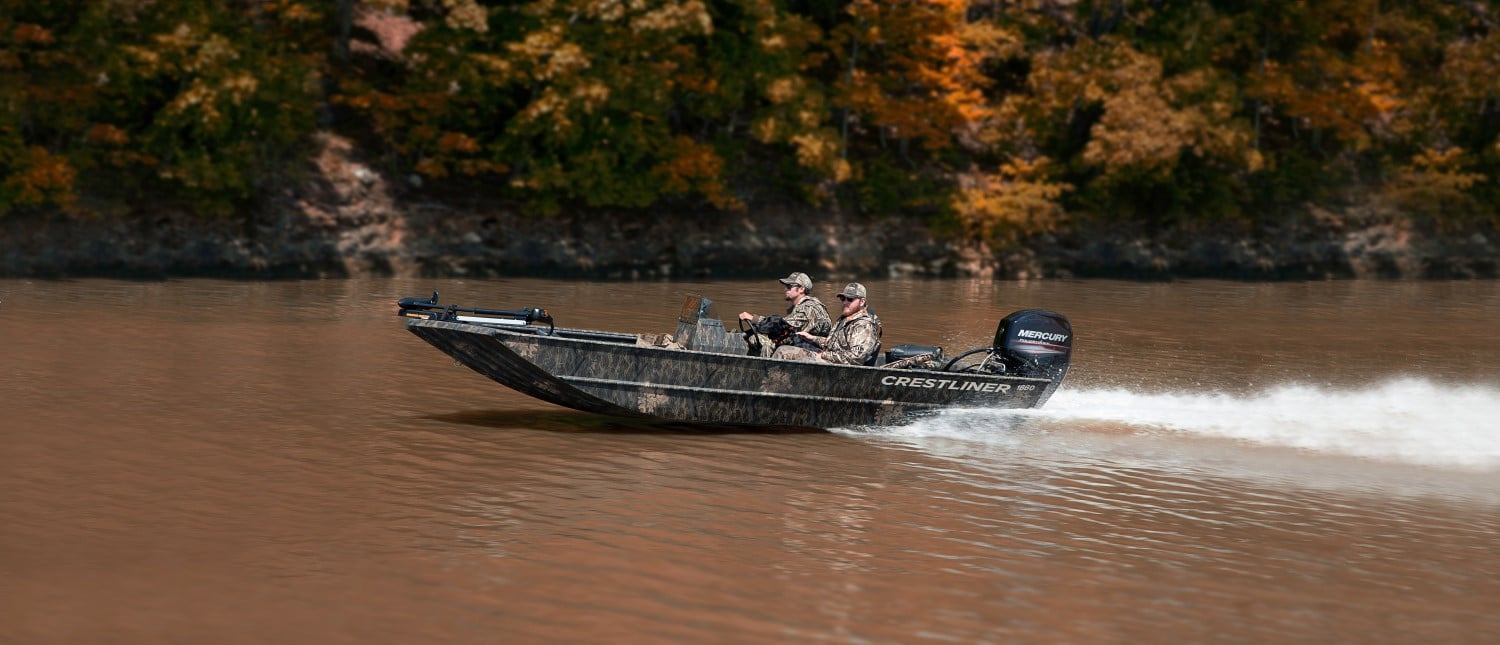
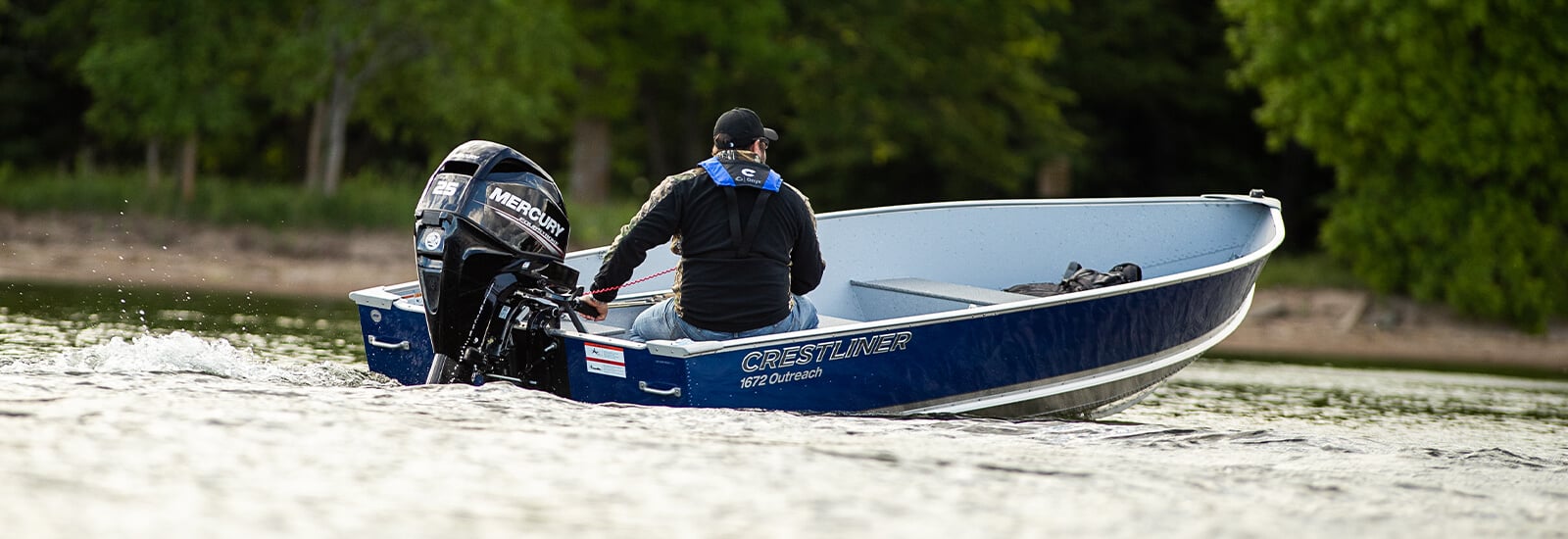
Mod-V aluminum boats from Crestliner use a modified V hull that balances stability with shallow-water capability. They’re popular because they do a little bit of everything reasonably well.
You’ll see them:
- Bass fishing small lakes
- Running rivers
- Pulling up onto shorelines
- Chasing crappie in flooded timber
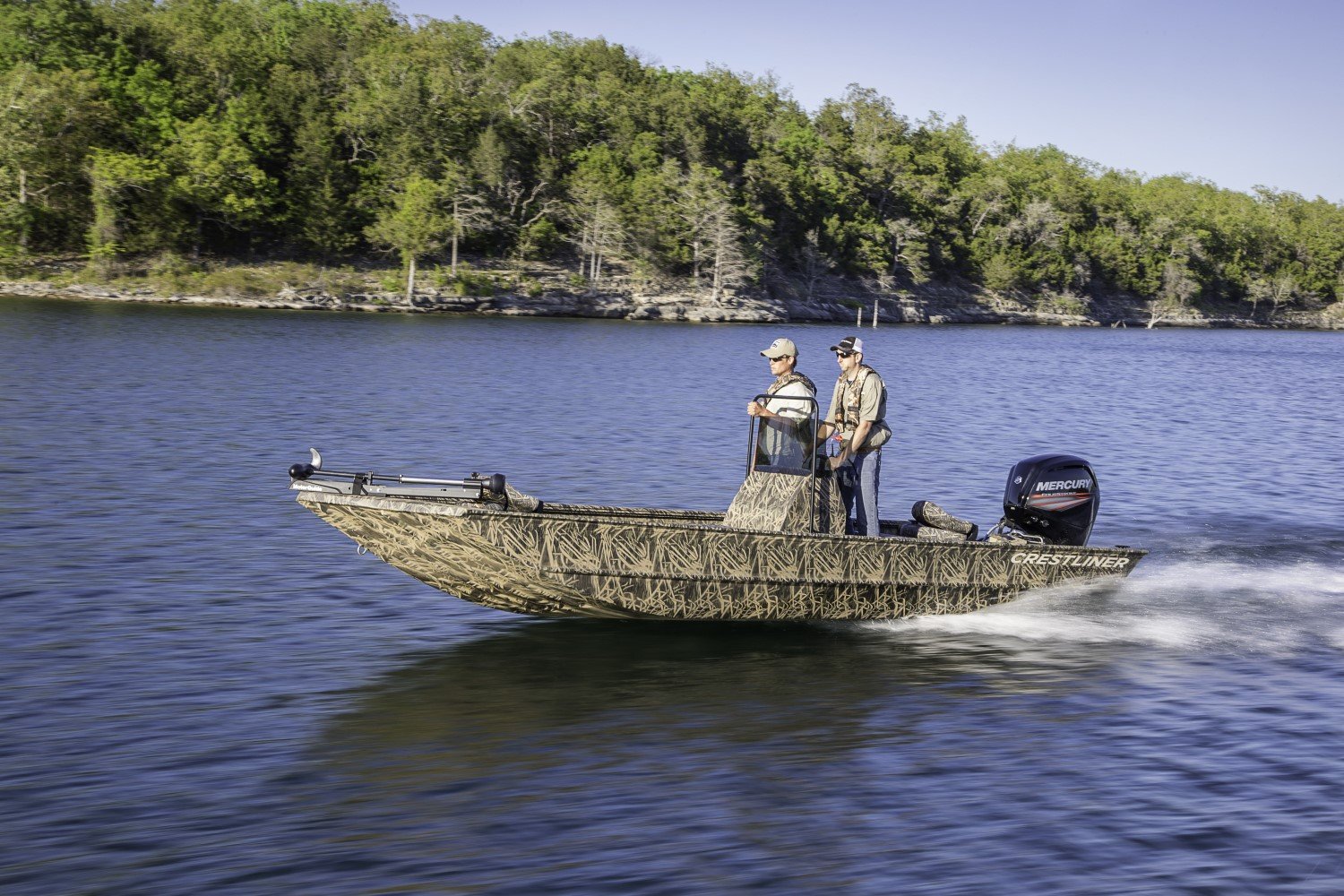
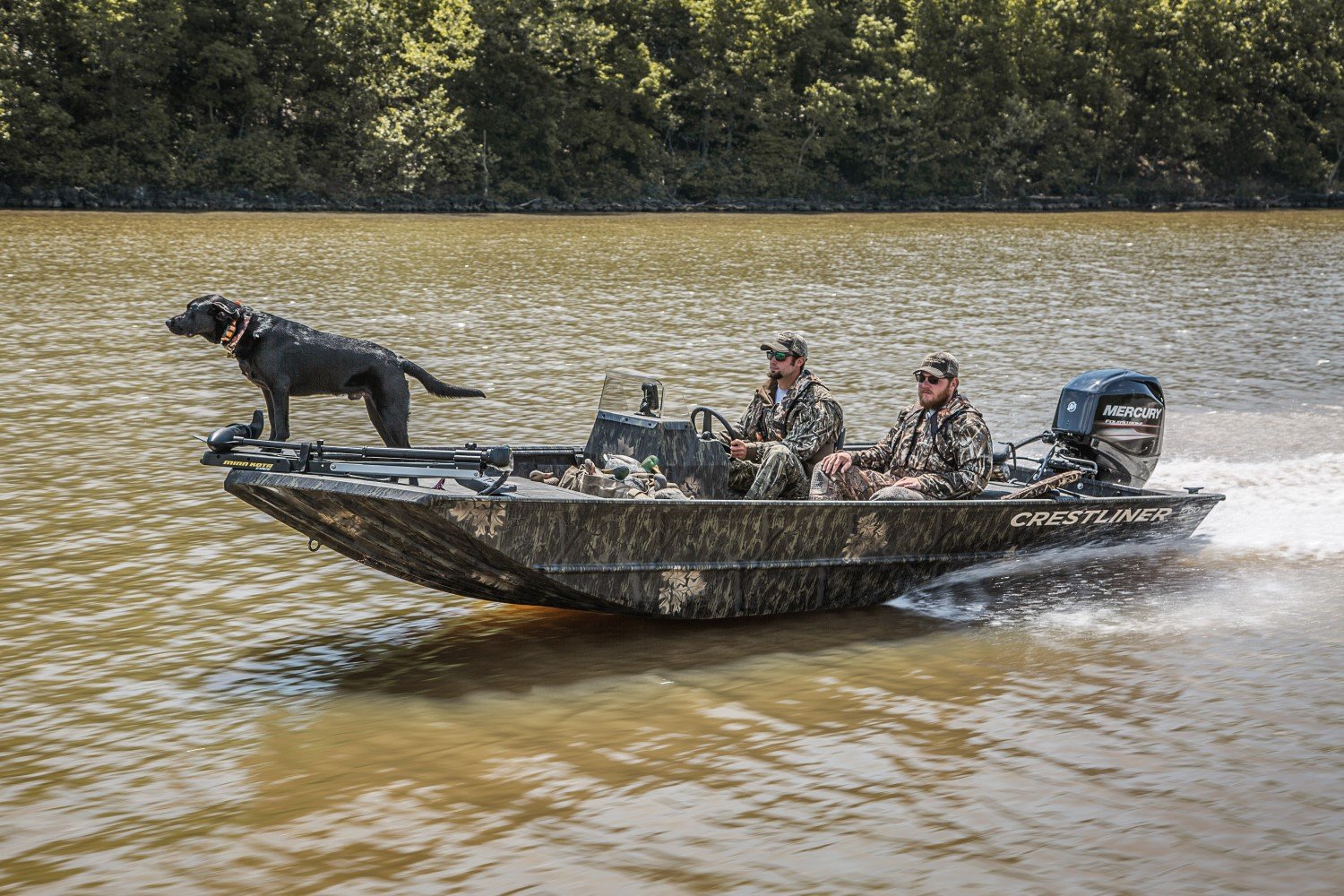
- Duck hunting in the fall
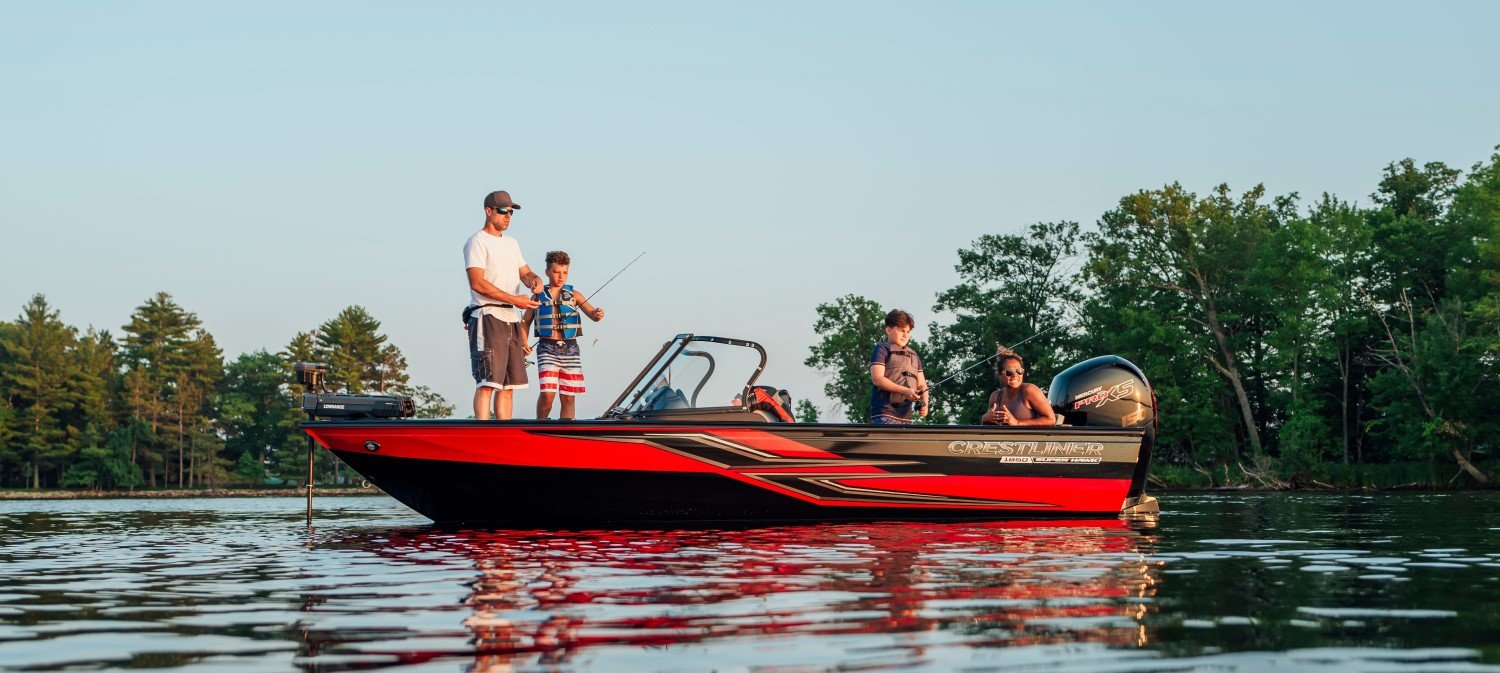
- Hauling kids around in summer
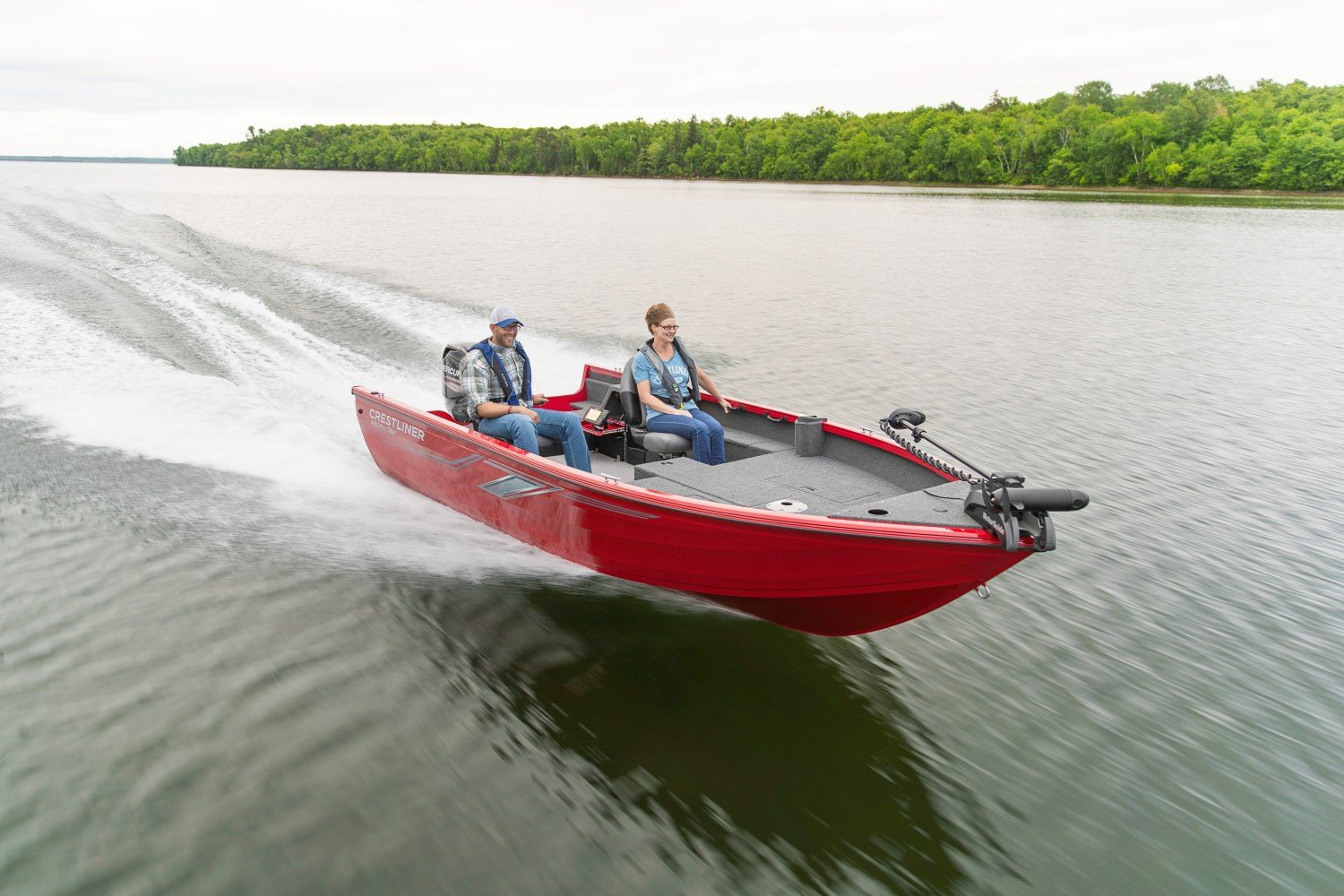
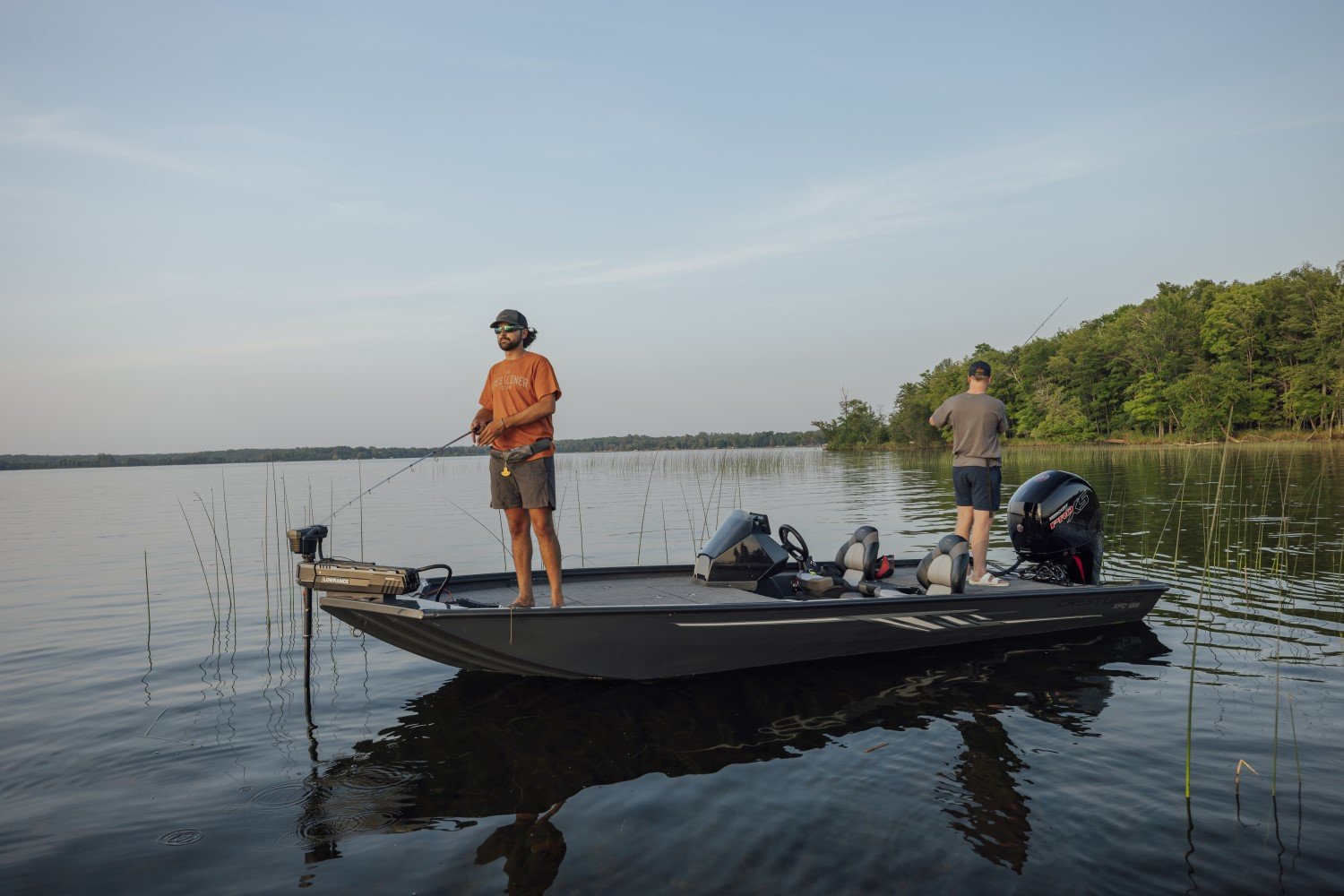
For anglers wanting an all-around fishing platform, models like the XF Series bass boats are designed specifically for shallow-water performance and tournament-style fishing.
They’re practical boats for practical fishermen.
And honestly, practical usually wins over flashy after a few seasons.
Deep-V Aluminum Boats
These are built for rougher water.
Big northern lakes. Windy reservoirs. Great Lakes systems. Places where the weather can turn ugly fast and the ride home matters just as much as the fishing.
Deep-V hulls boats from Crestliner cut through chop better and usually offer:
- Higher sides
- More interior depth
- Better cold-weather protection
- Full windshields
- Larger fuel capacity
- More storage
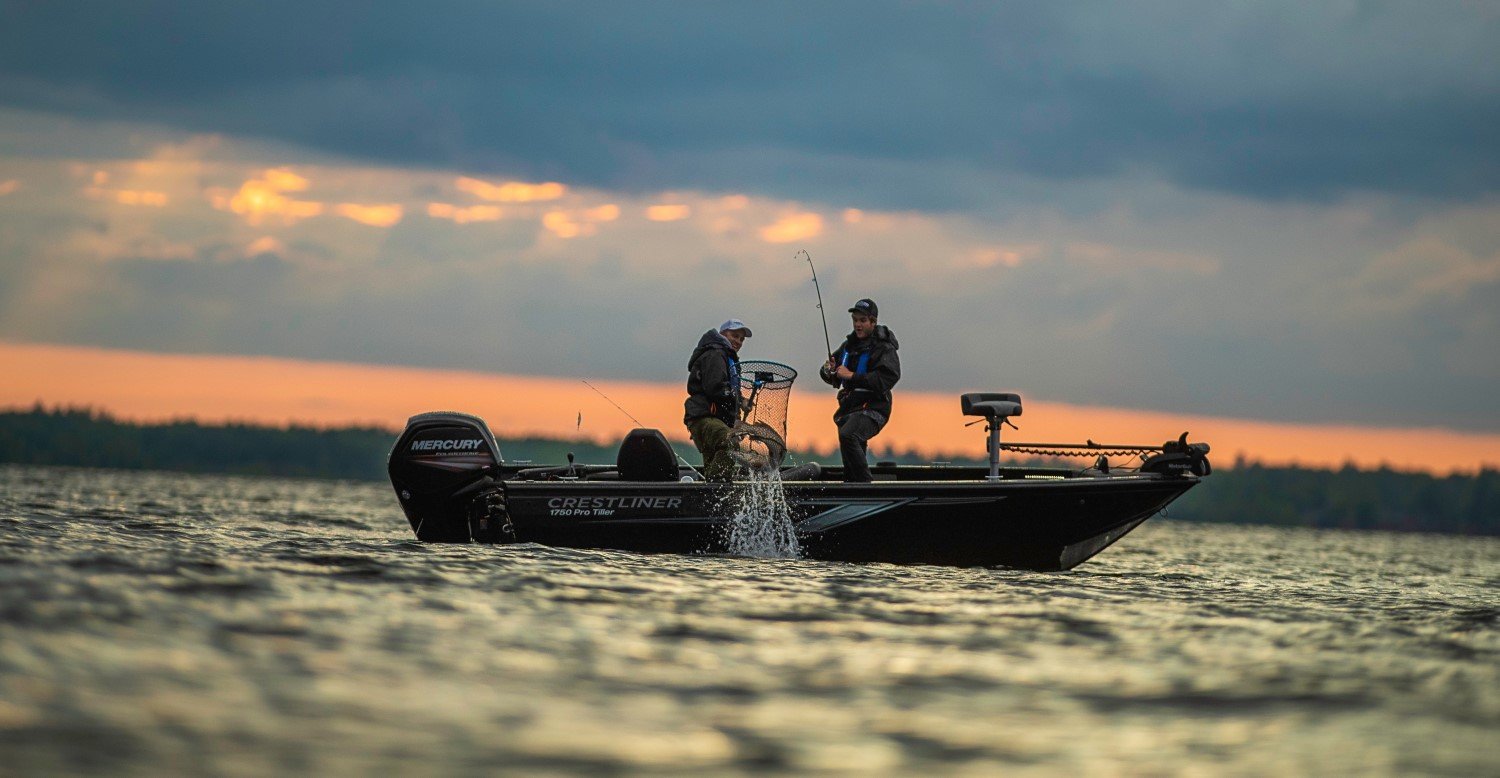
Walleye anglers practically built an entire culture around deep-V aluminum boats for one reason: they work.
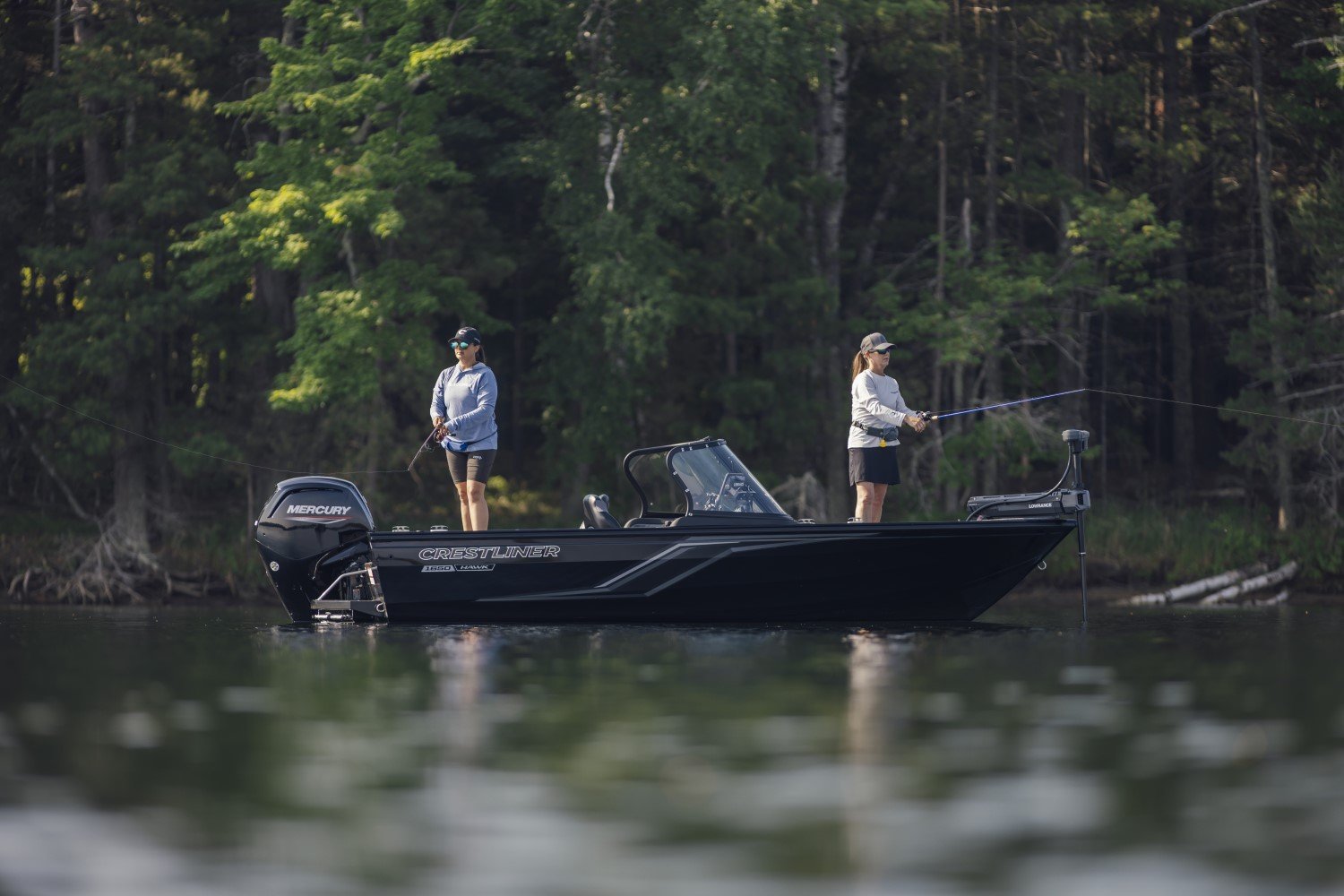
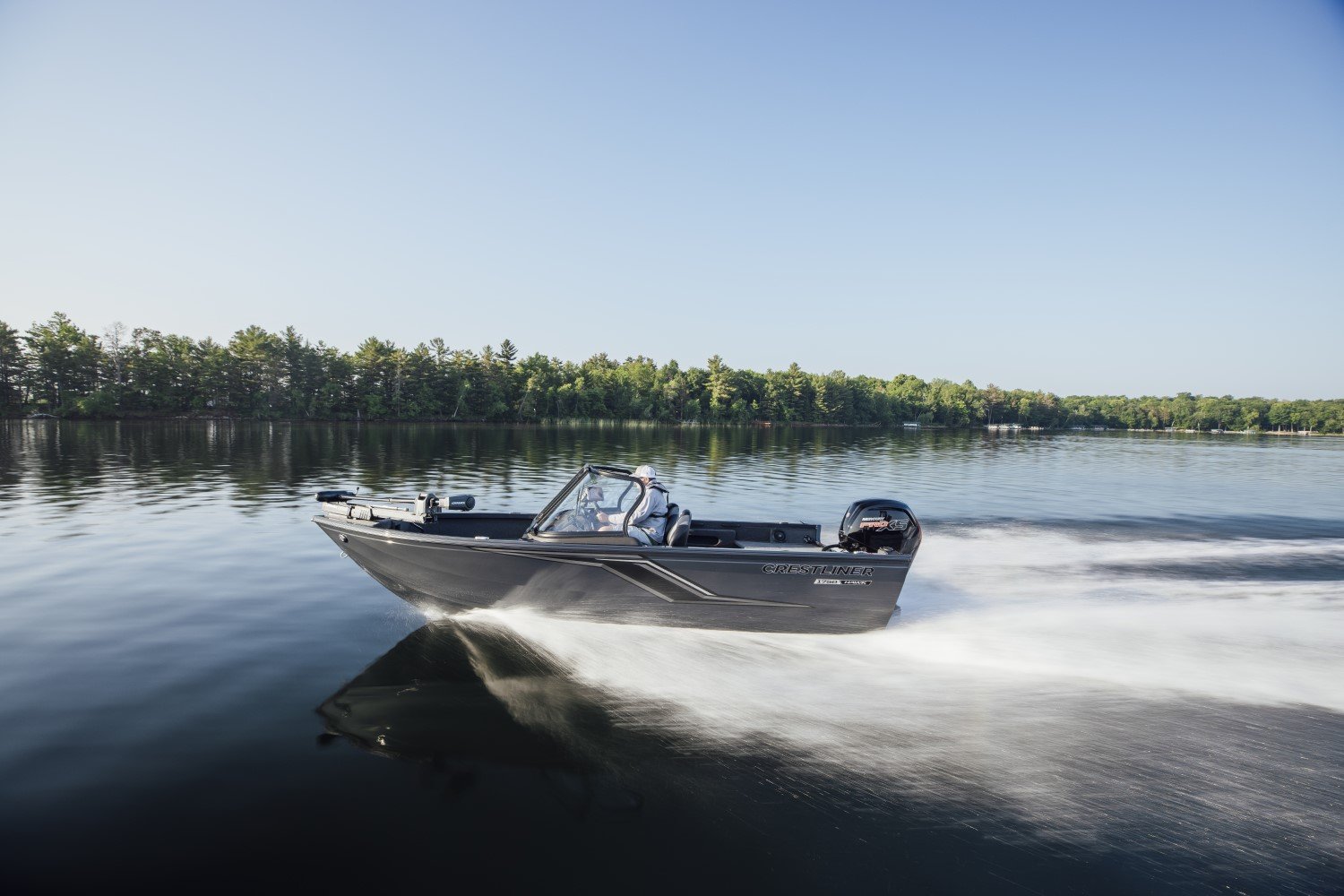
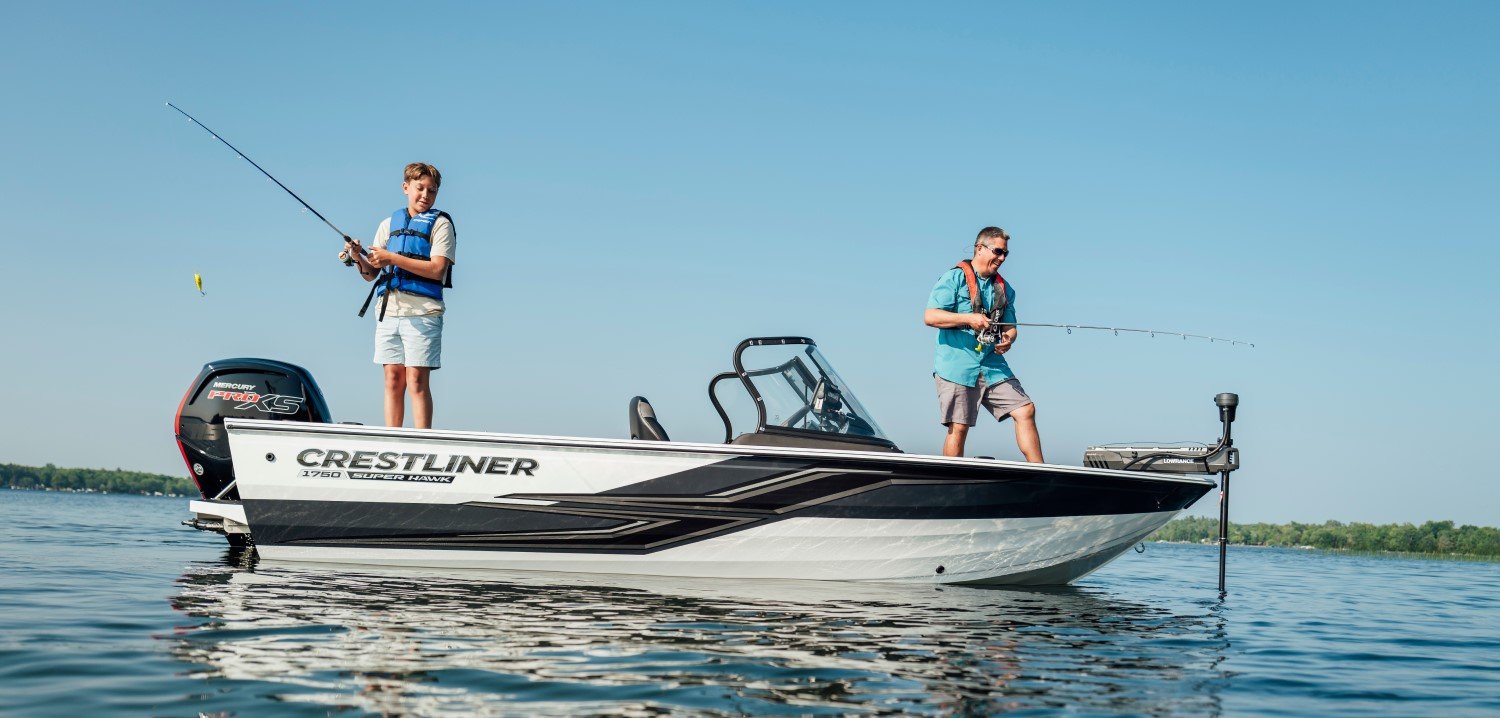
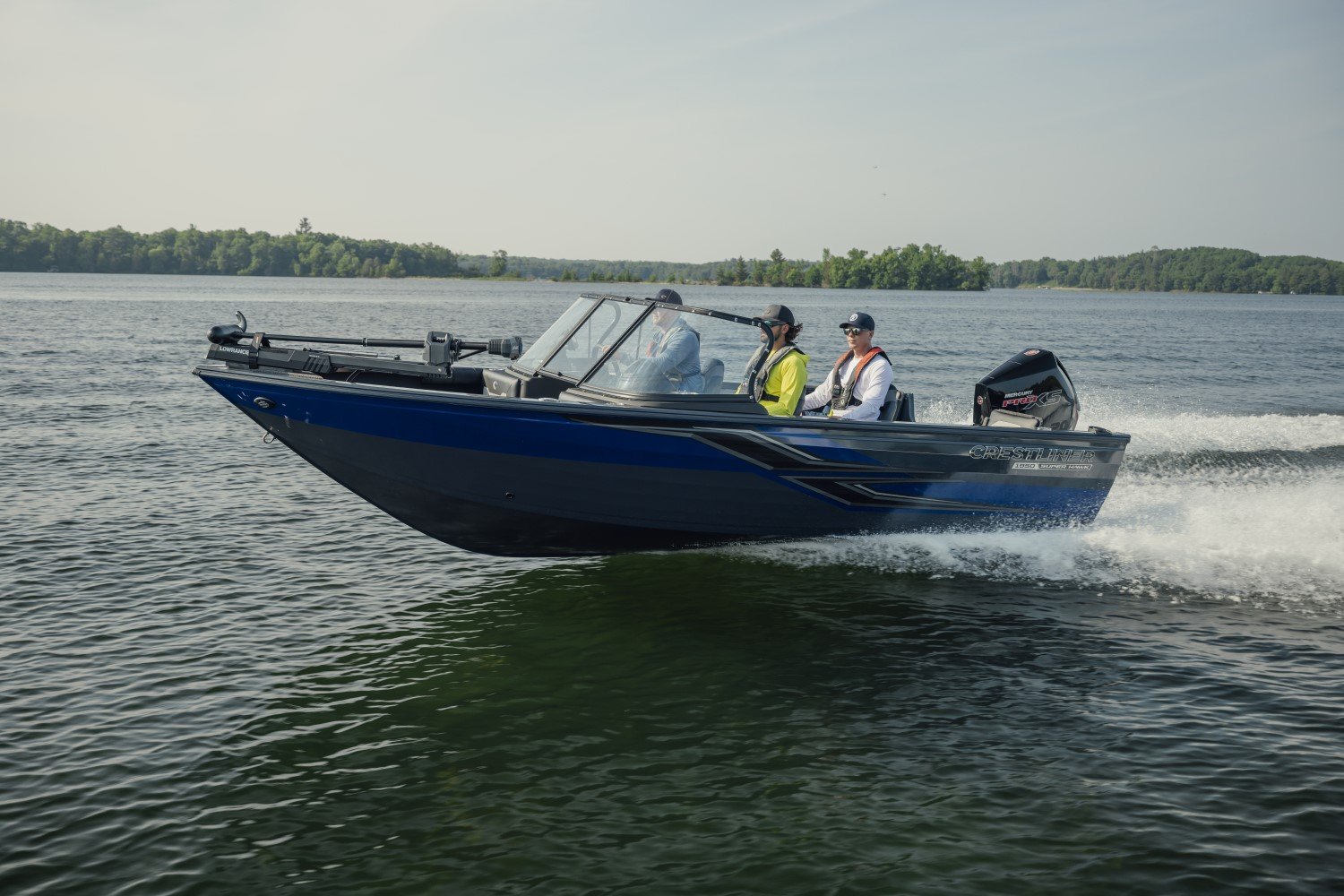
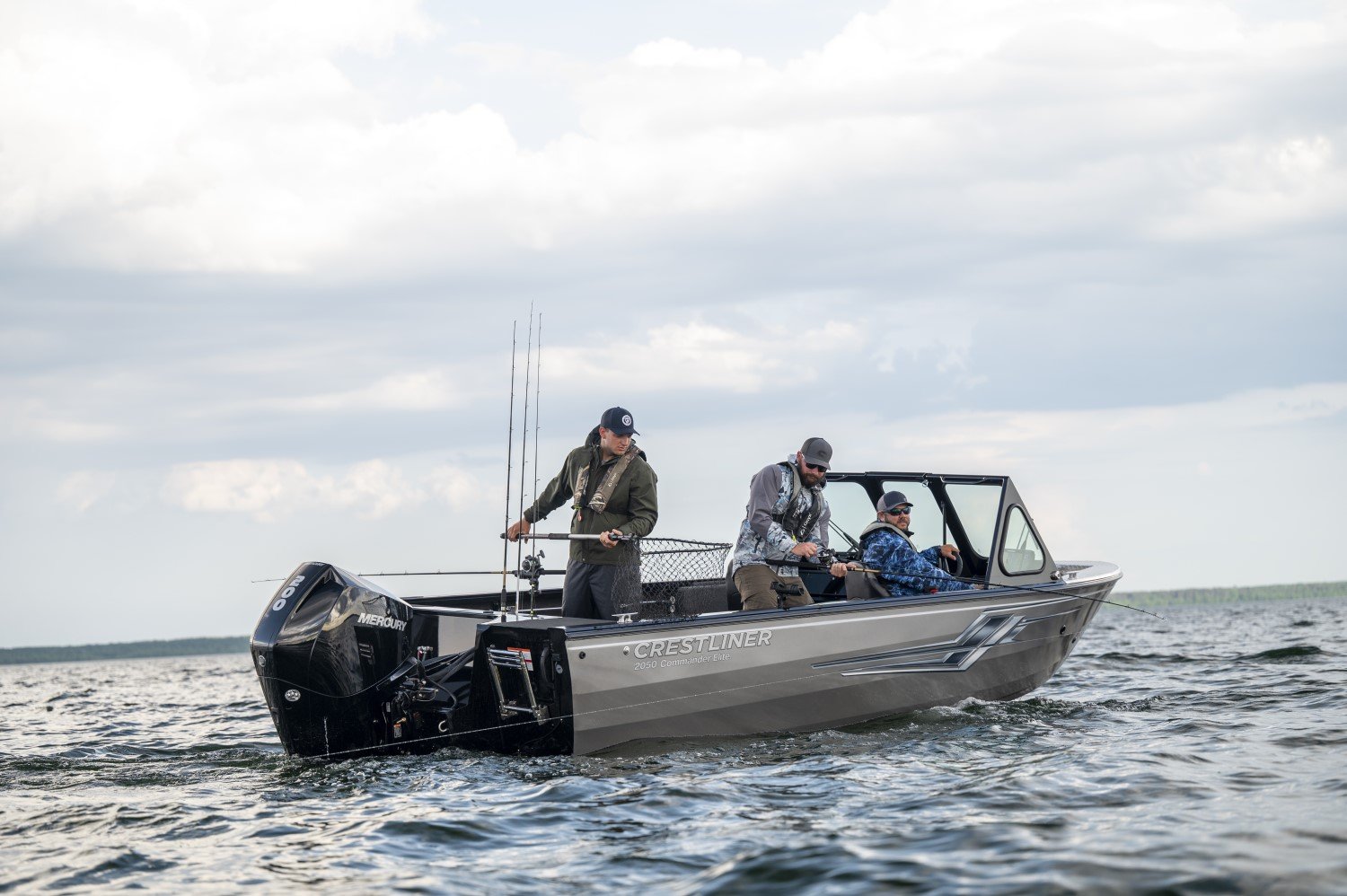
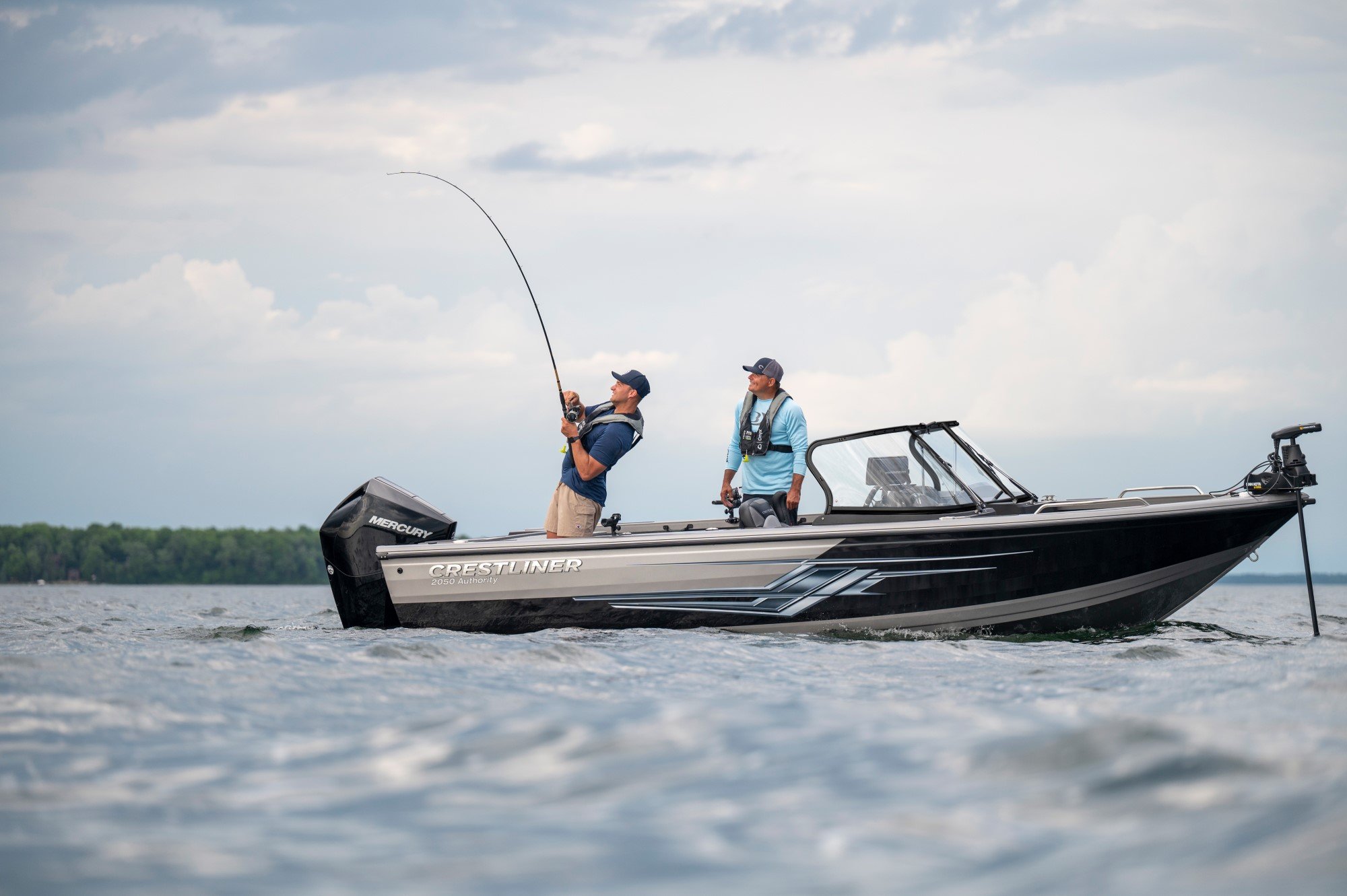
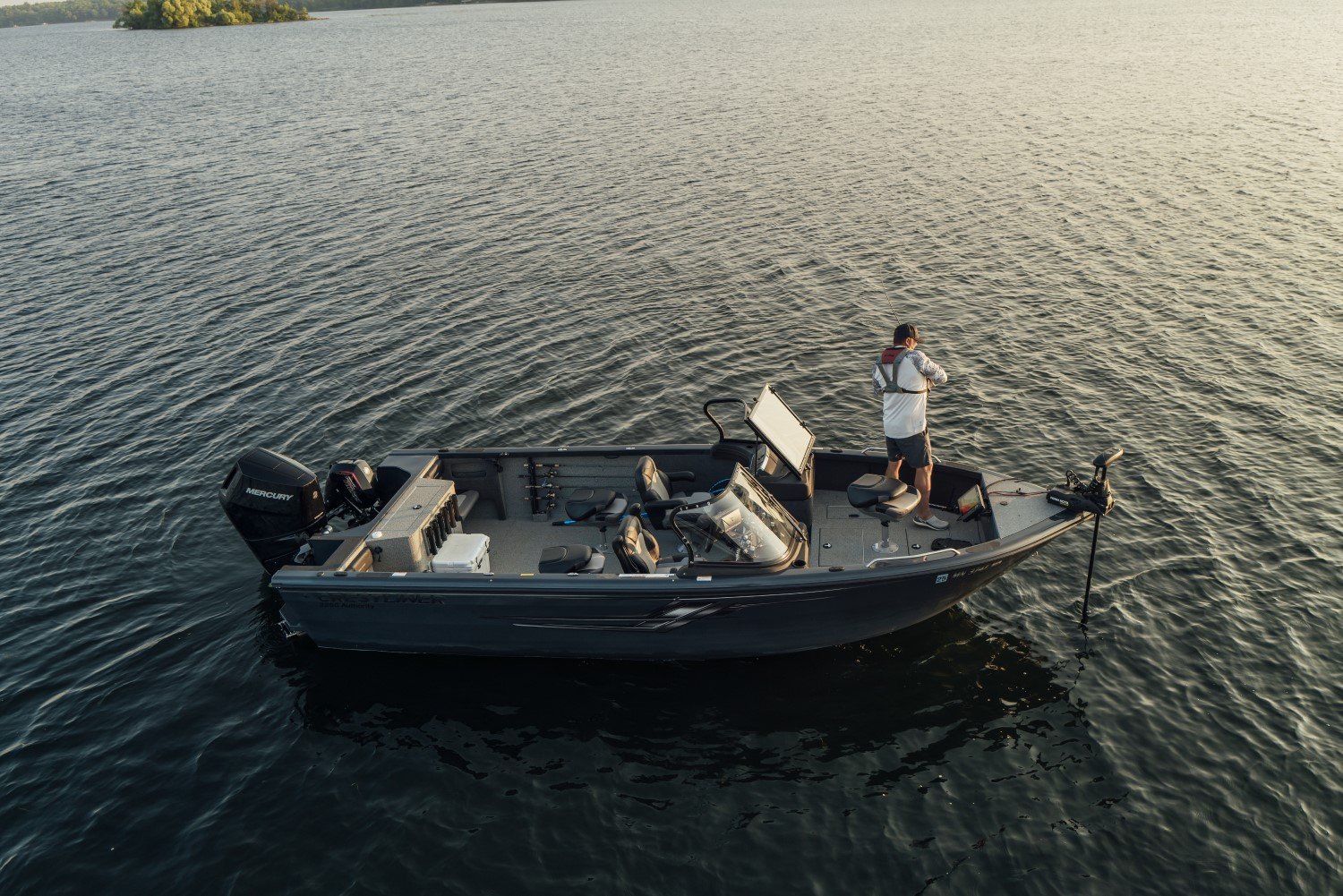
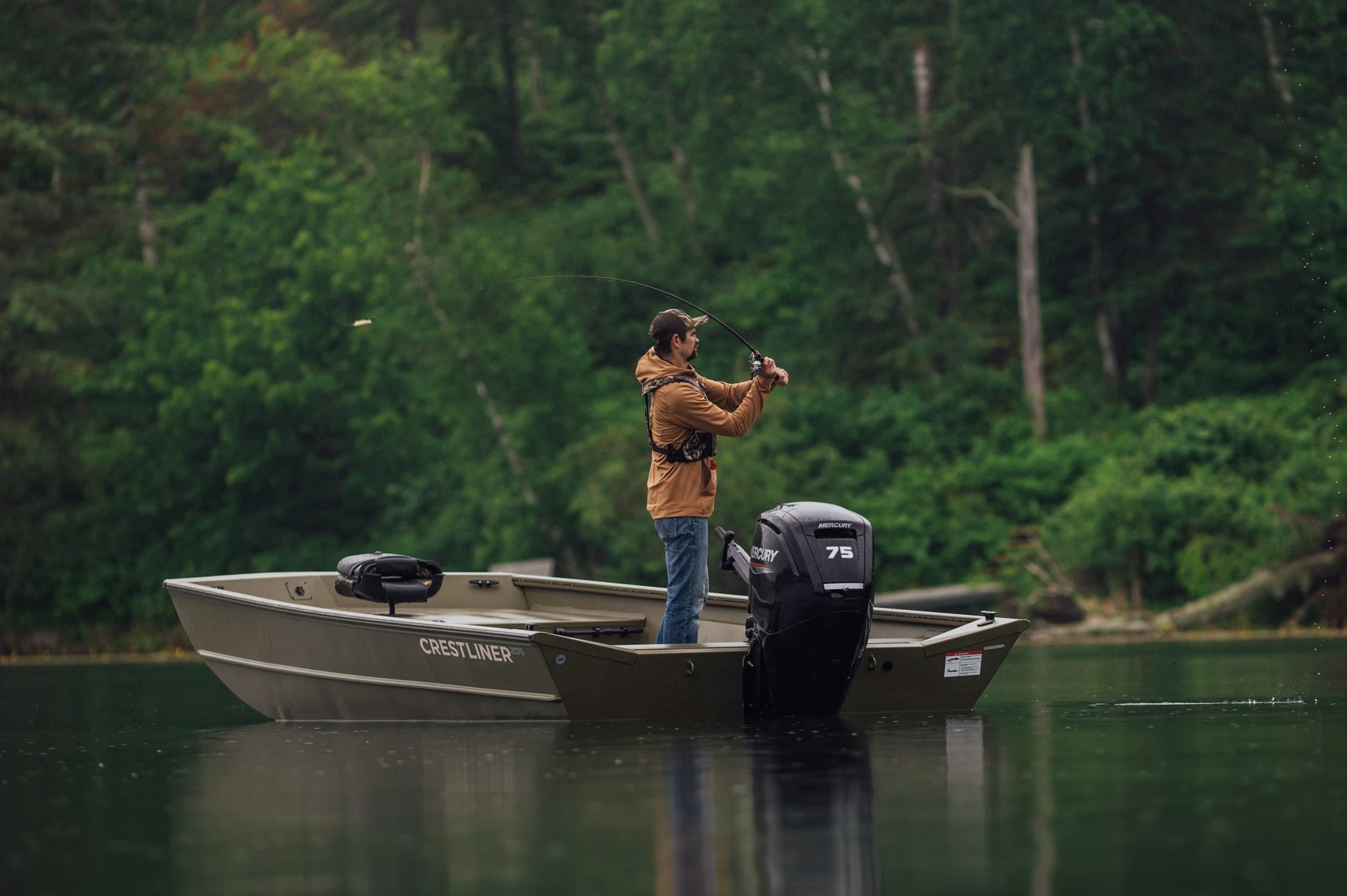
For serious big-water fishing, models like the Fish Hawk Series and Authority Series are built for rough-water performance and long runs
Aluminum Bass Boats
This category exploded recently.
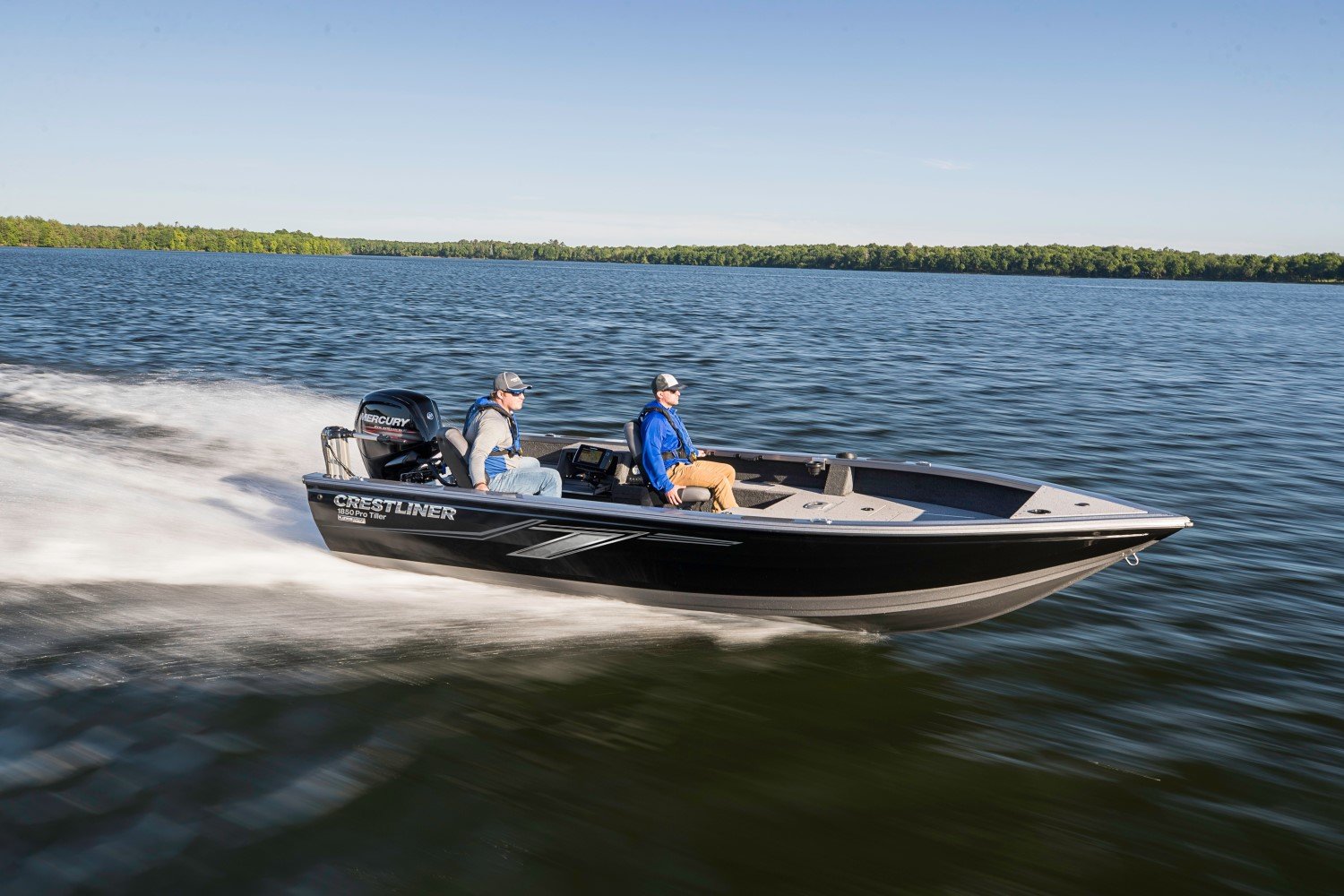
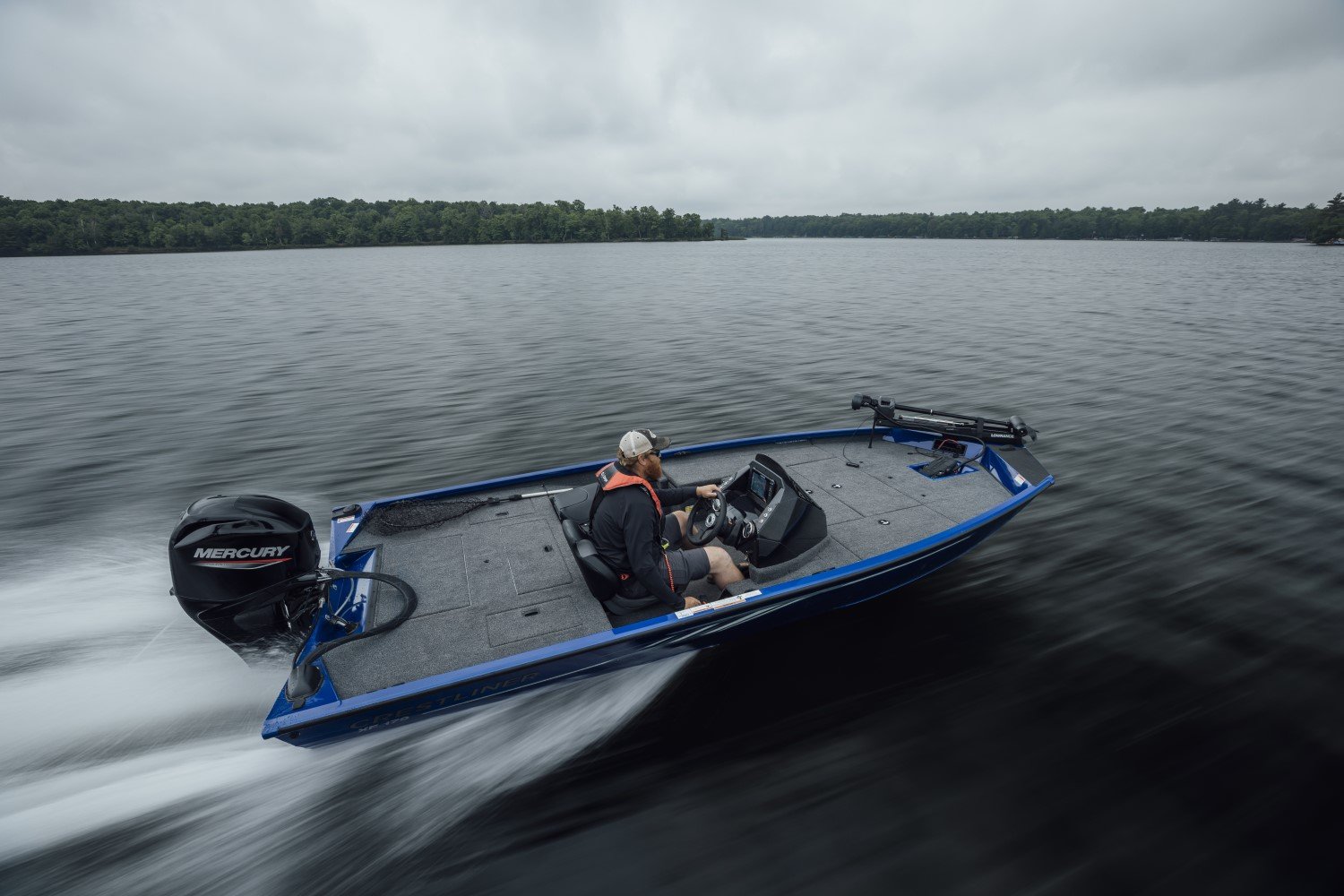
Today’s aluminum bass boats are faster, cleaner, and more tournament-ready than ever before. Some are pushing horsepower numbers that would’ve sounded ridiculous twenty years ago.
The advantage is simple:
- Lighter hulls
- Easier towing
- Lower operating costs
- Better shallow-water access
- Less maintenance stress
For anglers who fish hard but don’t want fiberglass-level expenses, aluminum bass boats hit a sweet spot.
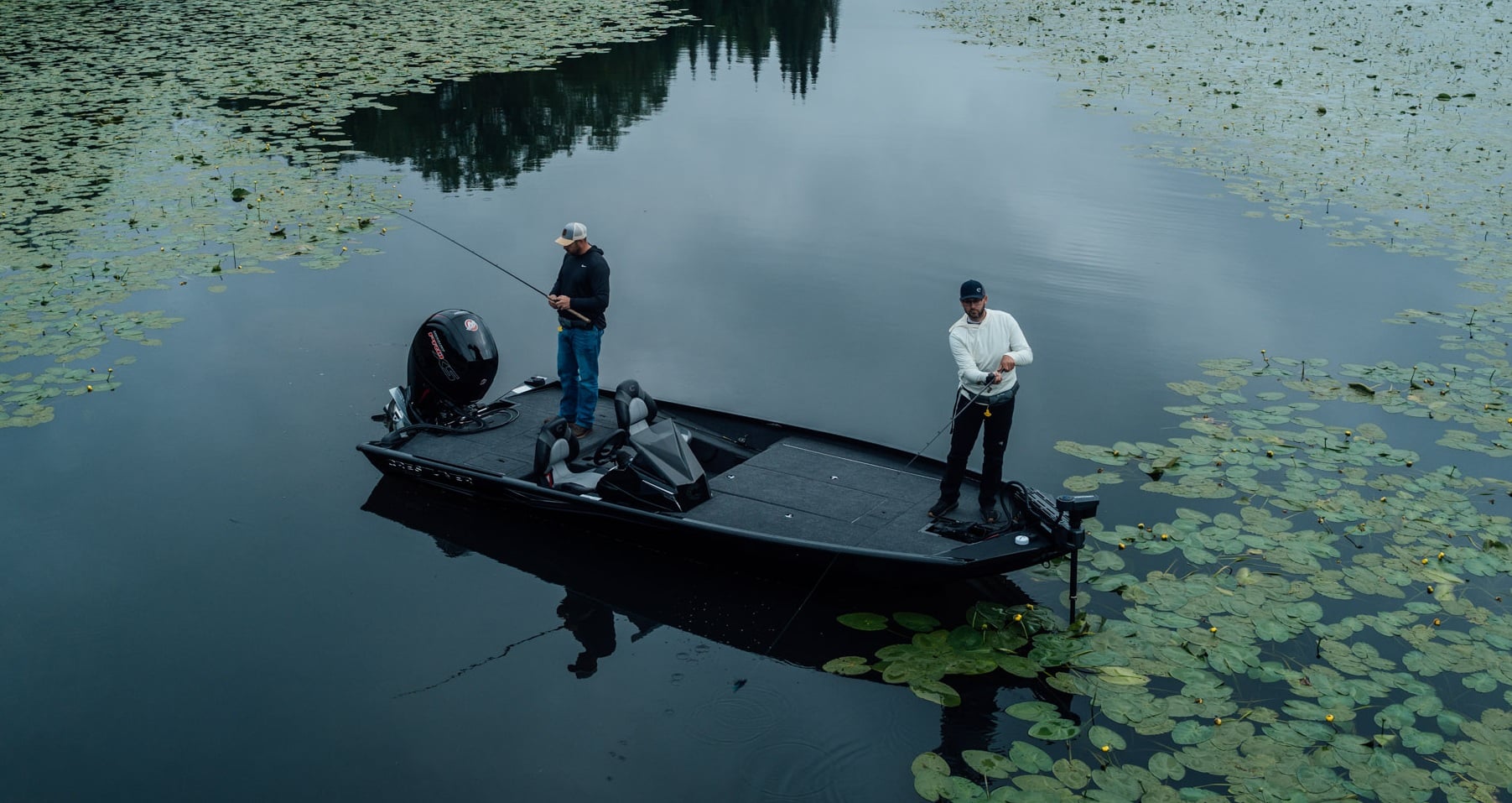
Crestliner’s XF 179 and XF 189 are good examples of modern aluminum bass boats designed for shallow-water maneuverability and serious fishability.
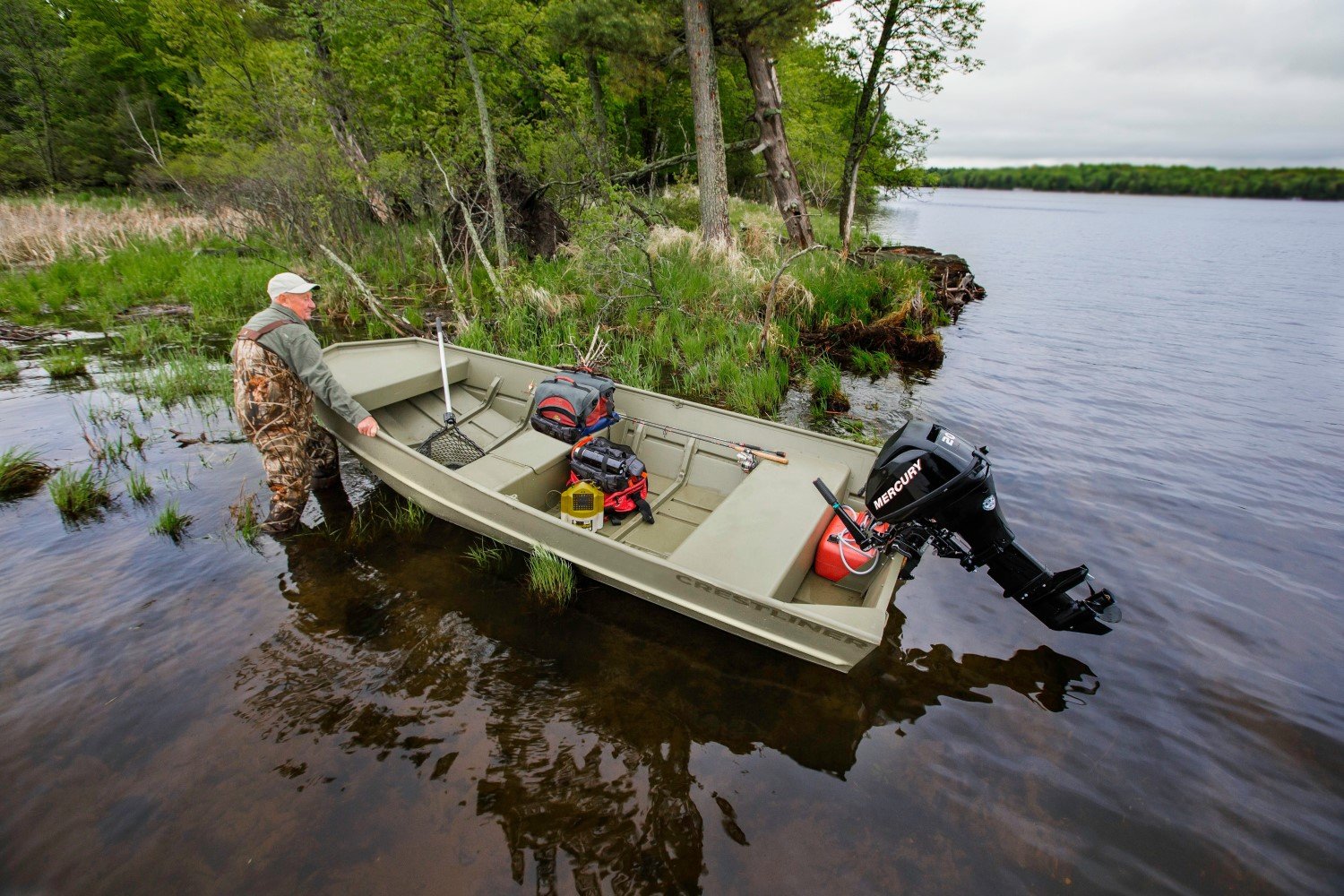
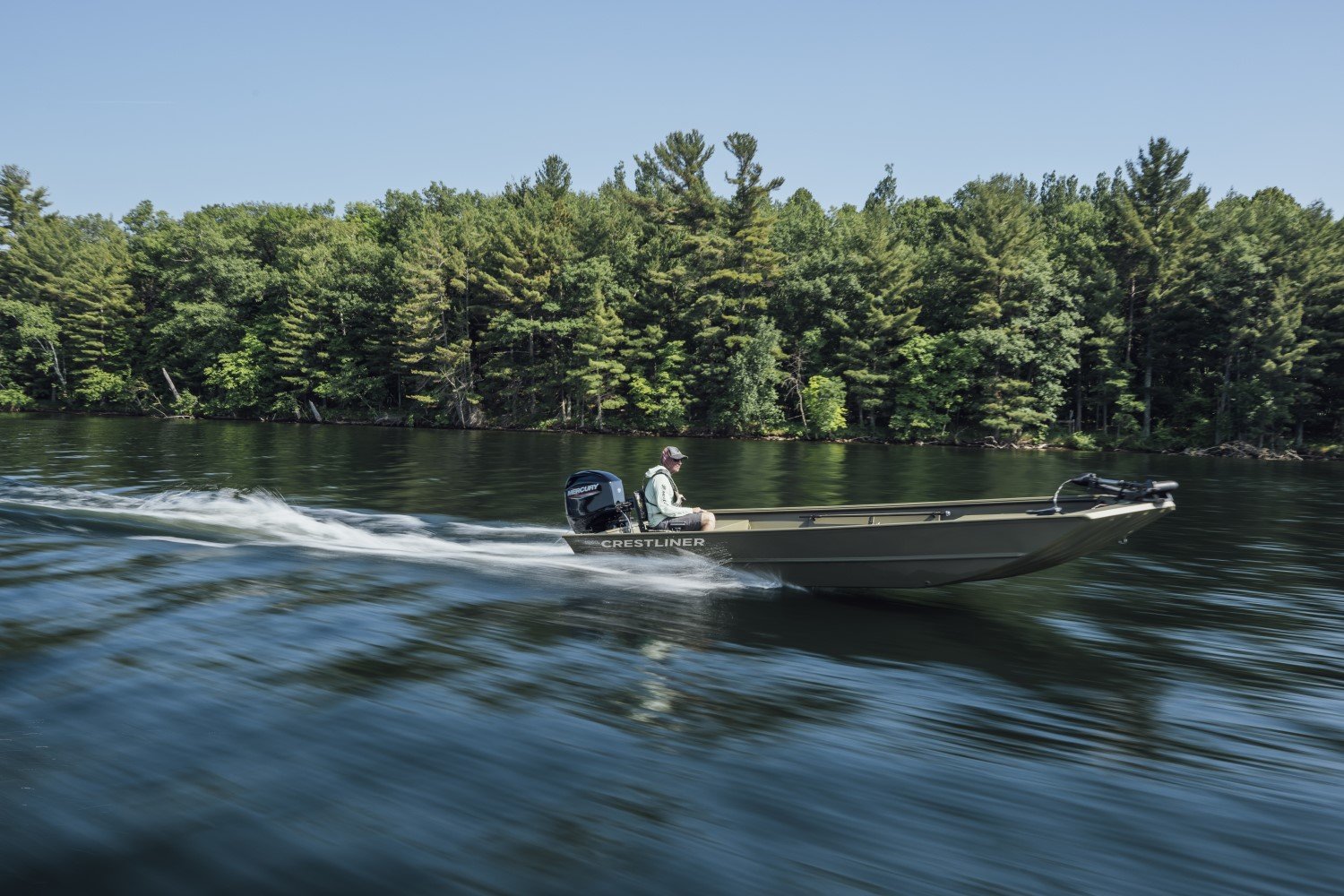
Jon Boats
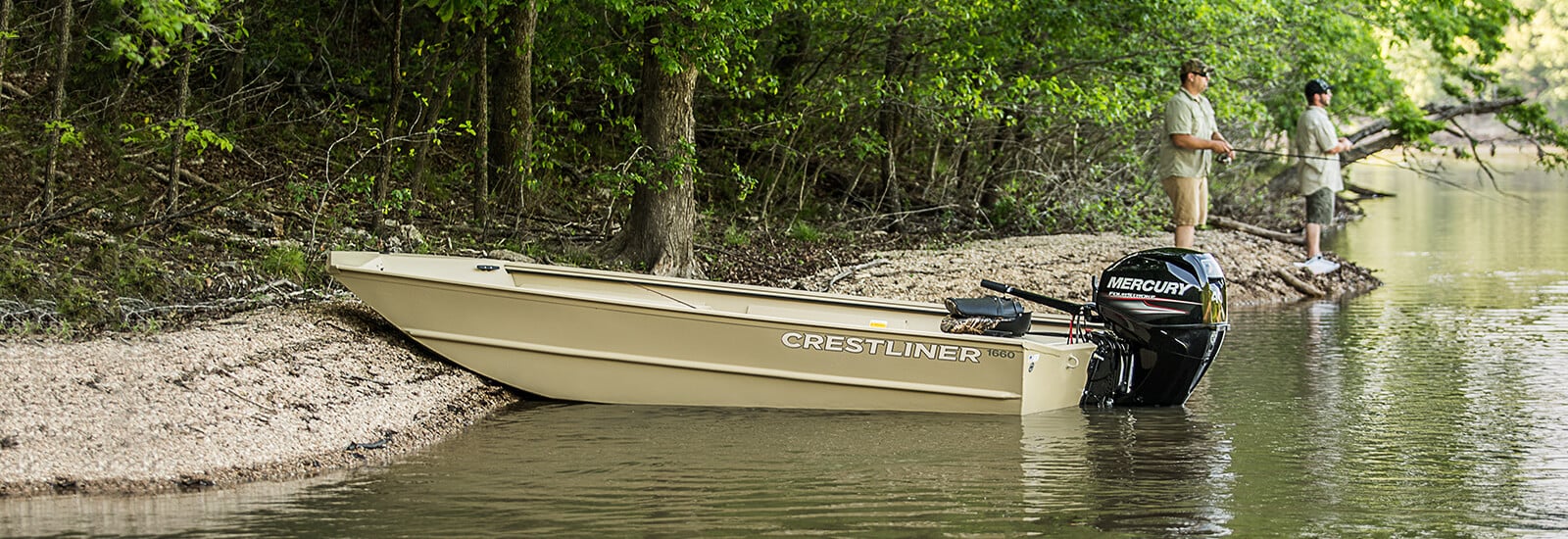
The simplest boats often survive the longest.
A jon boat doesn’t care about trends.
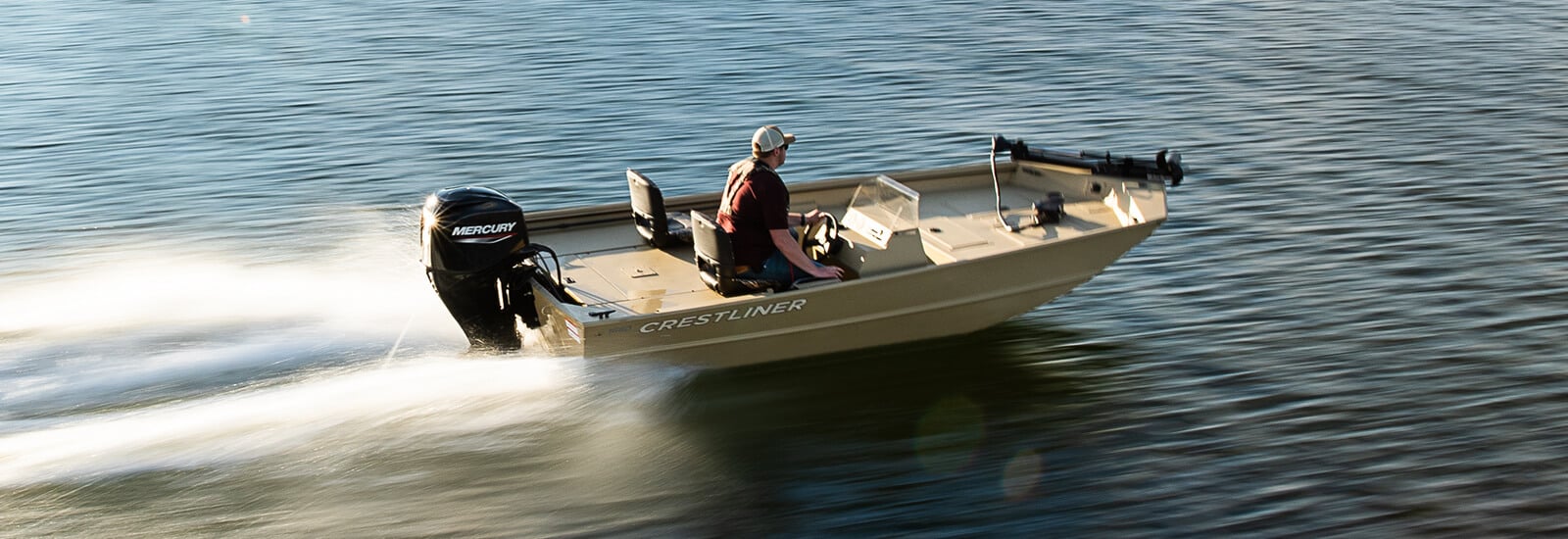
It’s a floating tool. That’s the appeal.
People use them for:
- River fishing
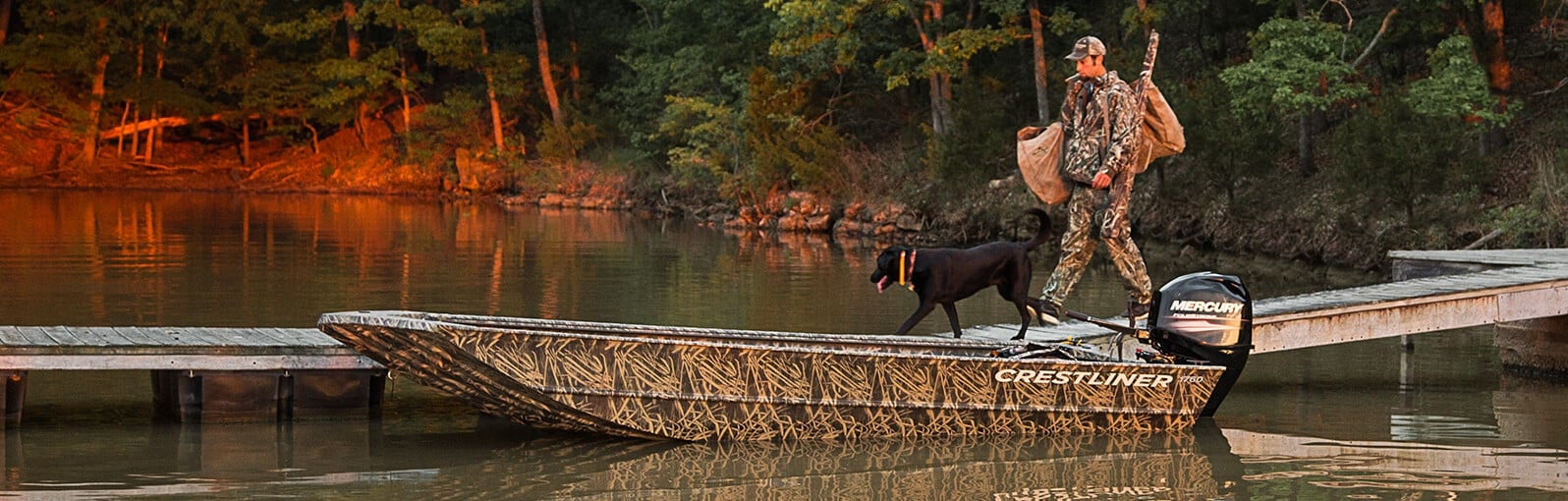
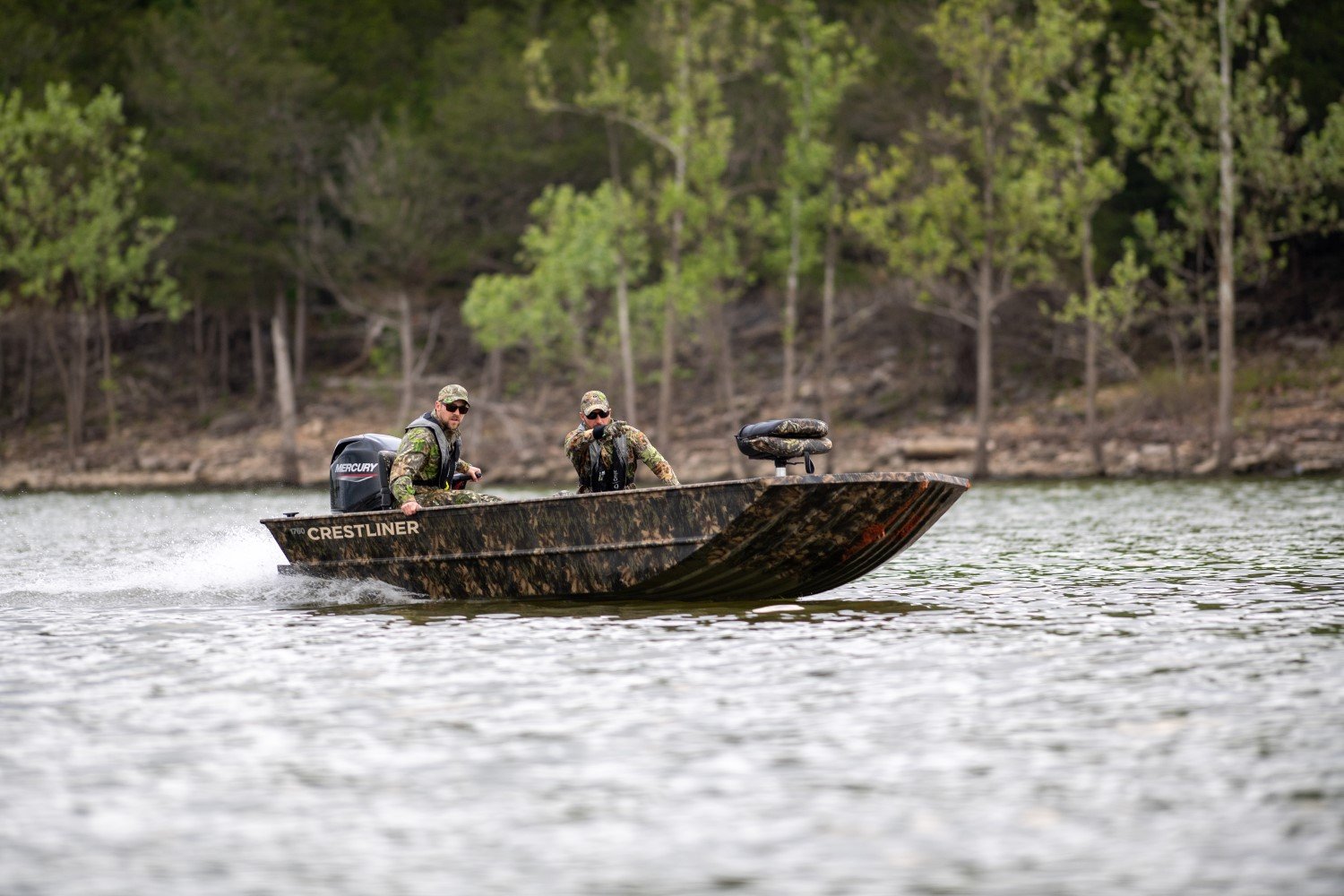
- Duck hunting
- Farm ponds
- Electric-only lakes
- Backwater exploration
- Catfishing
- Crabbing
- Bowfishing
Some stay barebones forever. Others become full-blown custom rigs with casting decks, electronics, lights, storage boxes, and mud motors.
Either way, they earn their keep.
Welded vs. Riveted Aluminum Boats
This debate has been going on for decades.
And honestly? Both can be excellent.
Welded Boats
Welded boats are generally viewed as tougher and more rugged.
That’s why they’re popular with:
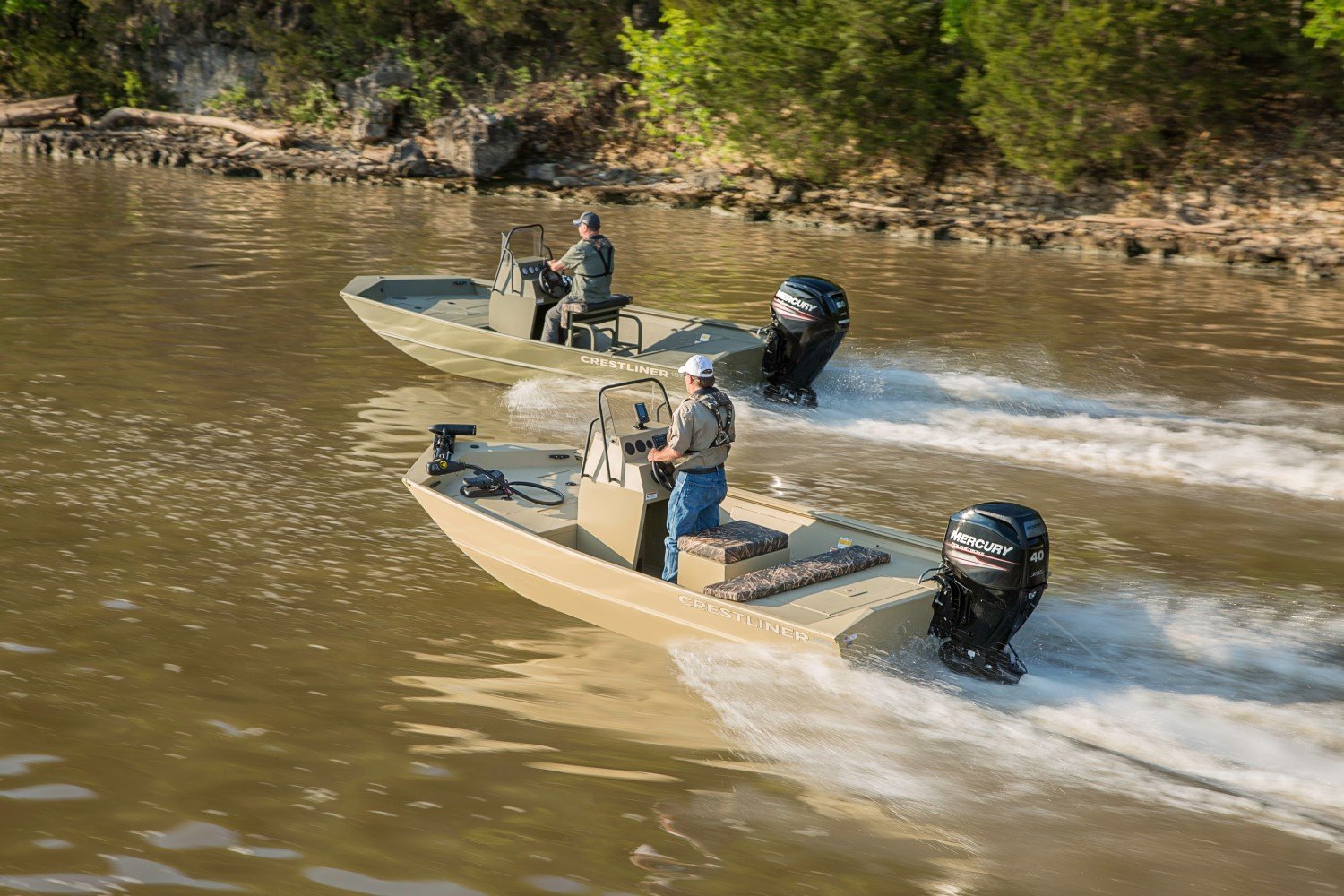
- River anglers
- Shallow-water fishermen
- Hunters
- Guides
- Commercial users
They’re designed to take abuse.
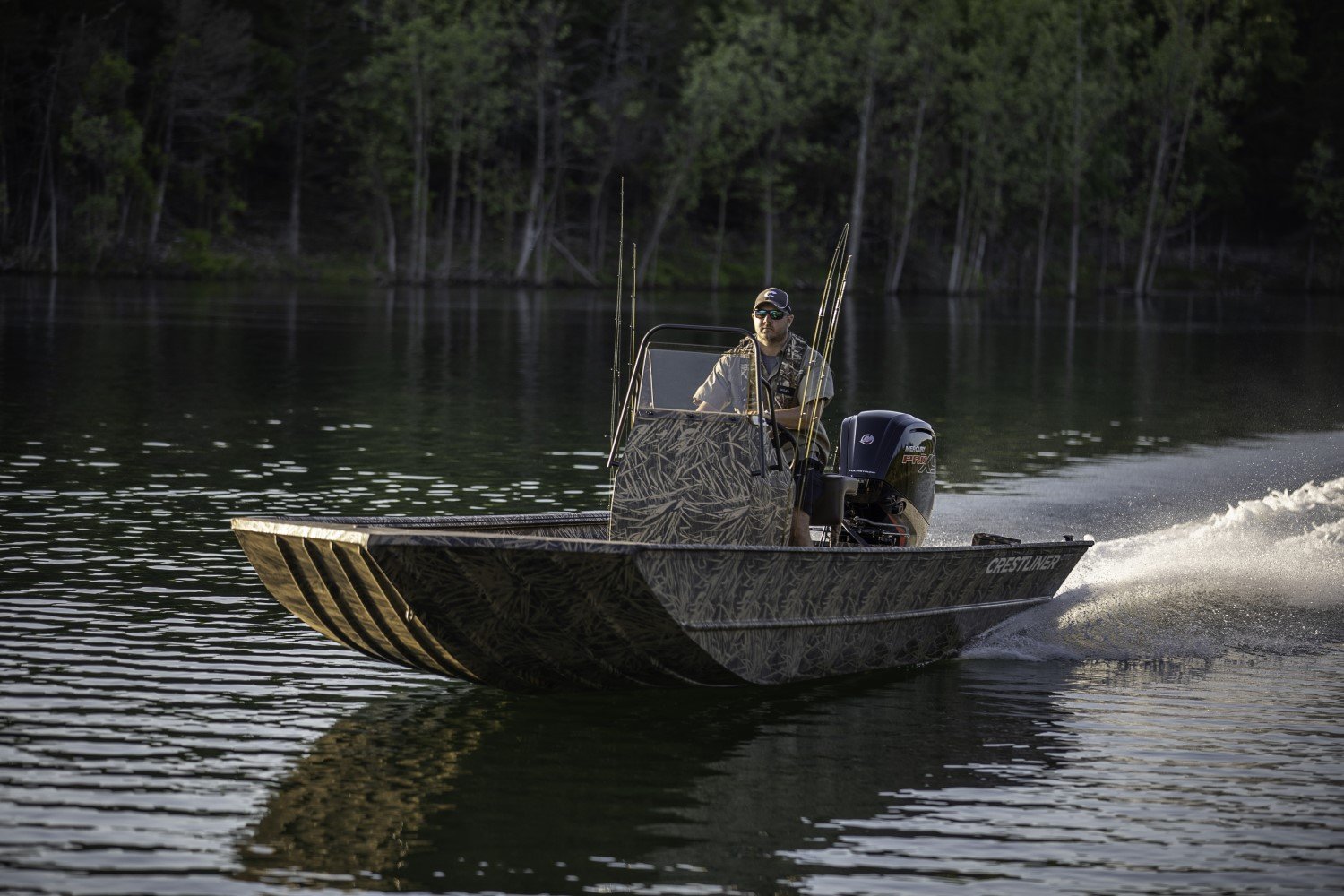
If you plan on bouncing through stumps, rocks, sandbars, or rough backcountry water, welded construction makes a lot of sense.
Riveted Boats
Riveted boats often ride softer and lighter.
That softer ride surprises people.
The hull flex can absorb chop differently than fully welded hulls, especially on certain lake systems.
Many legendary fishing boats were riveted aluminum boats. Plenty still are.
The internet loves turning this into a war. Realistically, hull design matters more than most people think.
How Big Should Your Aluminum Boat Be?
Bigger isn’t always better.
That’s another lesson many buyers learn the expensive way.
A giant boat sounds great until:
- You struggle at small ramps
- Storage becomes difficult
- Fuel costs spike
- Towing gets stressful
- Tight waterways become a problem
- Solo launching turns into a nightmare
The best boat size usually matches the type of water you fish most often.
14–16 Feet
Best for:
- Small lakes
- Rivers
- Farm ponds
- Electric-only lakes
- Simplicity
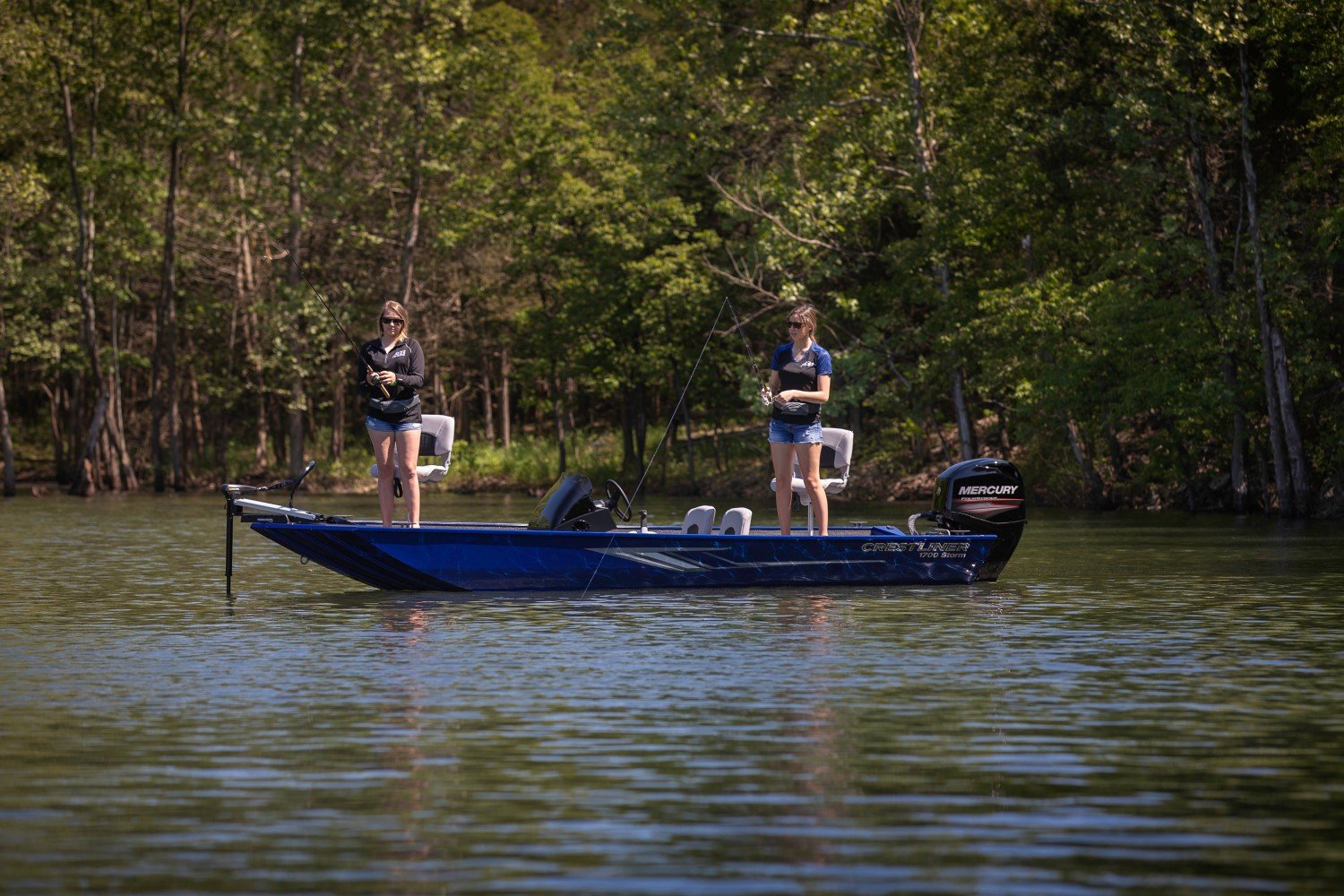
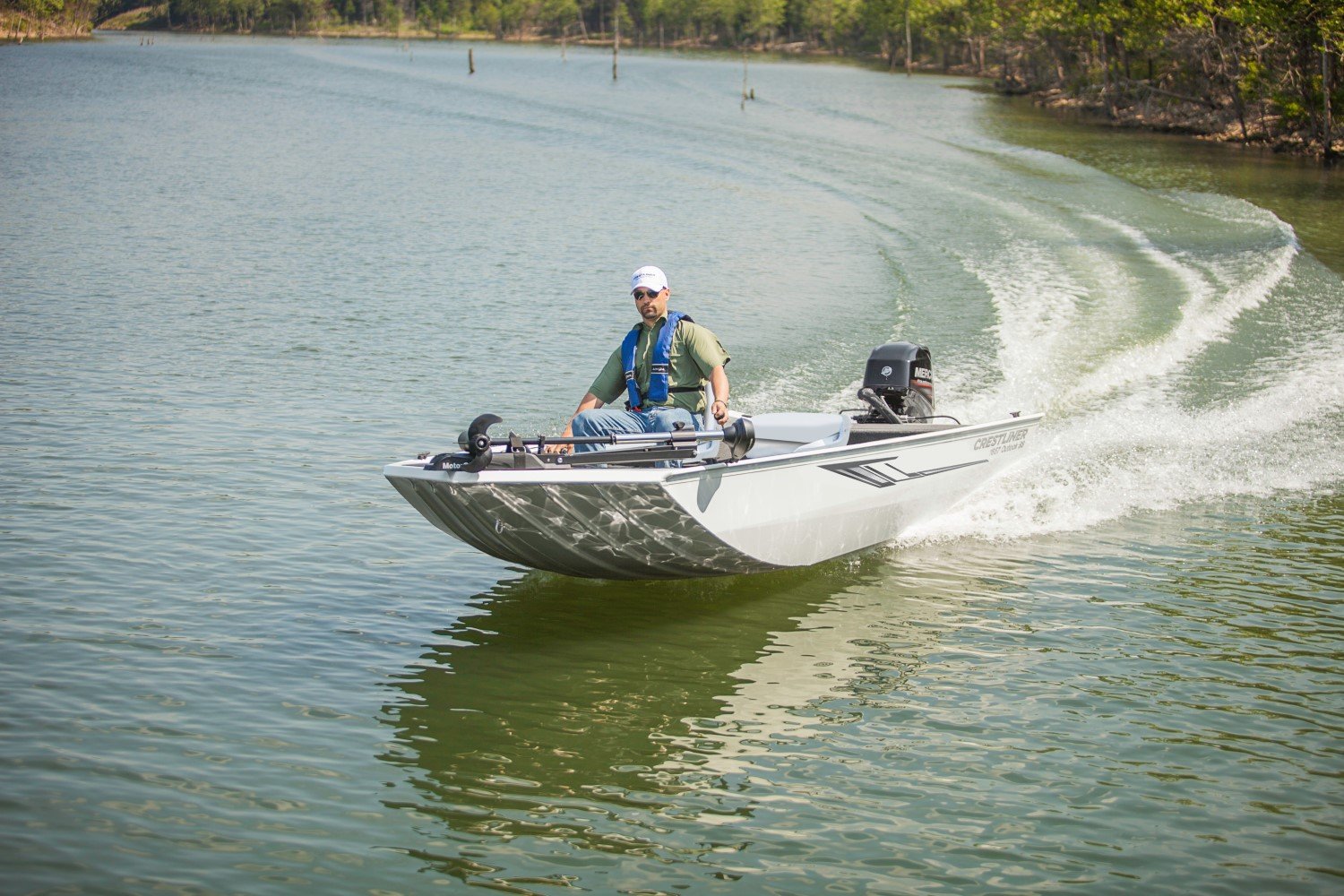
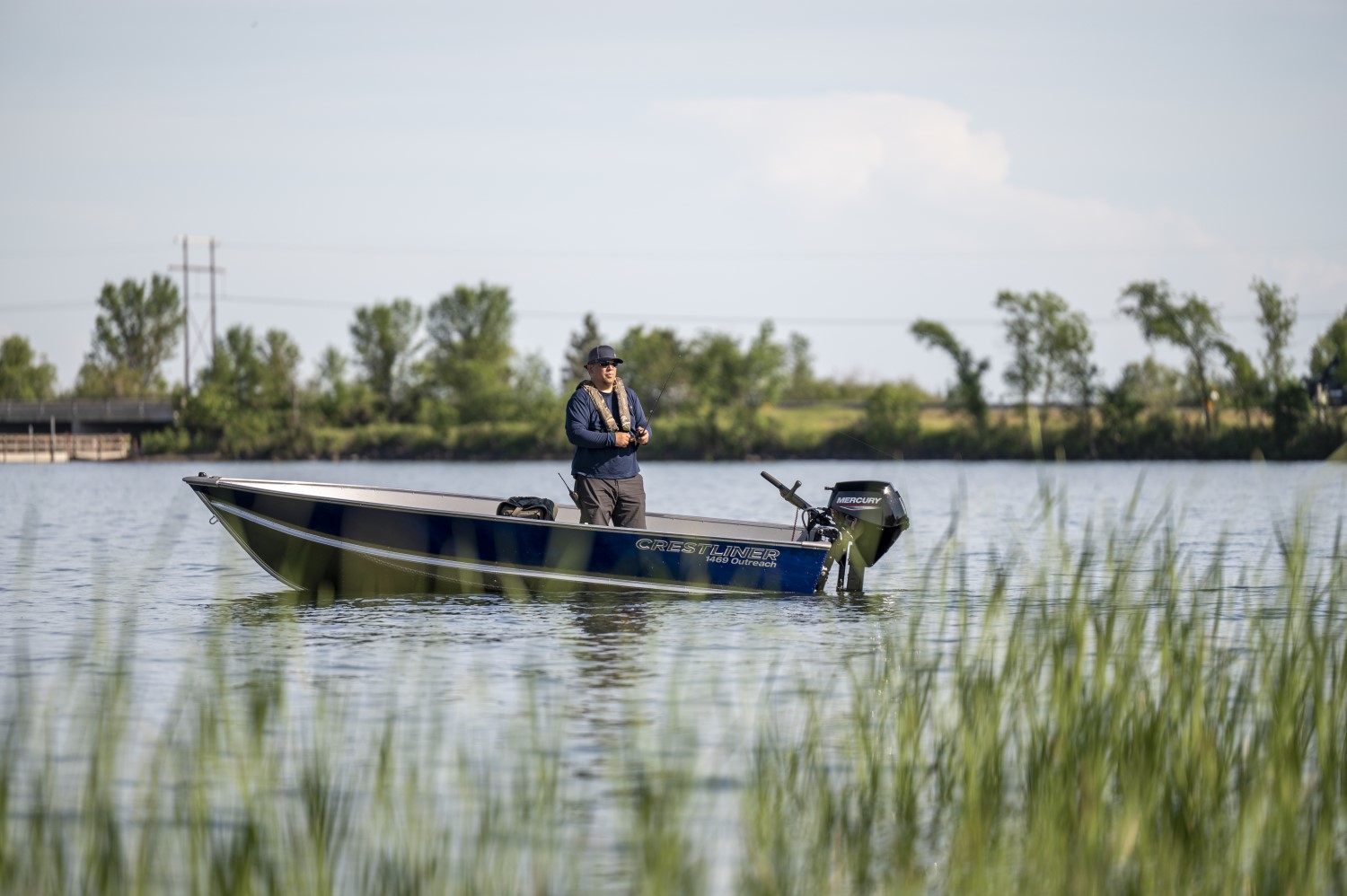
Easy to tow. Easy to store. Easy to launch. Compact boats like the Crestliner Storm Series or CR Jon models are great options if this is the size you're looking for and the body of water that you'll be fishing on.
17–19 Feet
The sweet spot for many anglers.
Large enough for serious fishing. Small enough to remain manageable.
This range handles:
- Bass fishing
- Multi-species fishing
- Weekend tournaments
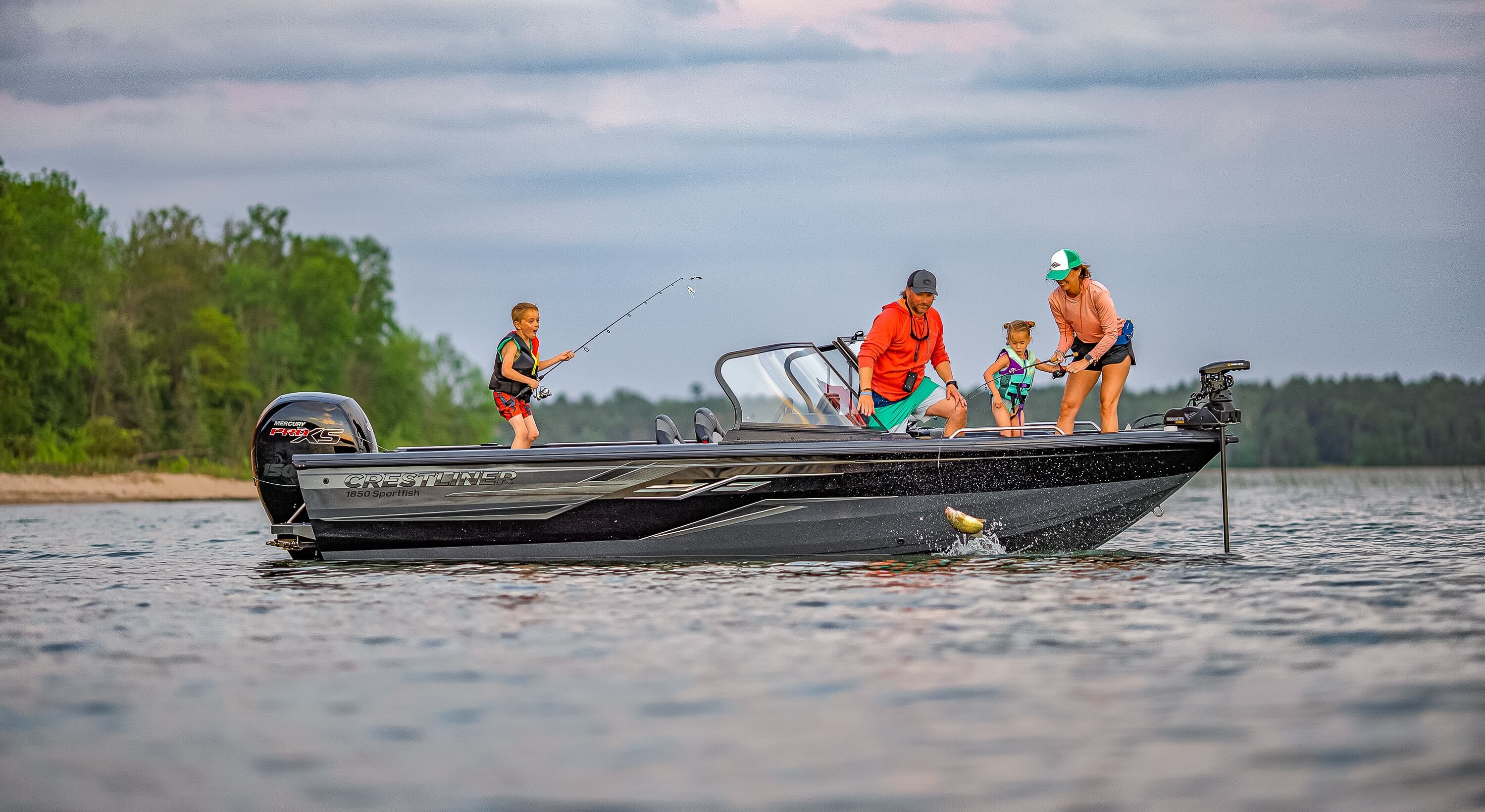
- Family use
- Moderate big-water conditions
Popular Crestliner boat options in this size range include the XF 189, Fish Hawk, and Kodiak Series.
20 Feet and Up
Now you’re entering serious water territory.
These boats shine on:
- Great Lakes systems
- Big reservoirs
- Open water
- Tournament circuits
- Long-distance runs
They offer more comfort and capability — but also more cost and complexity.
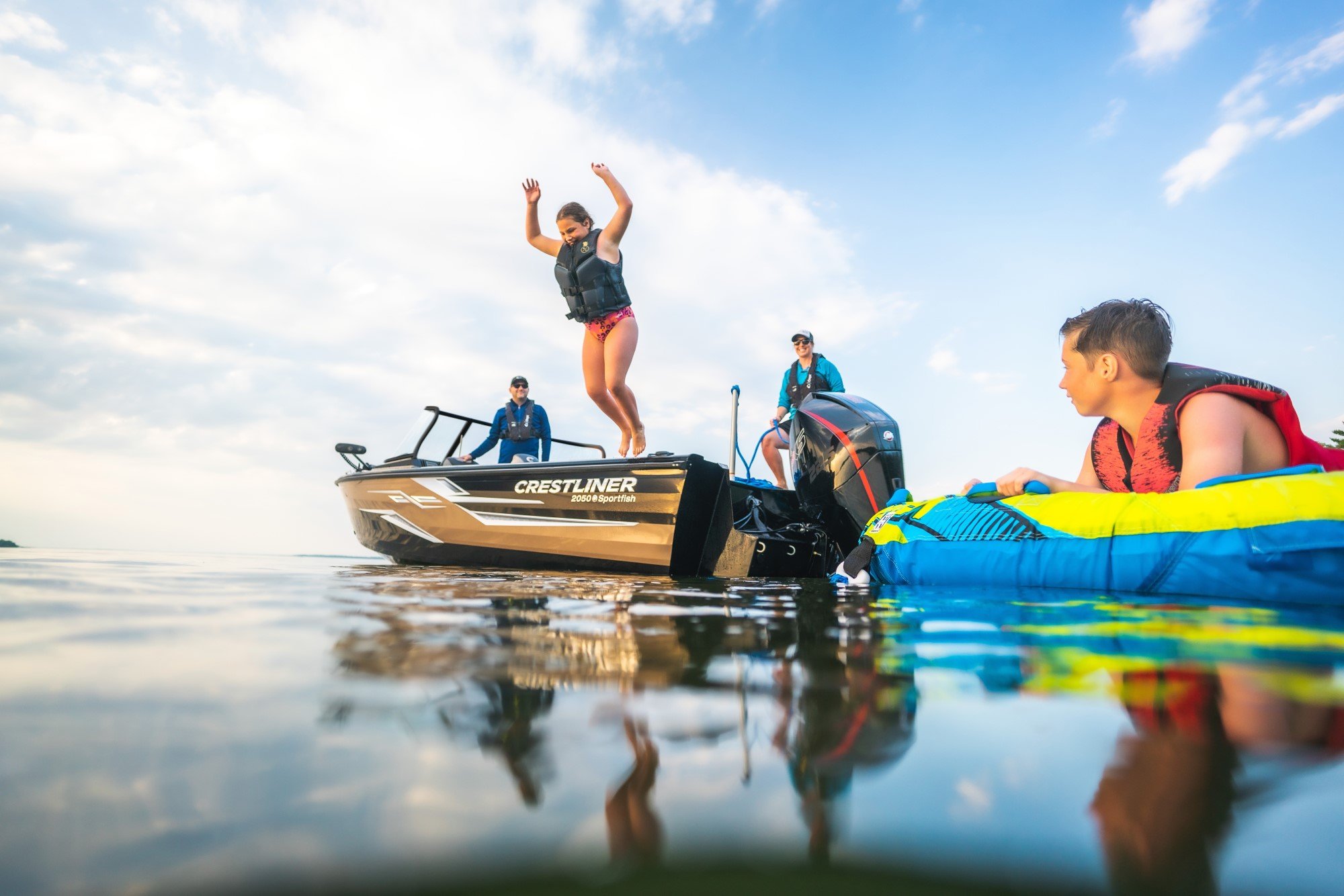
For anglers regularly facing heavy chop and rough conditions, boats like the 2050 Fish Hawk and 2250 Authority offer the kind of size and capability serious big-water fishermen prioritize.
What First-Time Buyers Often Overlook
Everybody looks at horsepower first.
Smart buyers look at everything else.
Trailer Quality Matters More Than People Think
A bad trailer can ruin boat ownership fast.
Pay attention to:
- Weld quality
- Bunk design
- Galvanized vs painted steel
- Bearing systems
- Swing tongues
- Trailer brakes
- Lighting
- Tire quality
The trailer is what gets you to the fish.
Storage Layout Changes Everything
Bad storage creates chaos.
And chaos spreads fast on a fishing boat.
Look closely at:
- Rod storage length
- Tackle organization
- Battery access
- Cooler placement
- Livewell access
- Dry storage
- Net storage
- Charger access
A smart layout saves time and frustration every single trip.
Don’t Underpower the Boat
This happens constantly.
People try saving money with smaller motors, then regret it later.
A properly powered aluminum boat:
- Planes easier
- Handles rough water better
- Carries weight more efficiently
- Performs better in current
- Stays more enjoyable long-term
Nobody complains their boat gets on plane too quickly.
Aluminum Boats and Maintenance
One reason aluminum boats stay popular for decades is simple: they don’t demand constant attention.
That doesn’t mean zero maintenance.
But compared to fiberglass ownership, aluminum is refreshingly low-drama.
You’ll still need to:
- Wash the boat
- Check wiring
- Maintain batteries
- Grease trailer bearings
- Inspect bunks and rollers
- Service the outboard
- Watch for corrosion in saltwater environments
But aluminum boats are forgiving.
They’re meant to be used.
And honestly, some of the best fishing boats on earth have a few dents in them.
New vs. Used Aluminum Boats
Used aluminum boats can be incredible values.
They can also become floating repair projects.
Look carefully for:
- Soft floors
- Corrosion
- Poor wiring jobs
- Cracked welds
- Rivet leaks
- Rotten transoms
- Bad trailer bearings
- Compression issues in the motor
The good news is aluminum boats often age better than people expect.
Especially well-built ones.
A properly maintained aluminum fishing boat can stay on the water for decades.
The Truth About Buying the “Perfect” Boat
Most experienced boat owners eventually realize something.
There’s no perfect boat.
There’s only the boat that fits your life right now.
The hardcore bass angler eventually wants more deck space.
The young family suddenly cares about seating.
The duck hunter starts prioritizing shallow draft.
The walleye fisherman decides rough-water ride quality matters more than top-end speed.
Needs change.
That’s normal.
The key is buying a boat that makes you want to use it.
Because the best fishing boat in the world is still worthless sitting in a driveway under a cover eleven months a year.
Ultimately
Aluminum boats have a reputation for practicality.
But the people who love them know it goes deeper than that.
These boats represent a certain kind of freedom.
Freedom to fish ugly water.
Freedom to launch at questionable ramps.
Freedom to explore backwater places.
Freedom to stop worrying about every little scratch.
And maybe that’s why aluminum boats keep surviving every industry trend thrown at them.
Because at the end of the day, serious outdoorsmen usually care more about where a boat can take them than how pretty it looks sitting still.