




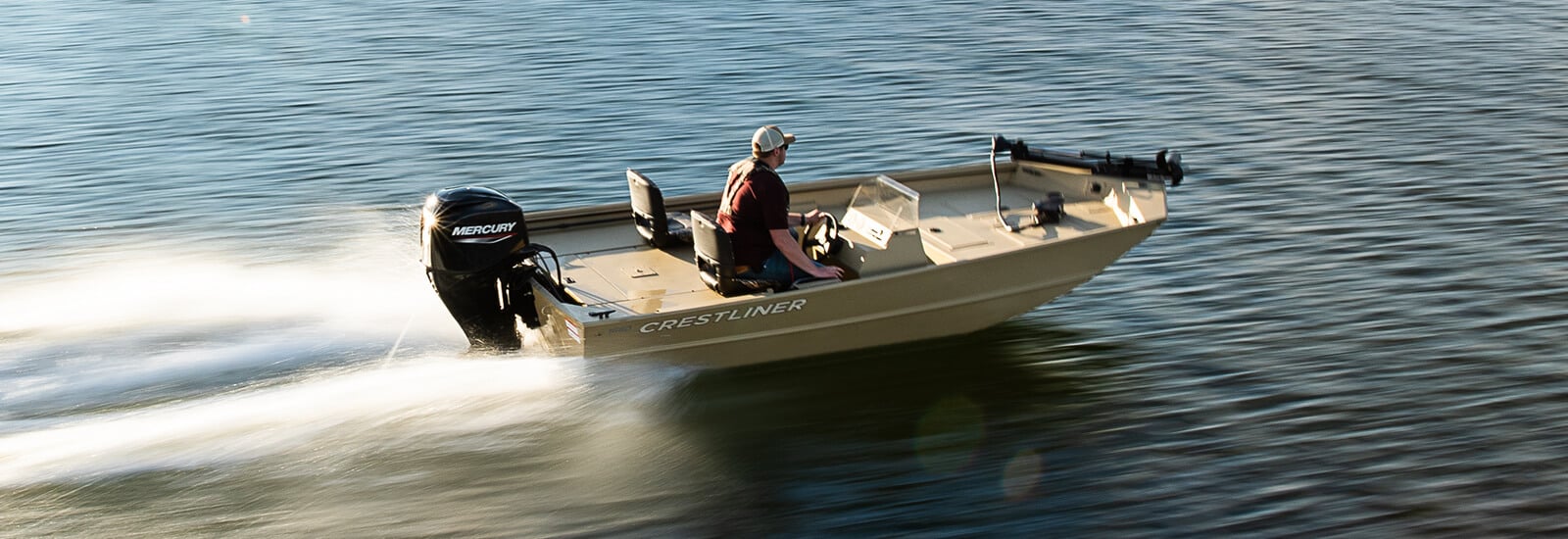
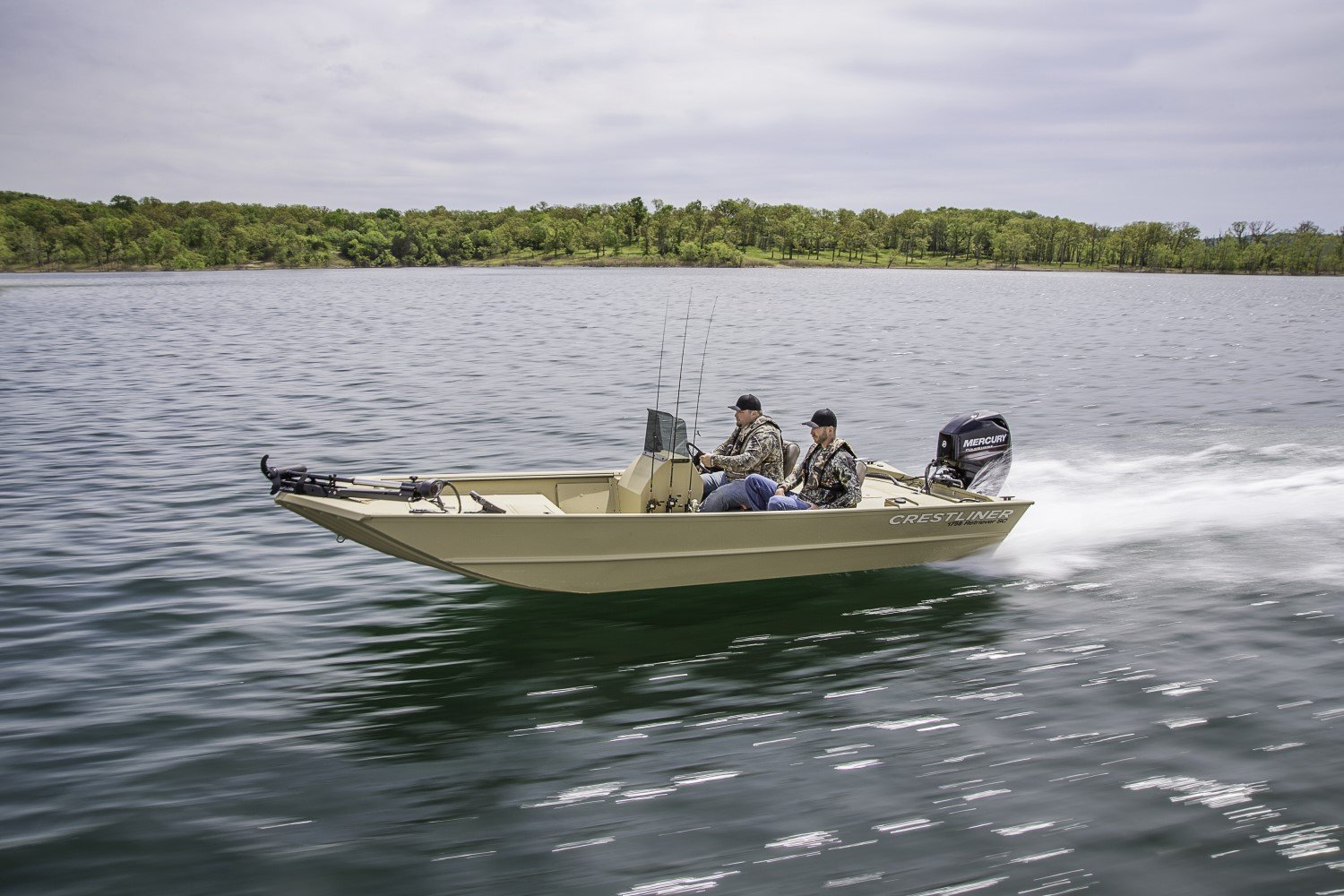
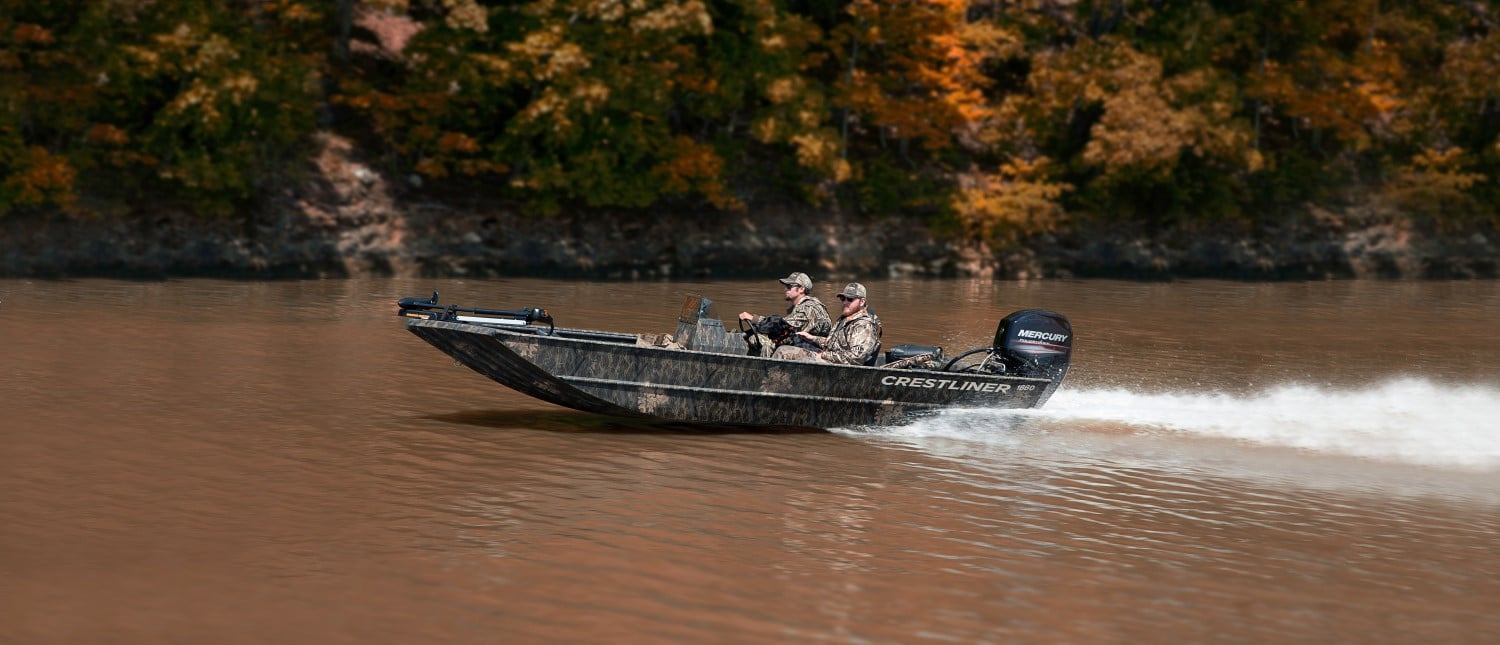
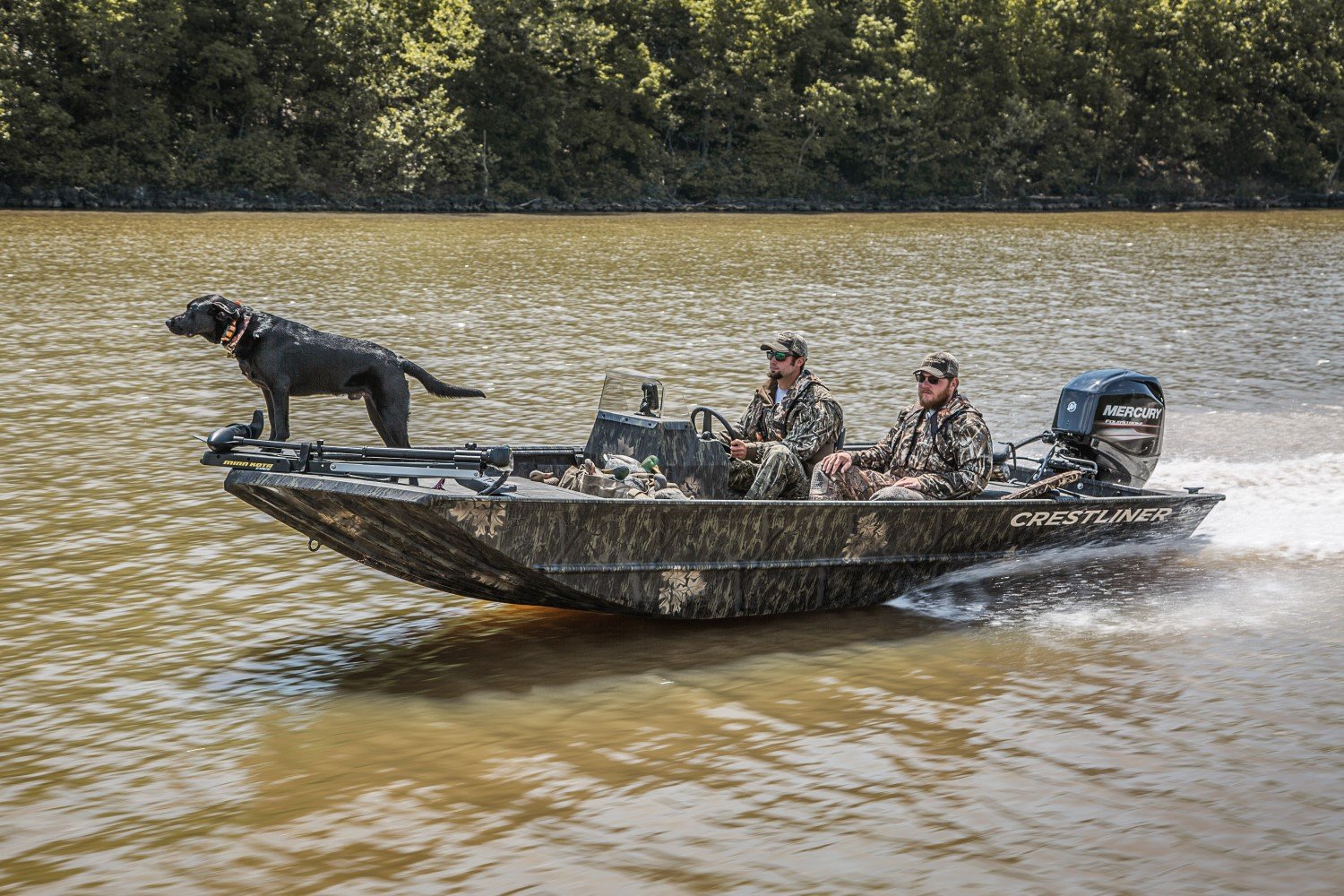


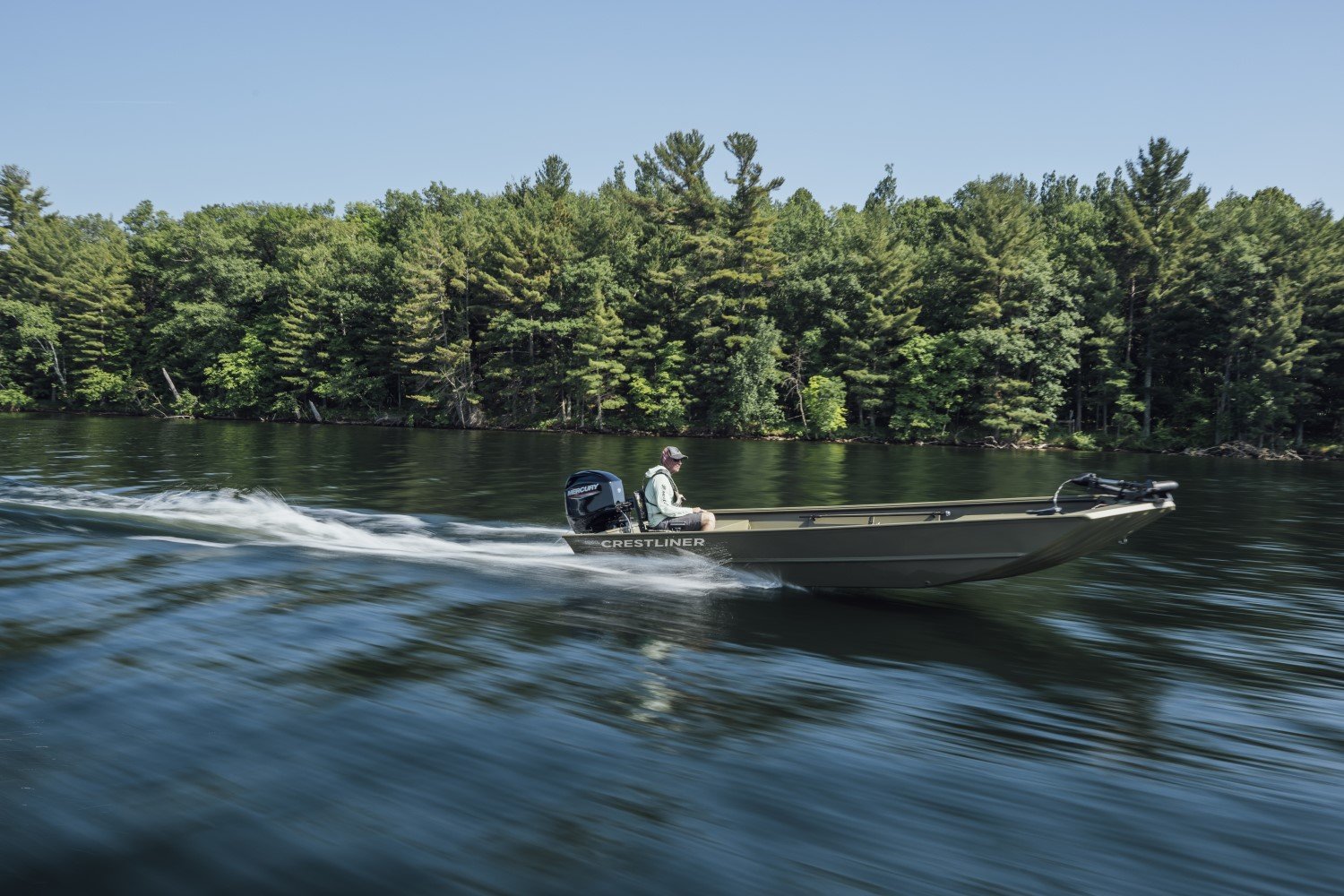
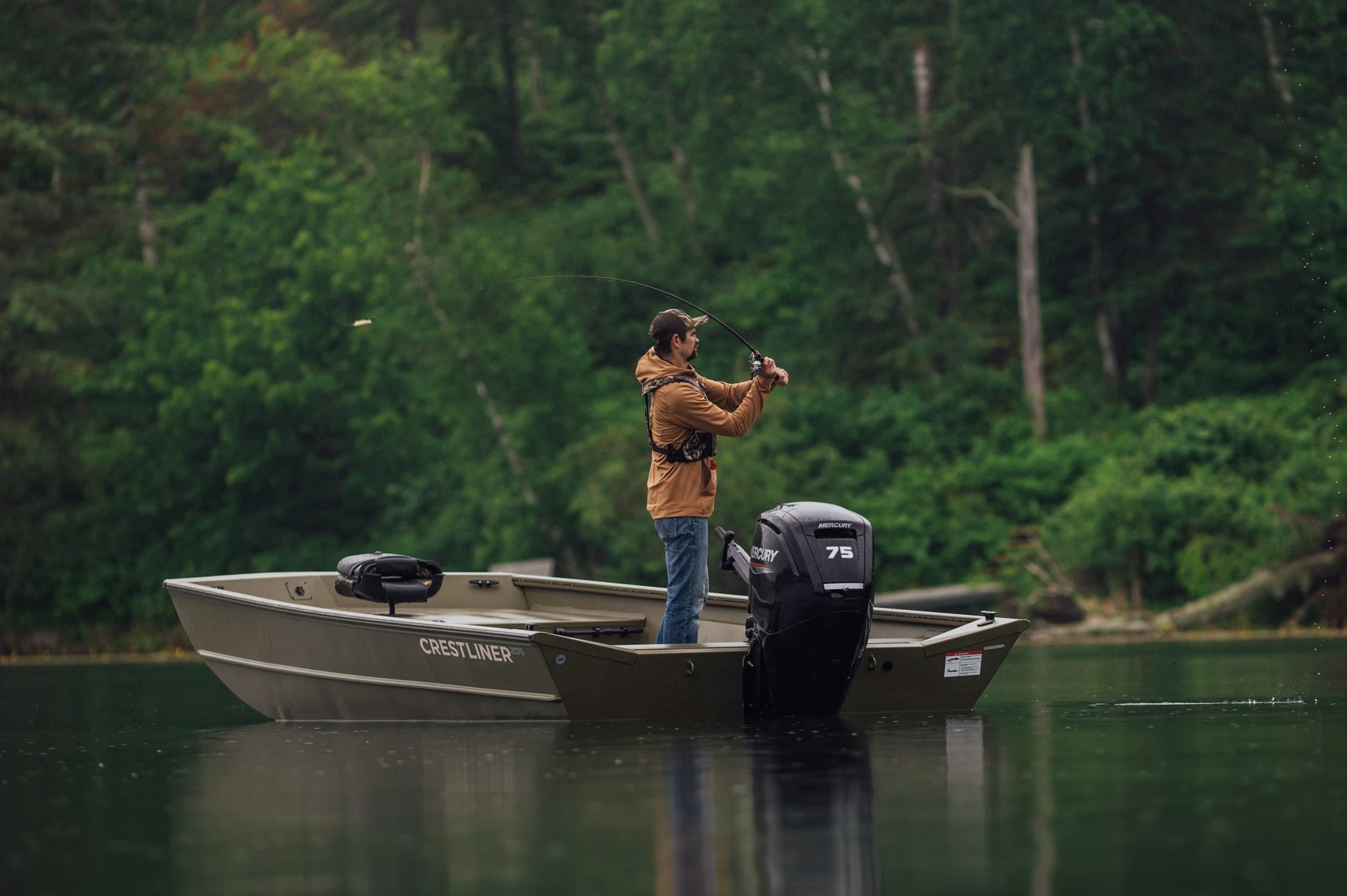
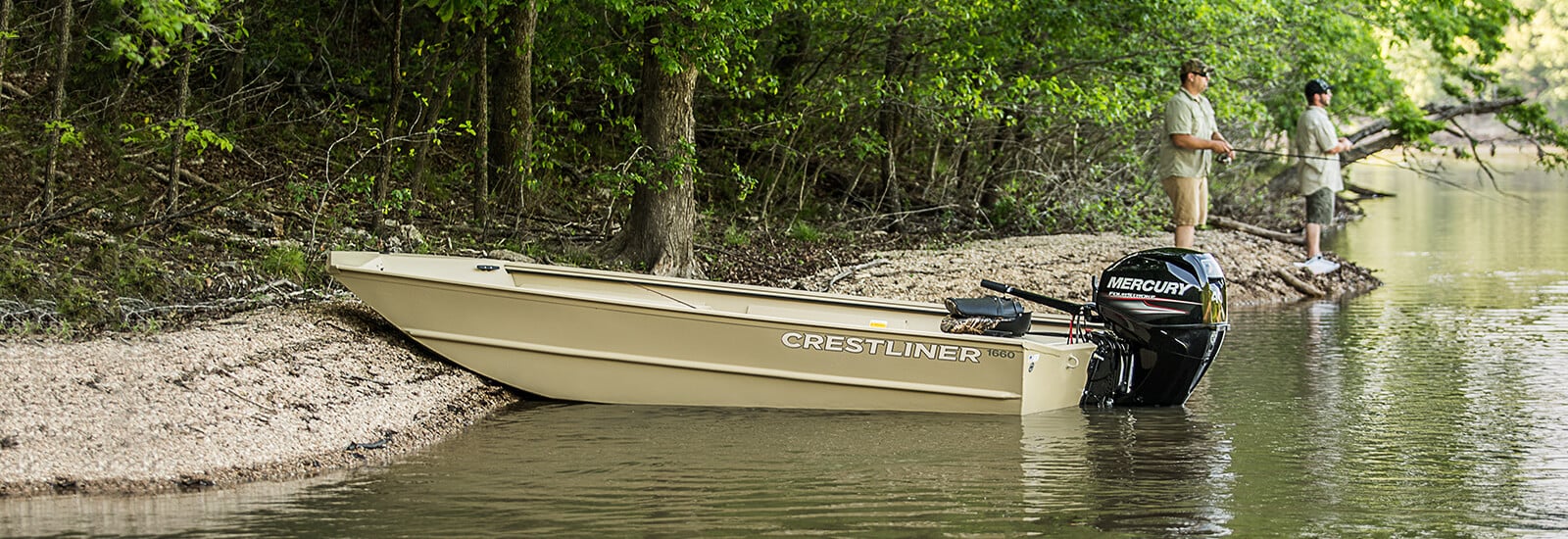
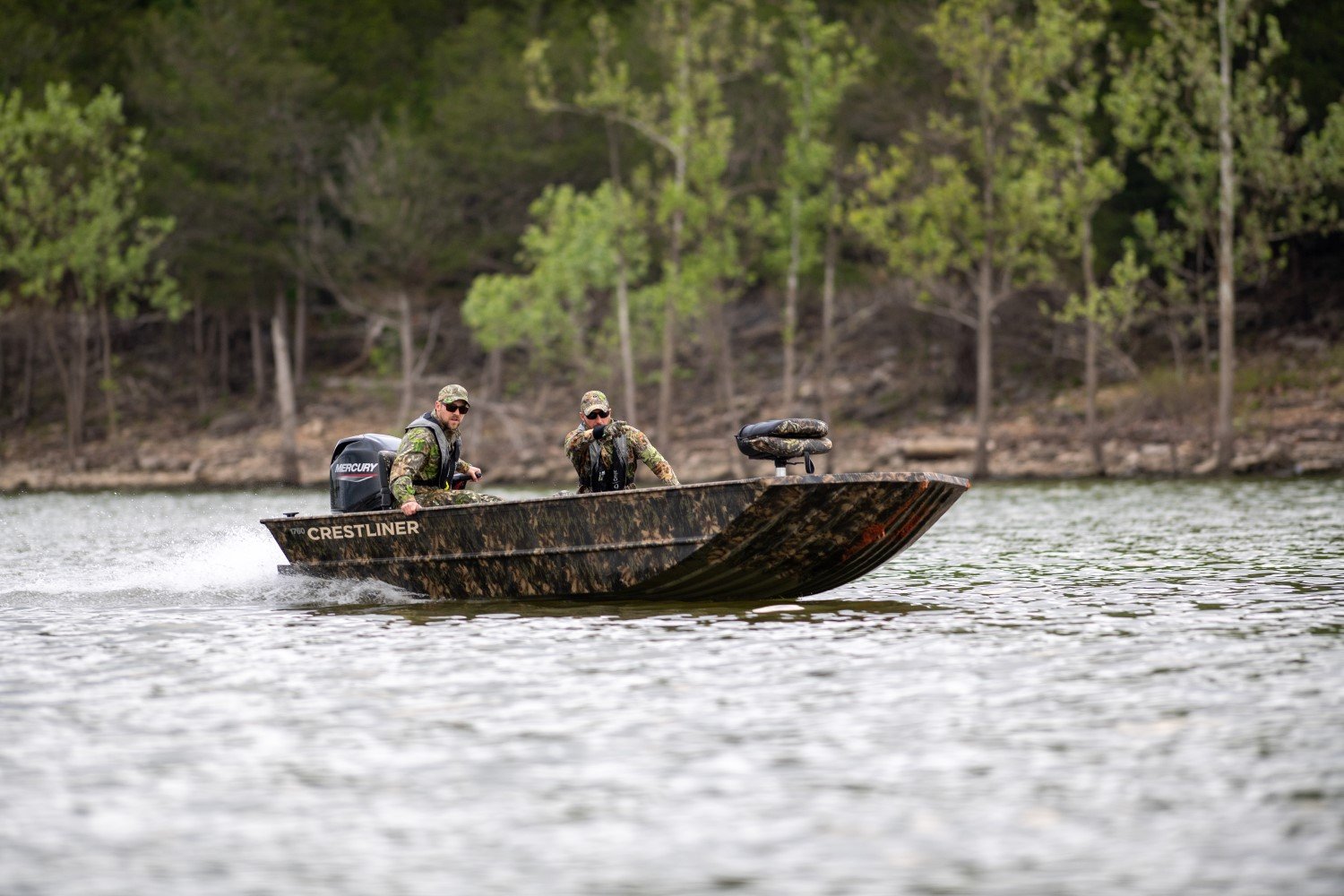
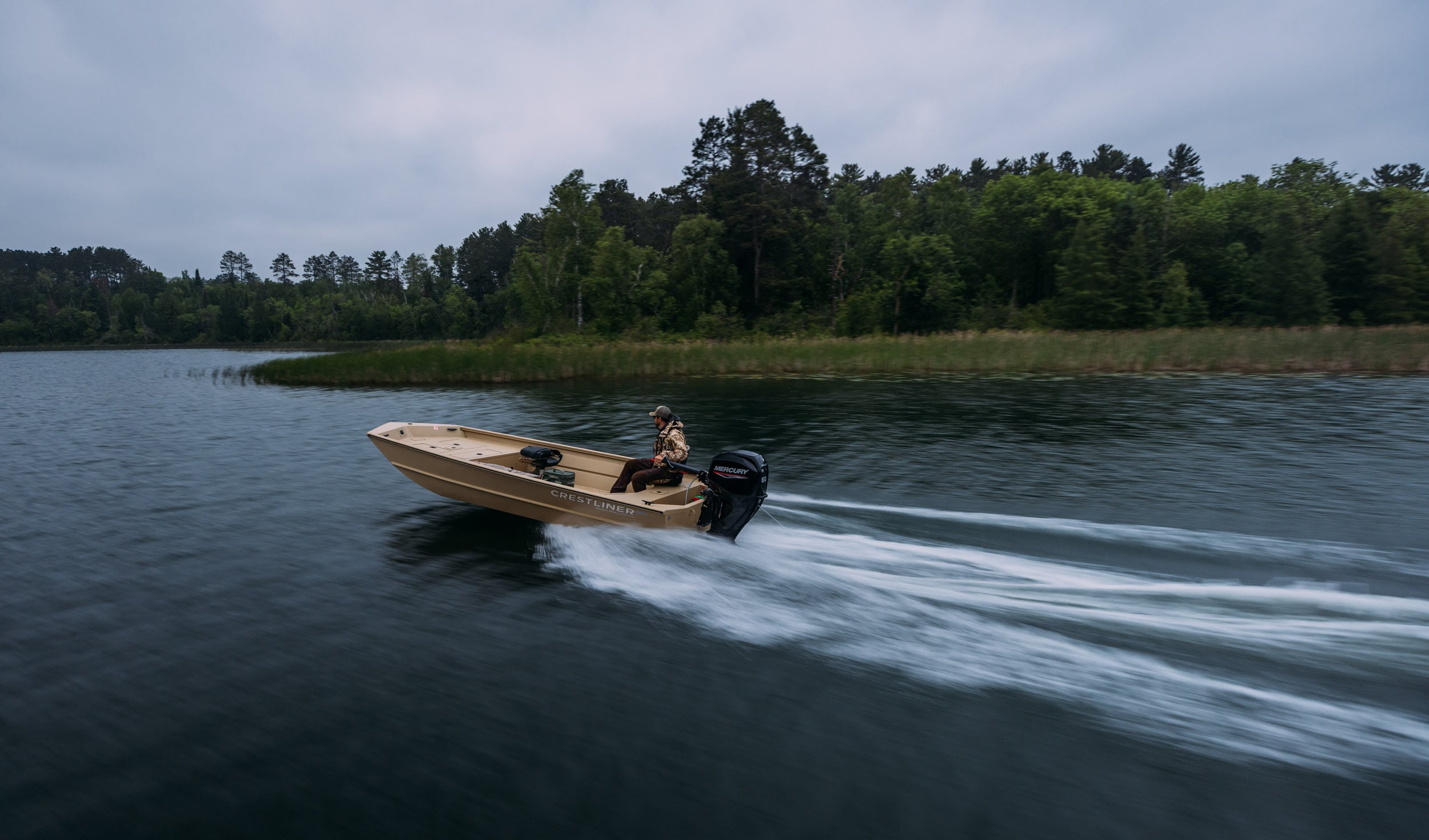





There’s a certain kind of lake serious anglers talk about differently.
Not loudly. Not online much. Usually at the ramp before sunrise or inside a bait shop where the coffee’s been sitting on the burner too long.
These aren’t the lakes built around jet skis, waterfront condos, and floating restaurants.
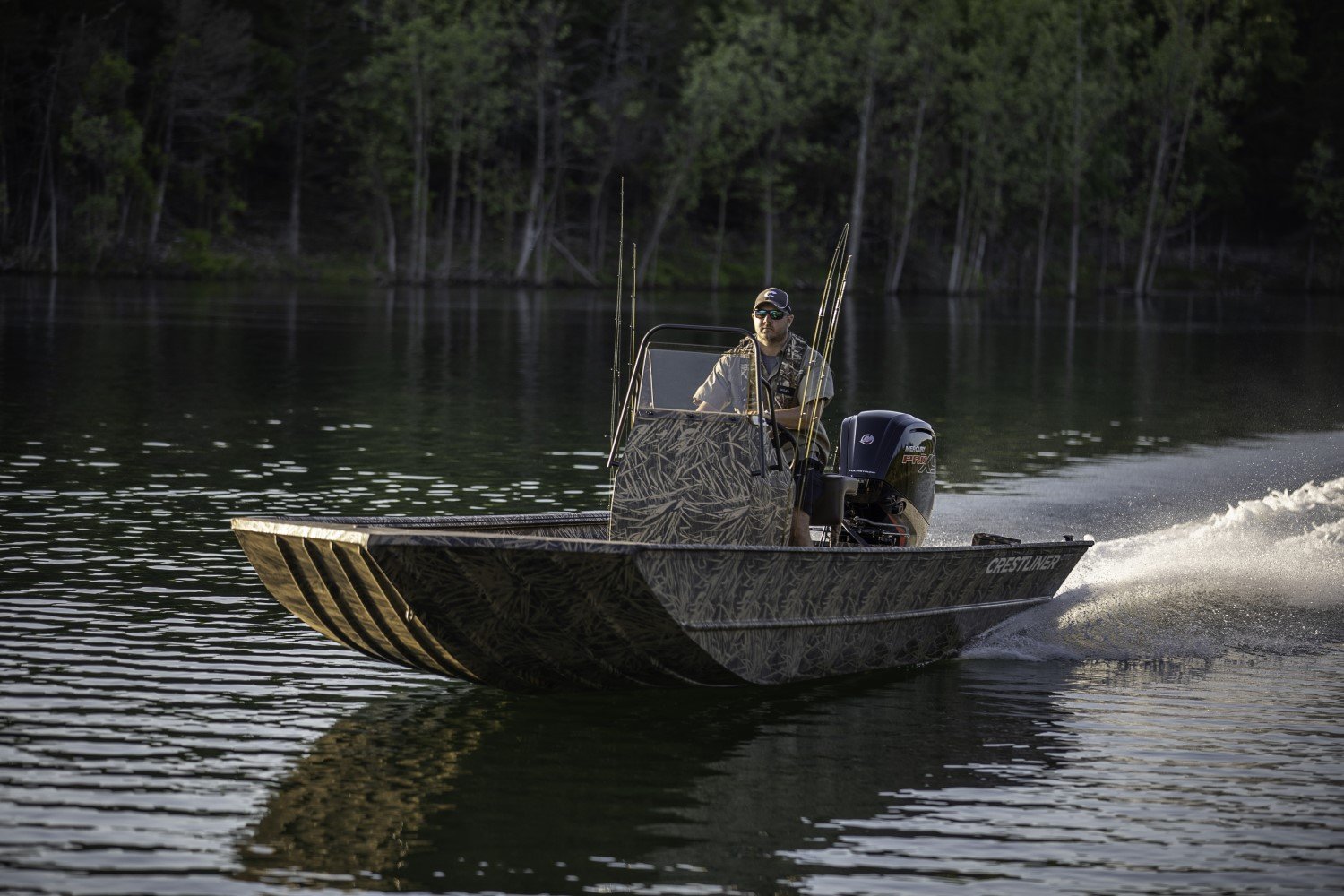
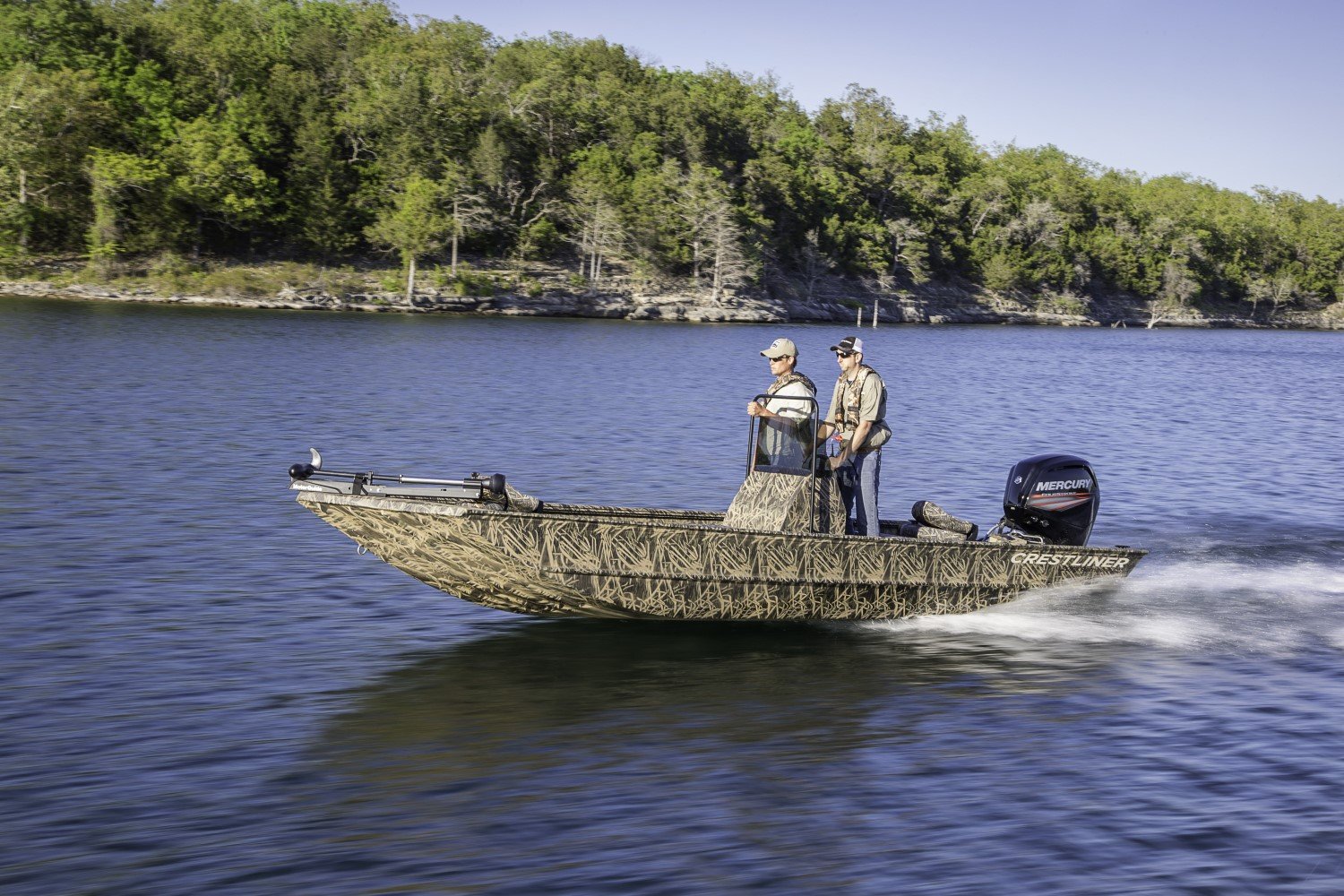
These are the places where somebody launches in a dented aluminum boat that’s older than your truck… and somehow knows exactly where the fish are going to slide when the wind changes.
The lakes below aren’t secrets exactly.
But they’re the kind of fisheries that separate casual fishing trips from the ones that stay stuck in your head for years.
1. Lake Gogebic — Big Water, Hard Weather, Serious Fish
Way up in Michigan’s Upper Peninsula sits a lake that doesn’t care whether you drove eight hours to get there.
Lake Gogebic fishes honest.
When the wind blows, it can get rough in a hurry. When conditions line up, though, this place turns into one of the more productive walleye and perch fisheries in the Midwest.
Hardcore anglers chase weed-edge walleyes here in late spring, then come back in September when jumbo perch start stacking up again. Smallmouth bass smash moving baits around rocky structure, and northern pike patrol cabbage lines like they own the lake.
Best Species to Target
- Walleye
- Smallmouth bass
- Yellow perch
- Northern pike
Best Times to Fish
- May–June: Prime walleye bite
- September: Excellent perch fishing
- Late spring through early fall: Overall peak season
Popular Access Points
- Bergland Bay Boat Launch
- Merriweather Landing
- Gogebic State Park access
- Small resort launches around the shoreline
Licensing Notes
A standard Michigan fishing license covers the lake. Most anglers stay entirely on the Michigan side, but conditions can change fast because Gogebic is shallow and exposed to wind.
2. Clear Lake — Where Giant Bass Still Live
Some lakes go through “good years.”
Clear Lake has been kicking out giant largemouth bass for decades.
That’s why serious bass anglers keep coming back.
The lake changes personality by the hour. One morning you’re quietly flipping tule edges in glass-calm water. By afternoon the wind’s blowing sideways and reaction baits suddenly become the deal.
The bass here eat aggressively, grow heavy, and punish mistakes.
Best Species to Target
- Largemouth bass
- Crappie
- Catfish
Best Times to Fish
- Spring pre-spawn: Trophy bass season
- Fall: Consistent big-fish patterns
Popular Access Points
- Redbud Park ramp
- Library Park launch
- Konocti Vista Casino Marina
- Clearlake Oaks public access
Licensing Notes
California freshwater fishing licenses are required. Depending on current lake conditions and local regulations, tournament anglers may also encounter invasive-species inspection requirements before launch.
3. Rainy Lake — Endless Water and Endless Possibilities
Rainy Lake feels less like one lake and more like an entire fishing world.
Thousands of islands. Hidden rock piles. Shorelines that all look fishy enough to stop and cast.
And most of them are.
Walleye fishing is outstanding, but the smallmouth fishing is what turns visiting anglers into repeat visitors. Big bronzebacks absolutely hammer topwater baits during midsummer.
Best Species to Target
- Walleye
- Smallmouth bass
- Northern pike
- Crappie
Best Times to Fish
June through September
Midsummer: Excellent topwater bass action
Popular Access Points
- Ranier public access
- International Falls launches
- Voyageurs National Park ramps
- Ontario fly-in and resort access points
Licensing Notes
This lake gets complicated fast.
Fishing the U.S. side requires a Minnesota license. Crossing into Canadian waters requires an Ontario fishing license plus compliance with border regulations. Experienced anglers rely heavily on GPS mapping because drifting across invisible water boundaries happens more than people think.
4. Toledo Bend Reservoir — A Bass Factory Hidden in Timber
Toledo Bend doesn’t always get the same spotlight as some Southern trophy lakes.
That’s fine with the locals.
This place is enormous, loaded with standing timber, creek channels, submerged structure, and enough fish-holding cover to keep sonar manufacturers in business forever.
There are stretches of Toledo Bend where you can disappear for hours without seeing another boat. That alone makes it special now.
Best Species to Target
- Largemouth bass
- Crappie
- Catfish
Best Times to Fish
- February–April: Trophy bass window
- Winter and spring: Prime crappie fishing
Popular Access Points
- Cypress Bend Park
- San Miguel Boat Launch
- Pendleton Bridge area
- Toledo Town launch
Licensing Notes
Because Toledo Bend sits directly on the Texas-Louisiana border, reciprocal fishing agreements often apply on shared reservoir waters. Tributaries and connected creeks can follow different regulations though, so checking current state rules matters before making long runs.
5. Lake Champlain — The Lake That Ruins Other Lakes
Lake Champlain has a bad habit of making every other lake feel average afterward.
One stretch fishes like a shallow grass-filled largemouth lake. Another feels like a northern smallmouth wilderness packed with rock piles and deep clear water.
That versatility is why tournament anglers love it.
You can flip grass for largemouths in the morning and spend the afternoon throwing walking baits at giant smallmouth bass over rocky shoals.
Best Species to Target
- Smallmouth bass
- Largemouth bass
- Northern pike
- Lake trout
Best Times to Fish
- Late spring through early fall
- June and September: Especially productive
Popular Access Points
- Plattsburgh Boat Basin
- Ticonderoga launch
- Burlington public ramps
- South Hero access points
Licensing Notes
Champlain spans New York and Vermont waters. Reciprocal agreements cover much of the lake, though tributaries and connected inland waters can follow separate rules. Tournament anglers pay close attention to those lines for good reason.
6. Pickwick Lake — Smallmouth Country
Some fisheries produce big fish.
Pickwick produces stories anglers talk about for years.
This Tennessee River fishery is famous for giant smallmouth bass that hit hard enough to make seasoned anglers nervous. Current flow changes everything here — bait movement, fish positioning, even which ledges matter from one day to the next.
Some anglers spend years learning Pickwick offshore structure.
And the lake still humbles them.
Best Species to Target
- Smallmouth bass
- Largemouth bass
- Catfish
- Sauger
Best Times to Fish
- Spring and fall: Strong bass fishing
- Winter: Giant smallmouth season
Popular Access Points
- Pickwick Landing State Park
- McFarland Park
- JP Coleman State Park
- Yellow Creek access
Licensing Notes
Pickwick crosses three states, and reciprocal agreements often apply on main-river waters. Tributaries and creeks can follow different rules, which is why many visiting anglers carry multiple licenses just to stay safe.
7. Lake Winnebago — A Grinder Lake for Walleye Anglers
Lake Winnebago isn’t polished.
That’s part of its identity.
This is the kind of lake where experienced anglers obsess over wind direction, mud-flat transitions, trolling passes, and migration routes most people never even notice.
When the walleye bite turns on here, things can go from dead quiet to complete chaos fast.
Then there’s the sturgeon culture.
That’s practically a religion in Wisconsin.
Best Species to Target
- Walleye
- Lake sturgeon
- Perch
- White bass
Best Times to Fish
- Spring and fall: Walleye fishing
- February: Sturgeon spear season
Popular Access Points
- Oshkosh boat landings
- Fond du Lac launches
- Menominee Park ramps
- Calumet County Park access
Licensing Notes
Wisconsin fishing licenses are required, but sturgeon regulations get much more specific. Harvest tags, spear-season rules, and seasonal restrictions all matter here, and serious sturgeon anglers study them months ahead of time.
8. Santee Cooper — Southern Fishing at Its Best
Old cypress trees. Muddy backwaters. Giant catfish rolling at night.
Santee Cooper feels like classic Southern fishing culture that somehow survived untouched.
The blue catfish here get absurdly big. The kind of fish that make people rethink their tackle choices halfway through the fight.
Bass anglers do just fine here too, especially around grass lines, flooded timber, and shallow cover.
Best Species to Target
- Blue catfish
- Largemouth bass
- Crappie
- Striped bass
Best Times to Fish
- Winter: Giant blue catfish
- Spring and fall: Bass and crappie
Popular Access Points
- John C. Land Landing
- Canal Lakes access
- Bell’s Marina
- Pack’s Landing
Licensing Notes
A South Carolina freshwater license is required. Anglers fishing around the Diversion Canal and connected waterways should pay attention to boating traffic and changing current conditions, especially after dark during catfish season.
9. Lake St. Clair — Smallmouth Bass with an Attitude Problem
Lake St. Clair is shallow, wide-open, and loaded with aggressive fish.
Hardcore smallmouth anglers treat it like sacred ground.
On the right day, giant bronzebacks crush jerkbaits, tubes, swimbaits, and topwaters across seemingly featureless flats that somehow hold unbelievable numbers of fish.
The muskie fishing is world-class too.
Best Species to Target
- Smallmouth bass
- Muskie
- Perch
- Walleye
Best Times to Fish
- Summer and early fall: Smallmouth bass
- Fall: Muskie season
Popular Access Points
- Harley Ensign Memorial launch
- Metro Beach Metropark
- Selfridge access areas
- Belle River Marina on the Ontario side
Licensing Notes
Michigan licenses cover U.S. waters while Ontario licenses cover Canadian waters. Border-crossing and customs rules can apply depending on where anglers stop or fish, so many boaters intentionally stay on one side to keep things simple.
10. Kentucky Lake — A Thinking Angler’s Lake
Kentucky Lake rewards people who pay attention.
Current seams. Offshore ledges. Depth changes. Seasonal fish movement.
This is not the kind of place where anglers randomly idle around and stumble into success very often.
Ledge fishing became legendary here because schools of bass can stack up hard on underwater drops and shell beds when conditions line up.
Crappie anglers quietly love this lake too.
Best Species to Target
- Largemouth bass
- Smallmouth bass
- Crappie
- Catfish
Best Times to Fish
- Late spring through fall: Bass fishing
- Spring and winter: Crappie season
Popular Access Points
- Kentucky Dam Marina
- Paris Landing State Park
- Kenlake State Resort ramps
- Moors Resort access
Licensing Notes
Kentucky and Tennessee maintain reciprocal agreements on many sections of the lake, but not every creek arm or tributary follows the same rules. Anglers covering lots of water need to know exactly where those boundaries shift.
Bonus Lake: Togiak National Wildlife Refuge — The Last Frontier for Hardcore Anglers
Some fisheries feel remote.
The Togiak region feels untamed.
Out in southwest Alaska, the waters surrounding Togiak National Wildlife Refuge offer the kind of fishing trips serious anglers spend years thinking about. No crowded ramps. No marina traffic. Some areas are accessible by boat, but in many places, the only way in is by bush plane.
That alone tells you what kind of country this is.
The landscape is massive, raw, and unforgiving in the best possible way. Rivers twist through untouched wilderness. Cold, clear lakes stretch for miles without a cabin or dock in sight. Weather changes fast, and once you’re out there, you’re truly out there.
Which is exactly why hardcore anglers love it.
Northern pike grow big and violent in these waters. Rainbow trout crush streamers and topwater presentations aggressively. Seasonal salmon runs turn entire river systems into feeding zones where every cast feels like it could go sideways in a hurry.
This isn’t casual fishing.
It’s frontier fishing.
Best Species to Target
- Northern pike
- Rainbow trout
- Salmon species during seasonal runs
Best Times to Fish
- June through early September
- Mid-to-late summer: Prime salmon action
- Early summer: Excellent trout and pike fishing
Popular Access Points
- Primarily accessed by bush plane
- Remote fly-in lodges and outfitter camps
- Village access near Togiak and surrounding river systems
Licensing Notes
A valid Alaska sport fishing license is required, along with salmon stamps where applicable. Regulations can vary by river system, species, and seasonal run timing, so experienced anglers pay close attention to current Alaska Department of Fish and Game rules before heading into remote water.
And honestly, that’s what separates places like Togiak from ordinary fishing destinations.
You don’t just stumble into water like this.
You plan for it. Earn it. Then spend the next five years talking about the fish that got away there.
Why Hardcore Anglers Keep Coming Back to Lakes Like These
The truth is, “secret” fishing lakes usually aren’t completely secret.
The hardcore anglers know where they are.
What separates these places is that they demand something from you.
Long runs in rough weather. Early alarms. Map study. Missed fish. Broken props. Entire stretches of empty water before things finally come together.
But when the wind settles down, your electronics suddenly light up, and the rod folds over in the middle of nowhere…
Those are the lakes anglers think about all winter long.
For more great fishing spots, read about top lakes in the Midwest by Crestliner pro angler, Jason Mitchell.