


















A lot of anglers obsess over rods and lures first.
Meanwhile, the real backbone of the boat is sitting underneath the compartments where nobody sees it — batteries, wiring, chargers, pumps, transducers, and rigging systems that either work flawlessly or ruin your day at the worst possible moment.
Anybody who’s spent enough time on the water has a story about electrical problems showing up twenty miles from the launch.
- Graphs shutting off.
- Dead trolling motor batteries.
- Bilge pumps not kicking on.
- Loose wiring bouncing around in rough water.
That’s why smart rigging matters. Not because it looks clean at the boat ramp, but because reliability becomes everything once conditions turn ugly.
Electrical Rigging Is What Keeps the Entire Boat Alive
Modern fishing boats pull a lot more power than they used to.
Between forward-facing sonar, multiple graphs, livewell systems, shallow-water anchors, lighting, and GPS trolling motors, today’s rigs depend heavily on a properly designed electrical system.
Most serious multi-species rigs now separate power into dedicated battery banks:
- Cranking batteries for starting electronics and outboards
- Dedicated trolling motor batteries
- Auxiliary electronics batteries for sonar-heavy setups
- Lithium battery systems for reduced weight and longer run times
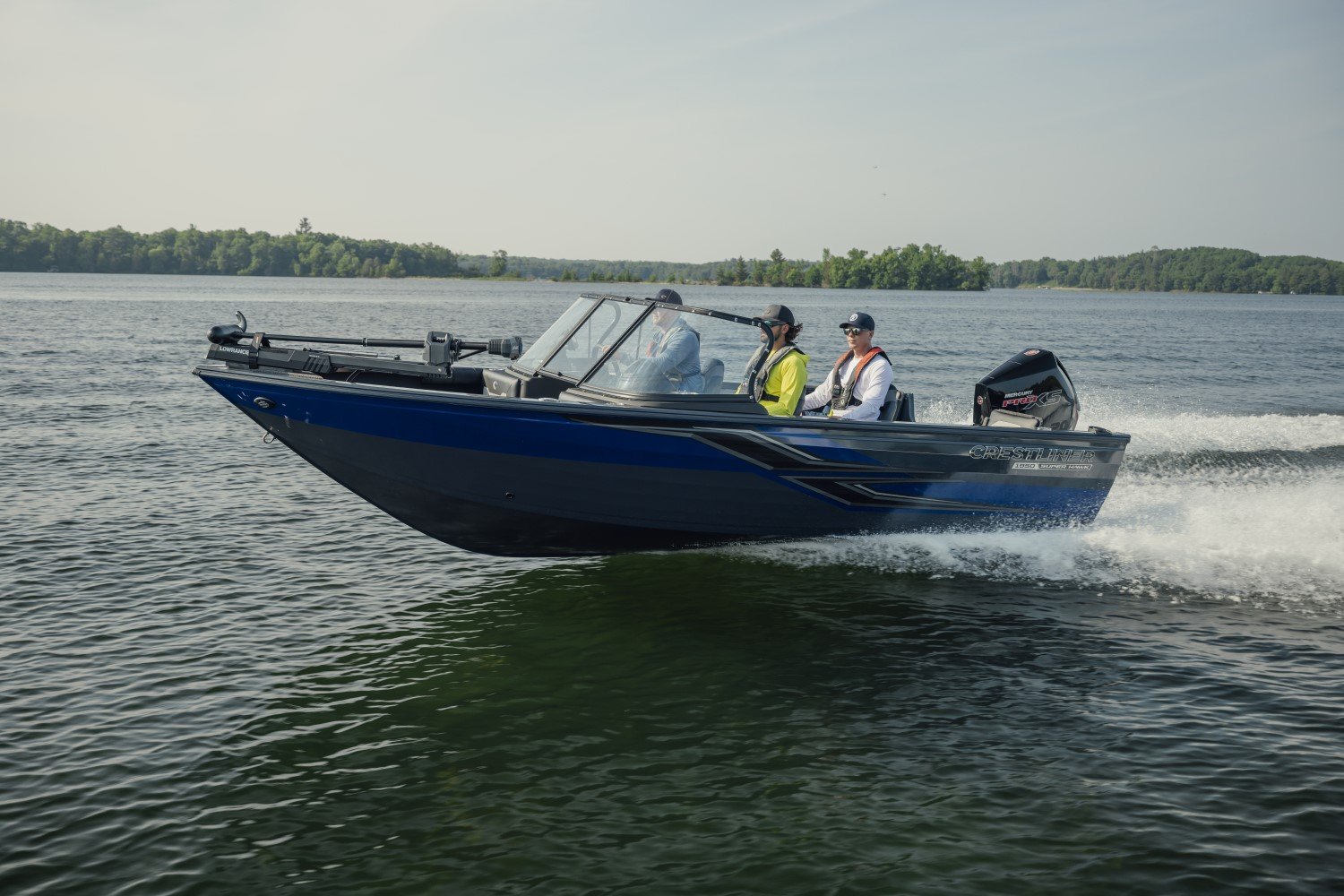
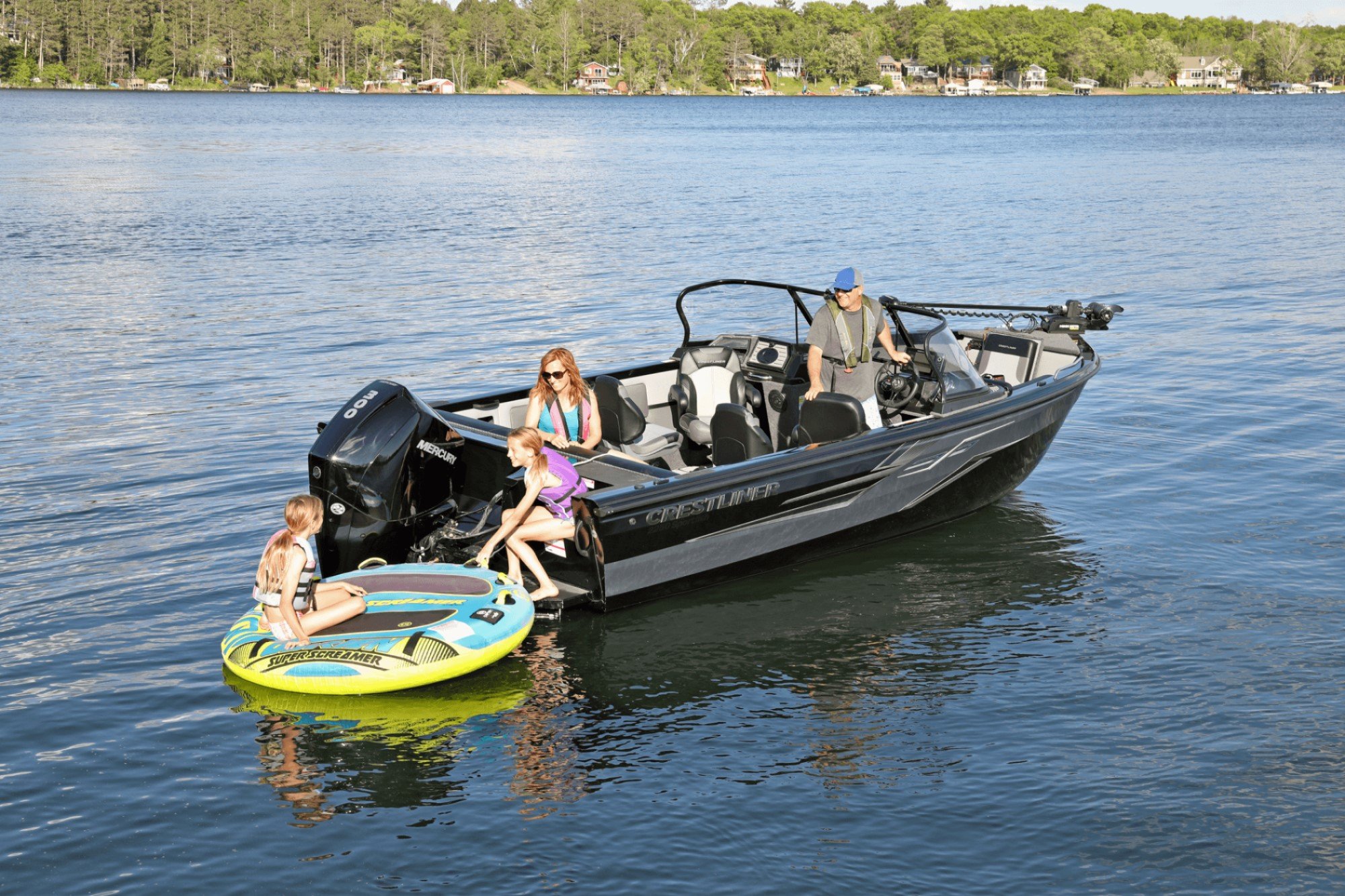
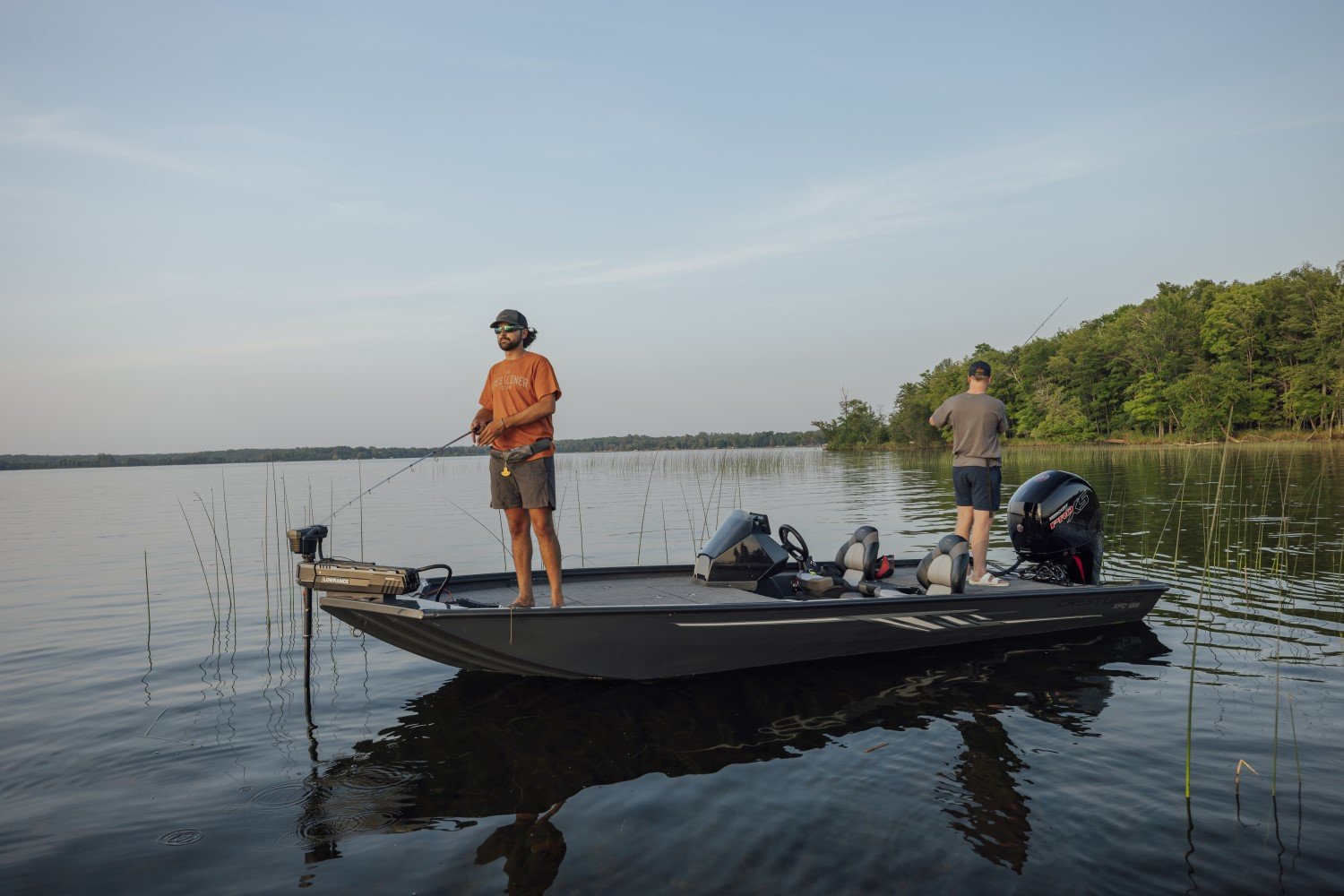
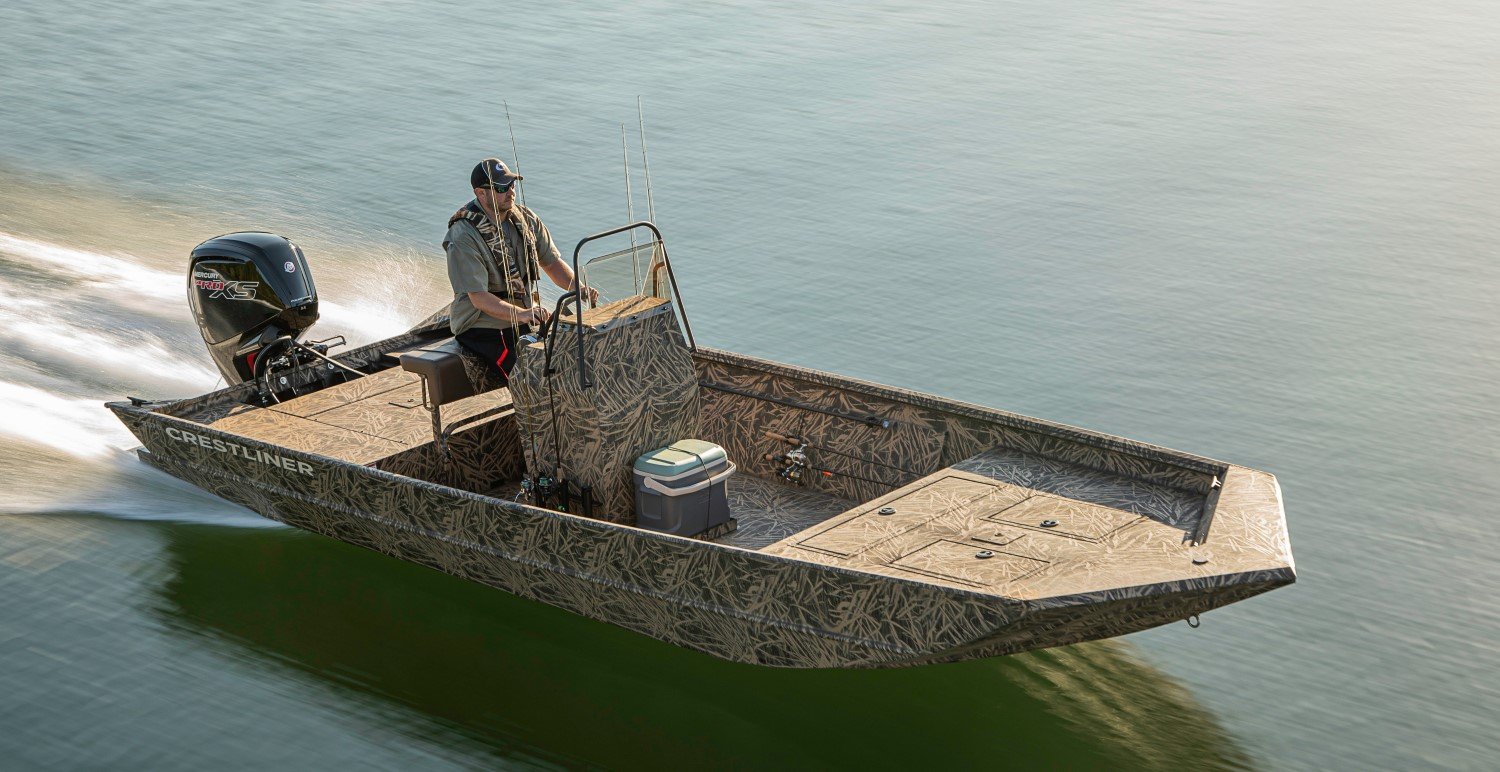
That’s become especially common on boats like the Crestliner 2050 Fish Hawk, where anglers often run multiple large sonar screens alongside high-thrust trolling motors all day long.
And wiring matters more than most people realize.
Undersized wire creates voltage drop. Voltage drop creates electronics issues. That’s usually when graphs start rebooting every time somebody hits the trolling motor pedal in rough water.
Most experienced riggers oversize wiring intentionally:
- Marine-grade tinned copper wire
- Heat-shrink waterproof connectors
- Heavy-gauge wiring for electronics runs
- Dedicated fuse panels and breaker protection
- Clean wire routing away from bilge moisture and interference points
Because once wiring problems start, they rarely happen at convenient times.
Onboard Charging Systems Save Headaches
At the end of a long fishing day, nobody wants to spend hours messing with portable chargers and battery leads.
That’s why onboard charging systems became almost mandatory on serious rigs.
Most setups now include:
- Multi-bank smart chargers
- Lithium-compatible charging systems
- Battery monitoring gauges
- Integrated charging ports near battery compartments
The anglers who fish multiple days in a row know dead batteries can ruin an entire trip faster than bad weather.
Electronics Setup Matters Just as Much as Electronics Themselves
A $4,000 sonar setup mounted poorly still performs badly.
That’s the part many newer anglers overlook.
Transducer placement changes everything.
Mount one too high and you lose bottom readings at speed.
Mount it too low and it creates spray, drag, or turbulence.
Mount it near interference points and your screen turns into static every time the trolling motor runs.
Experienced anglers spend a lot of time dialing this stuff in because clean sonar readings matter when you’re trying to stay on a rock edge in thirty feet of water.
Most big-water rigs today include:
- Stern-mounted high-speed transducers
- Bow-mounted transducers tied directly to trolling motors
- Networked sonar systems between console and bow
- Dedicated mapping screens
- Ethernet networking for waypoint sharing and sonar syncing
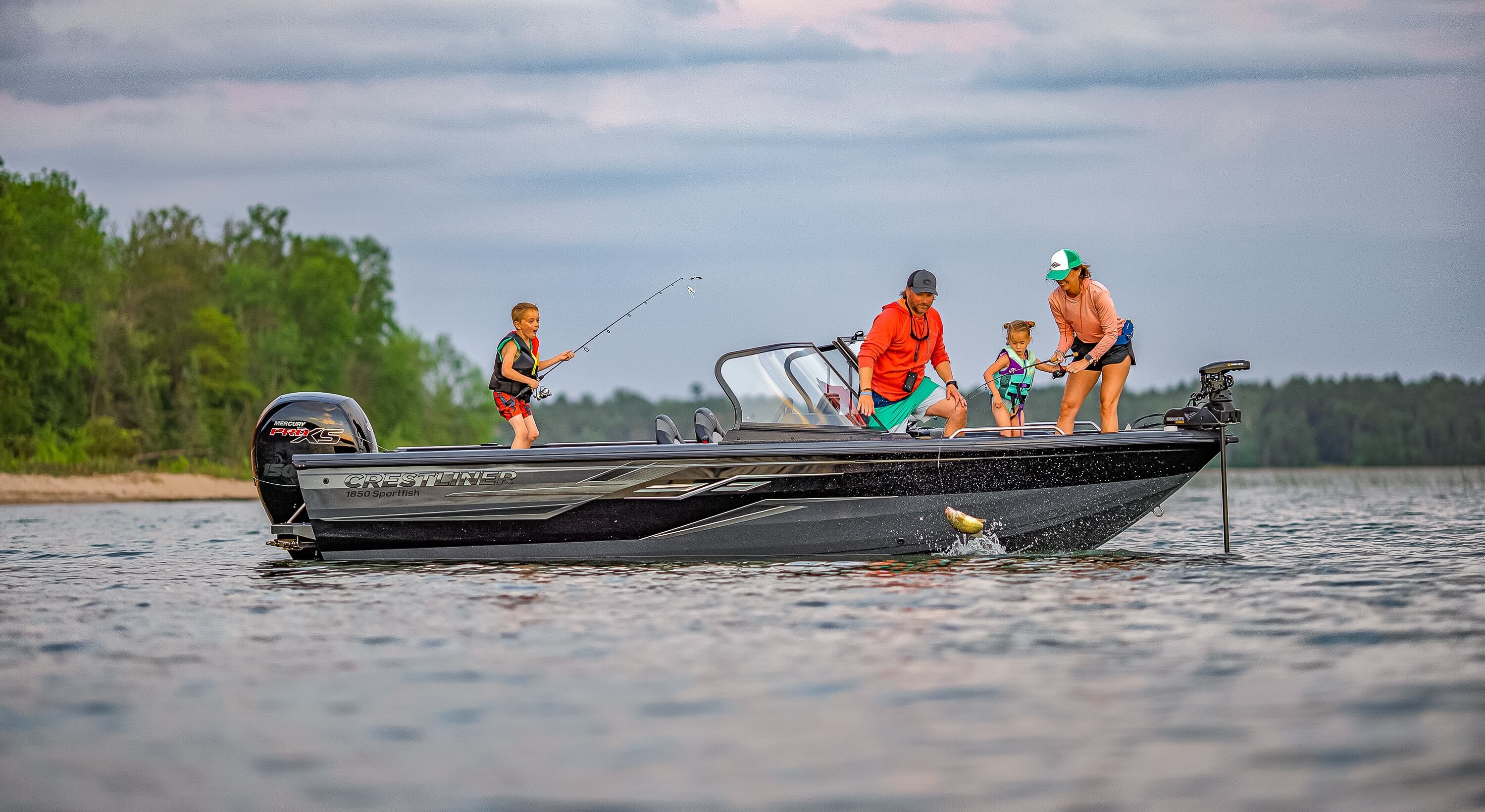
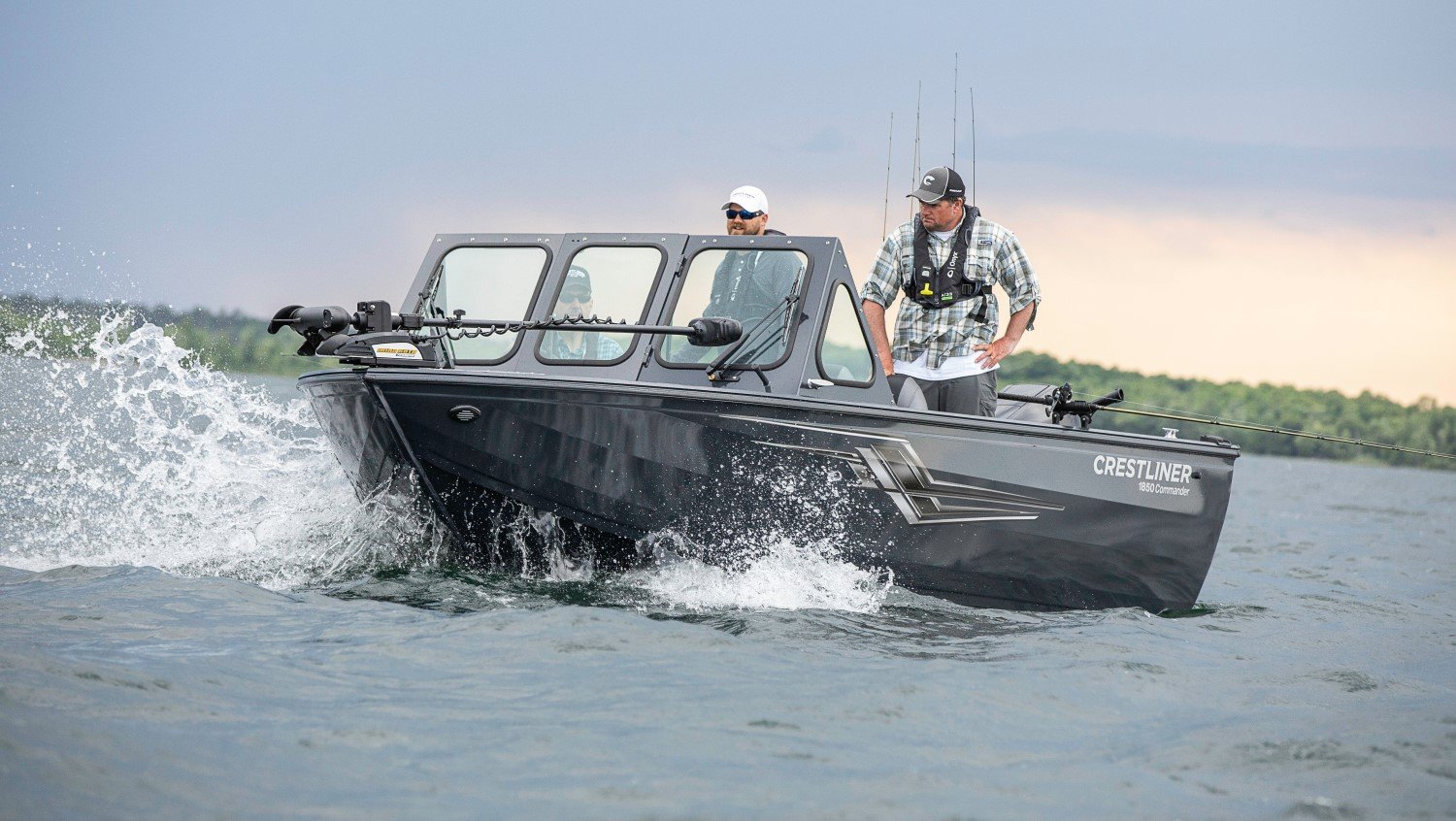
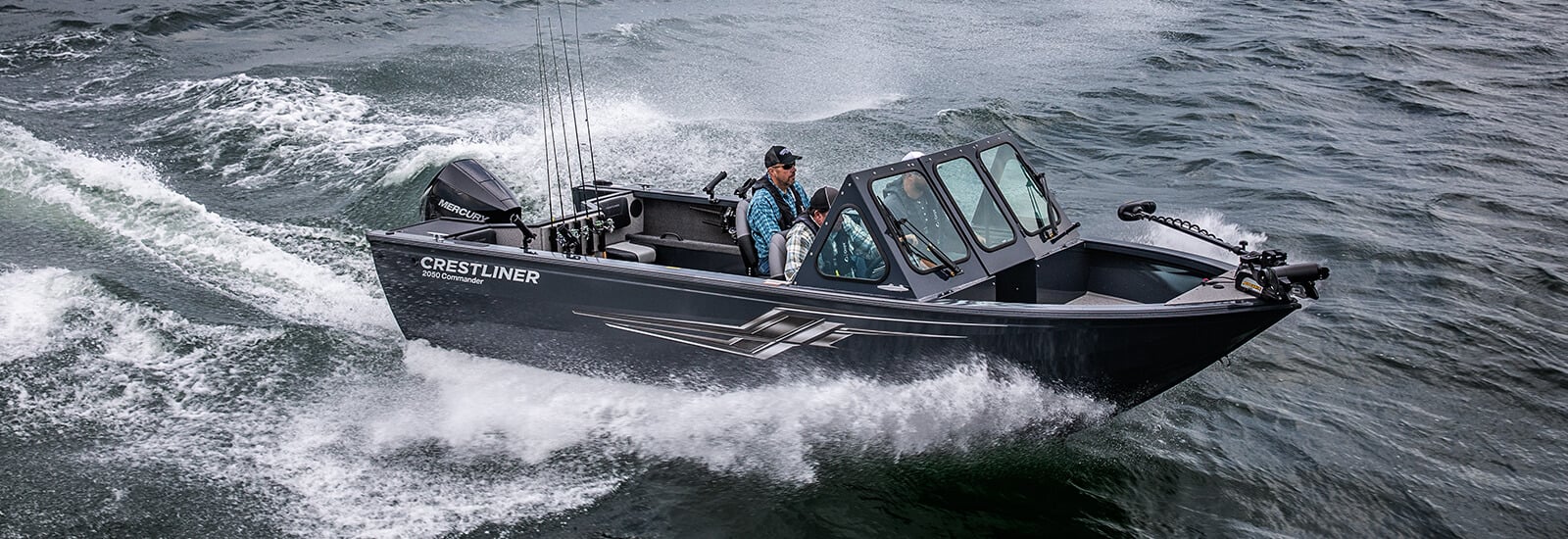
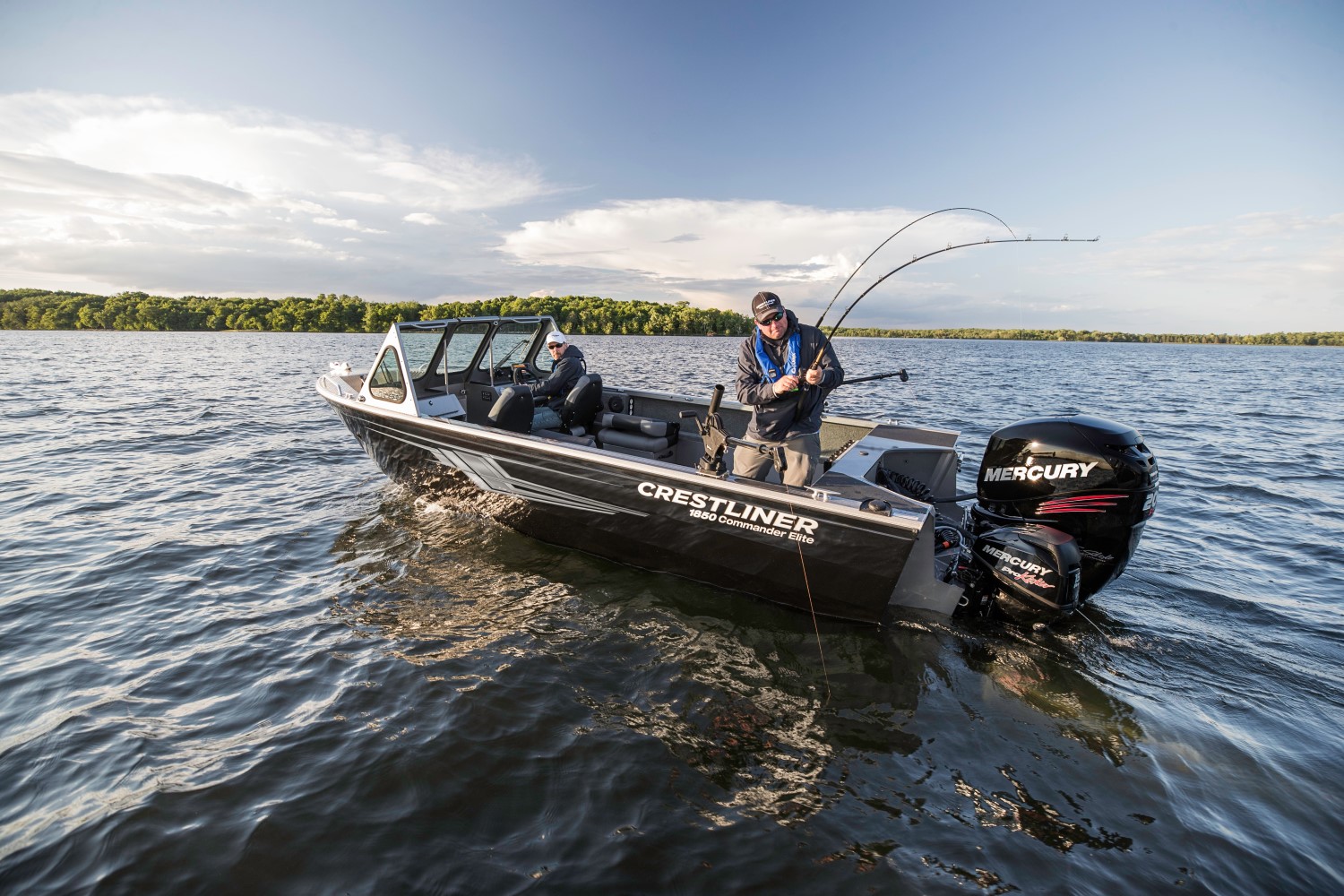
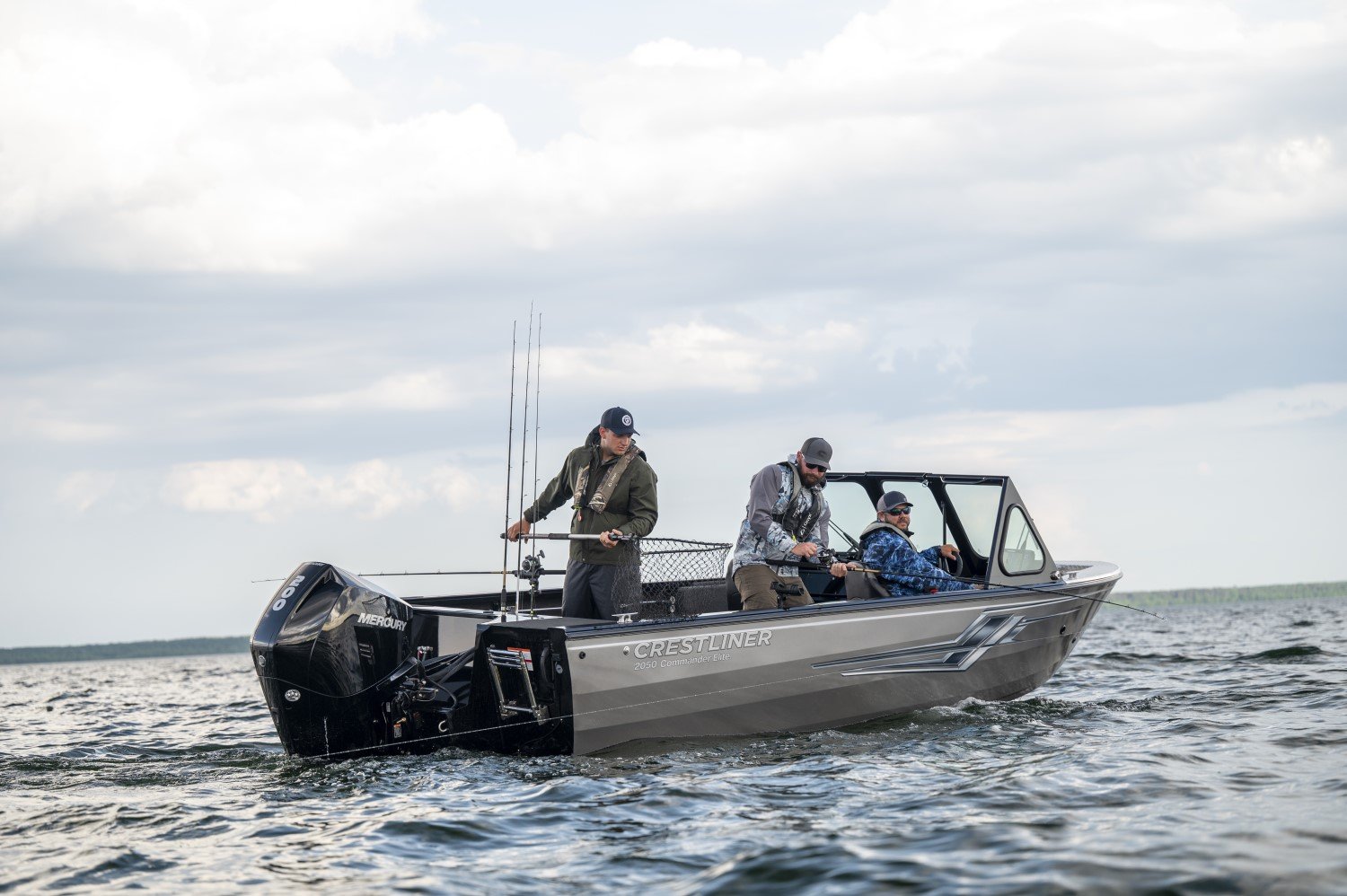
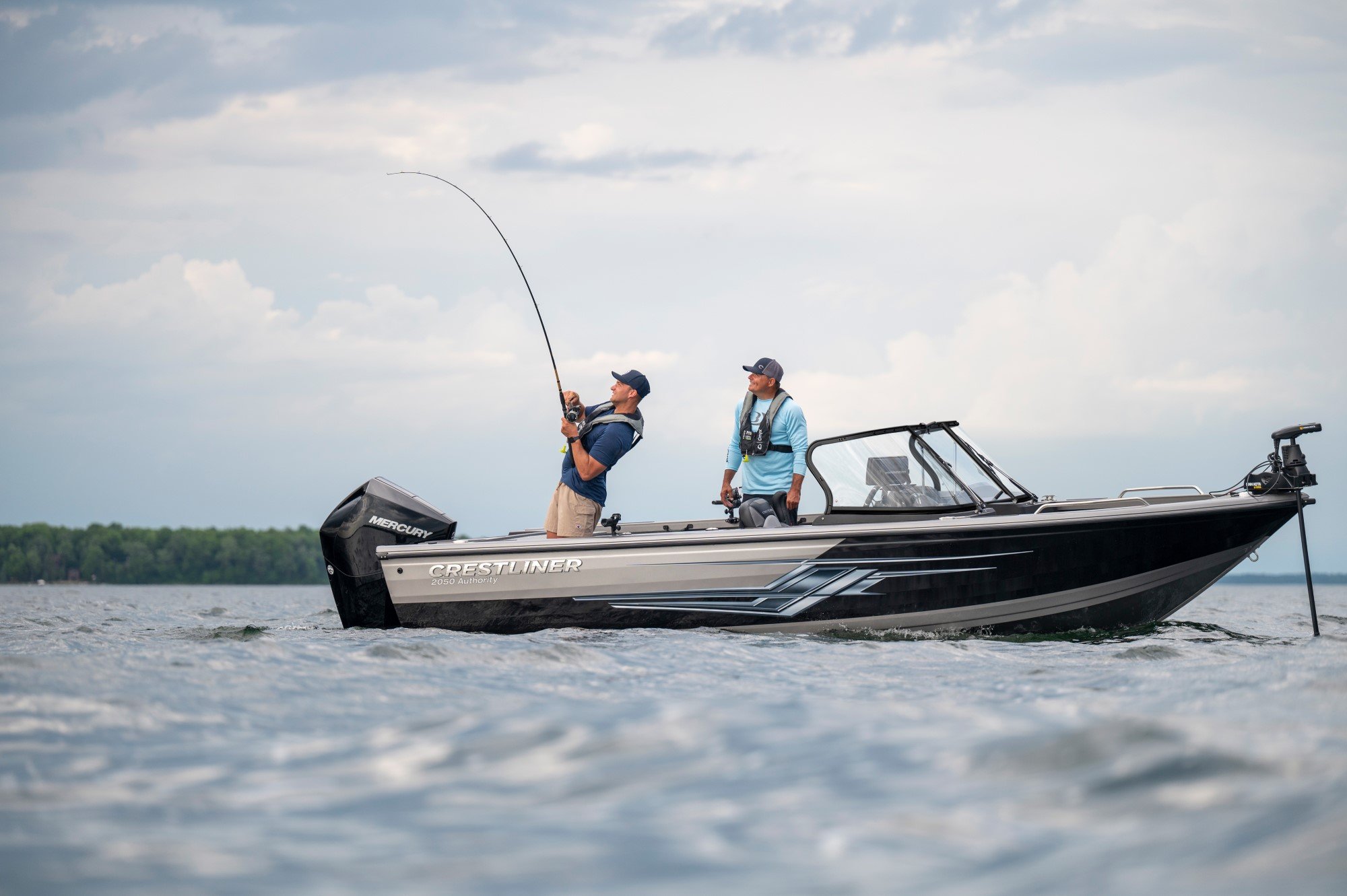
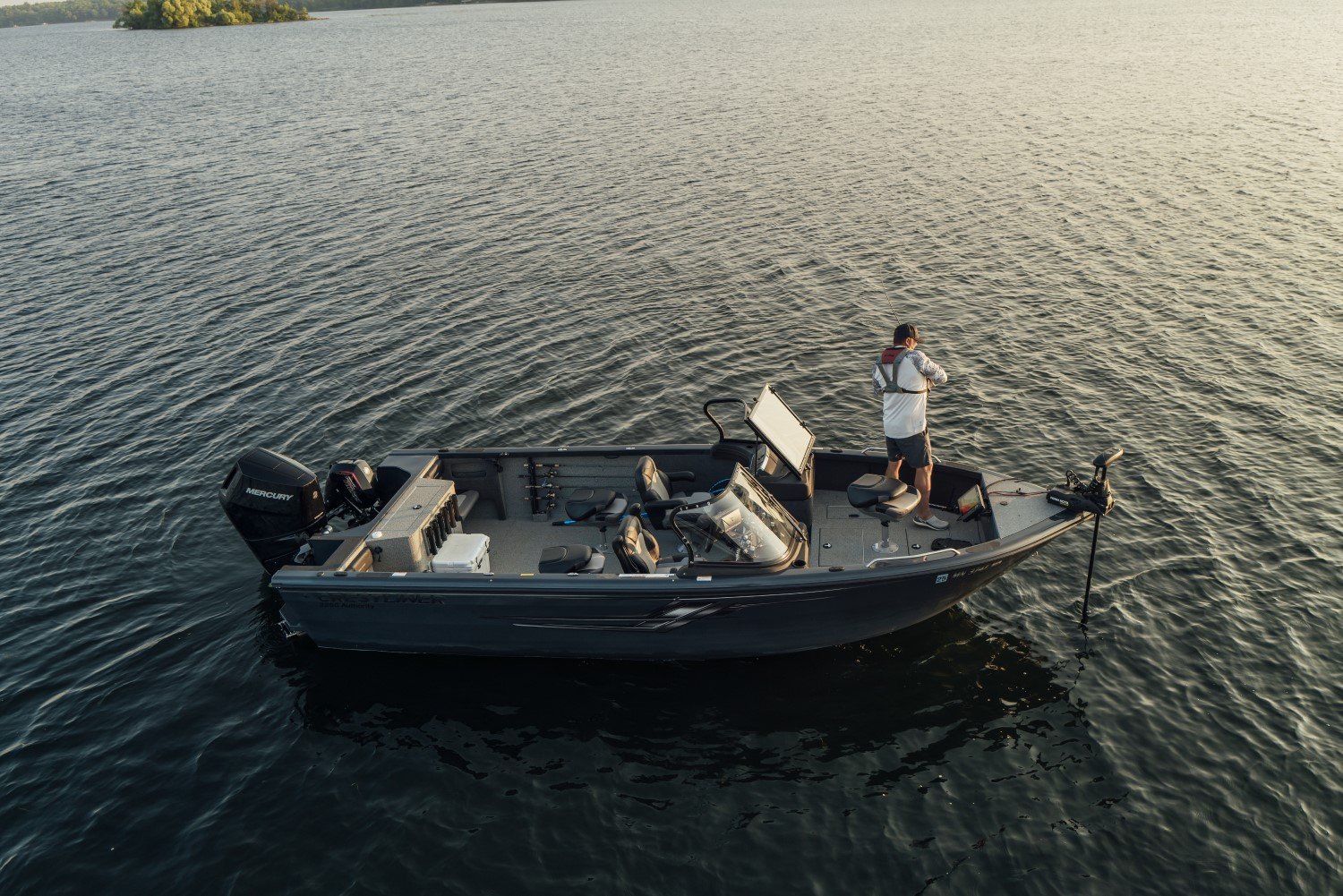
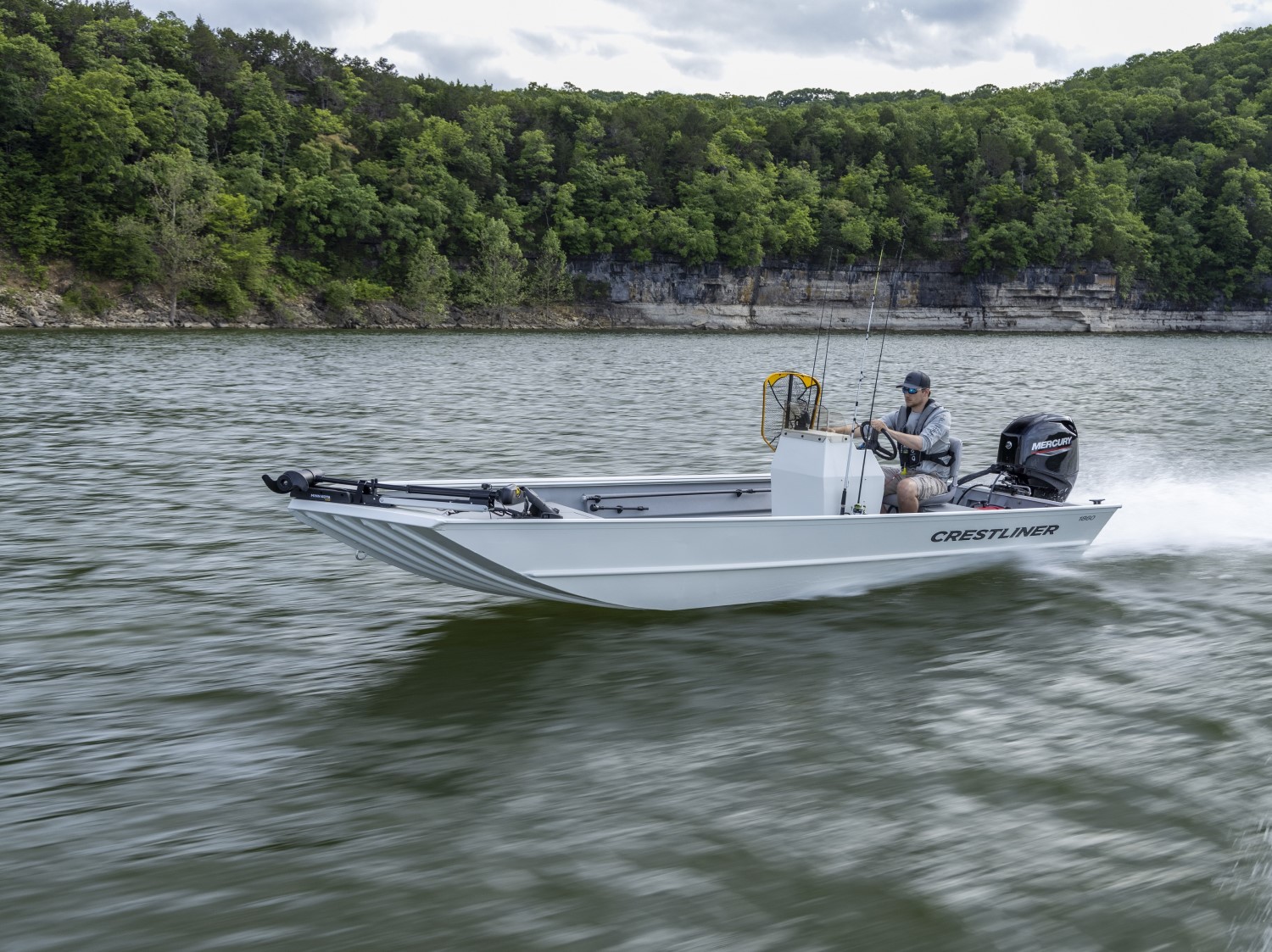
That’s the kind of setup commonly seen on boats like the Crestliner 1850 Commander or 2050 Authority, especially with anglers targeting offshore walleye structure or suspended fish on massive northern lakes.
And screen placement matters too.
The best rigs position graphs where anglers can read them without constantly turning their bodies or blocking deck space. A cluttered console gets frustrating fast during rough-water runs.
Different Boats Need Different Rigging Plans
One mistake newer boat owners make is rigging every boat exactly the same way.
But fishing style changes everything.
A bass-focused setup looks completely different from a trolling-heavy multi-species rig.
Multi-Species Layouts
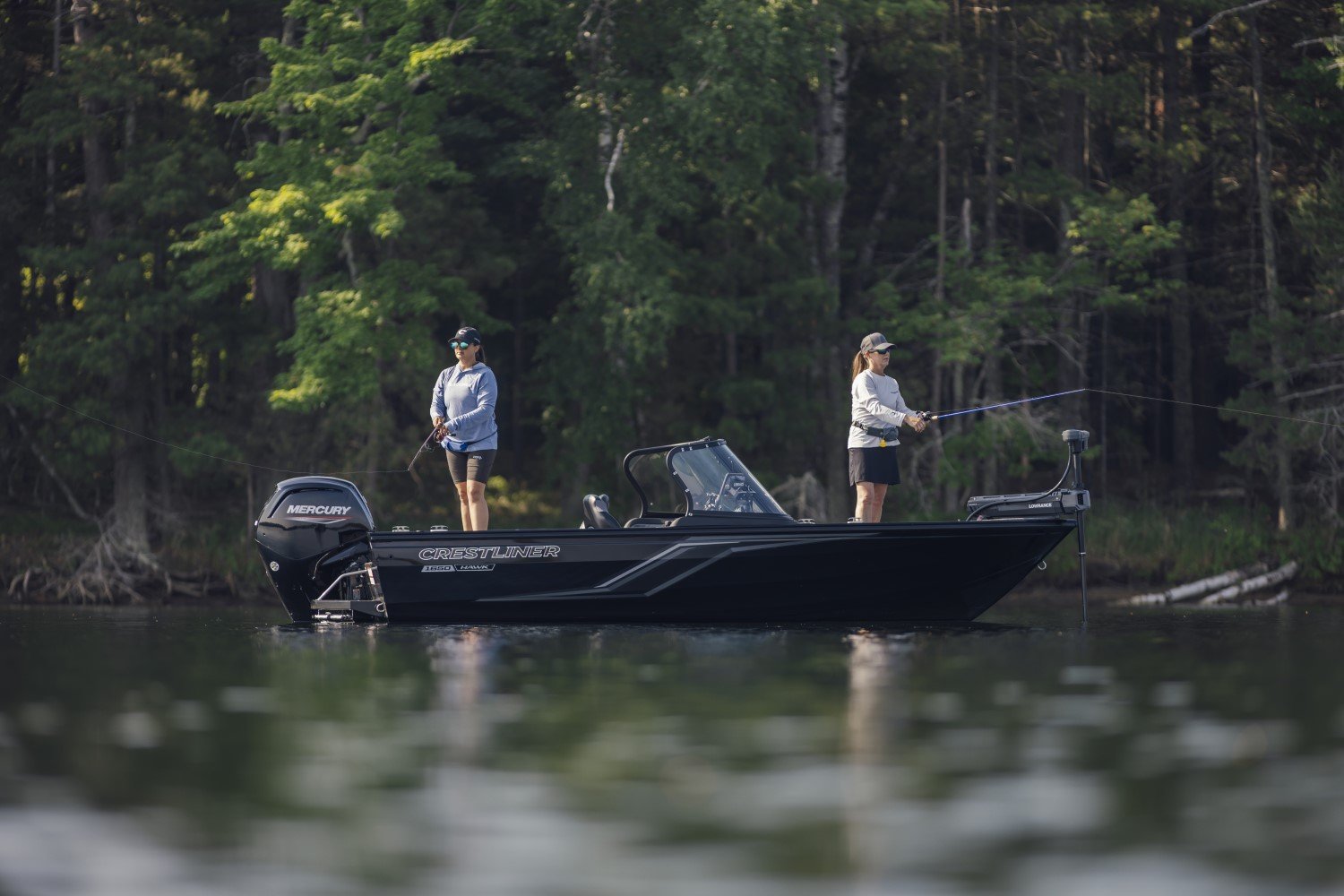
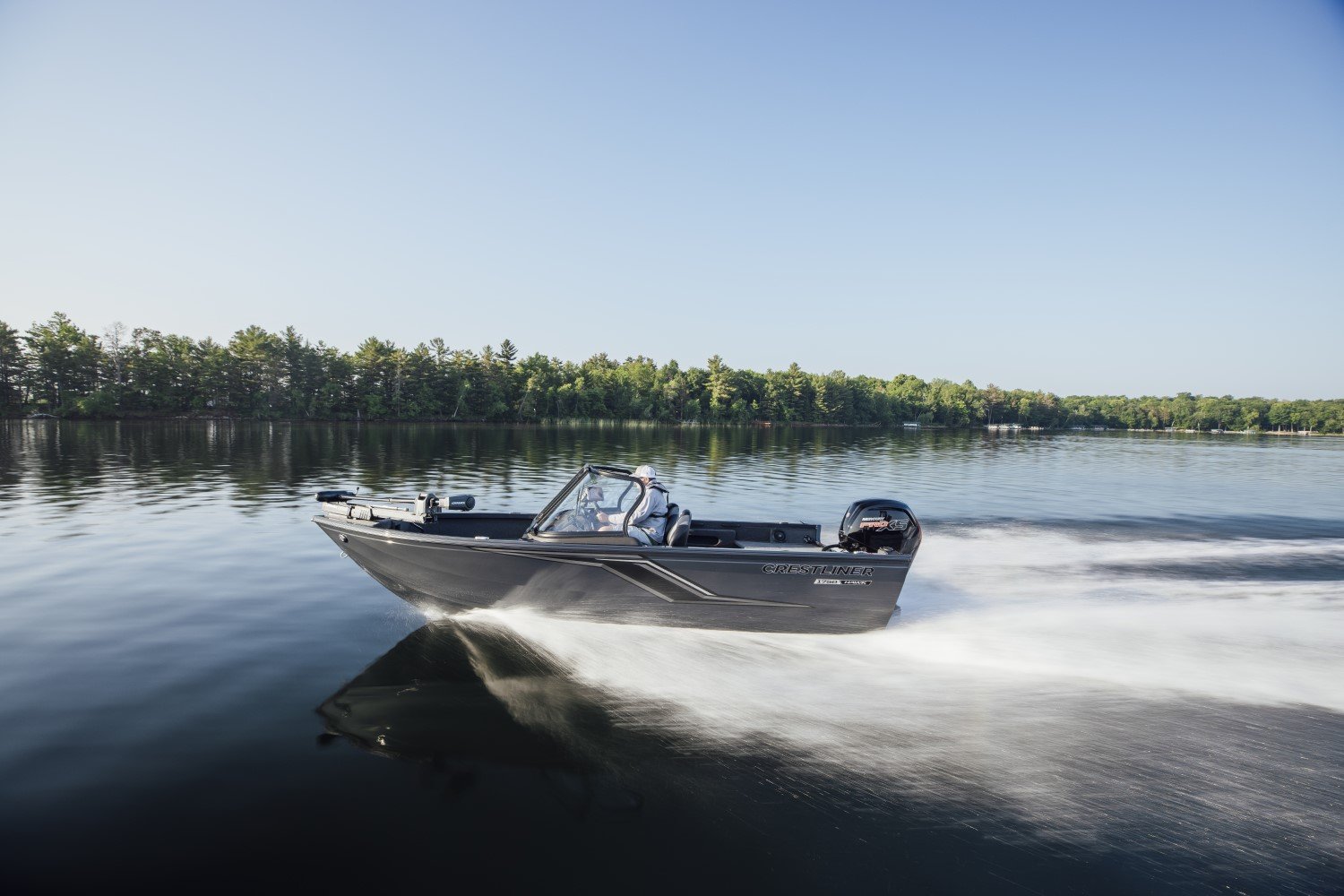
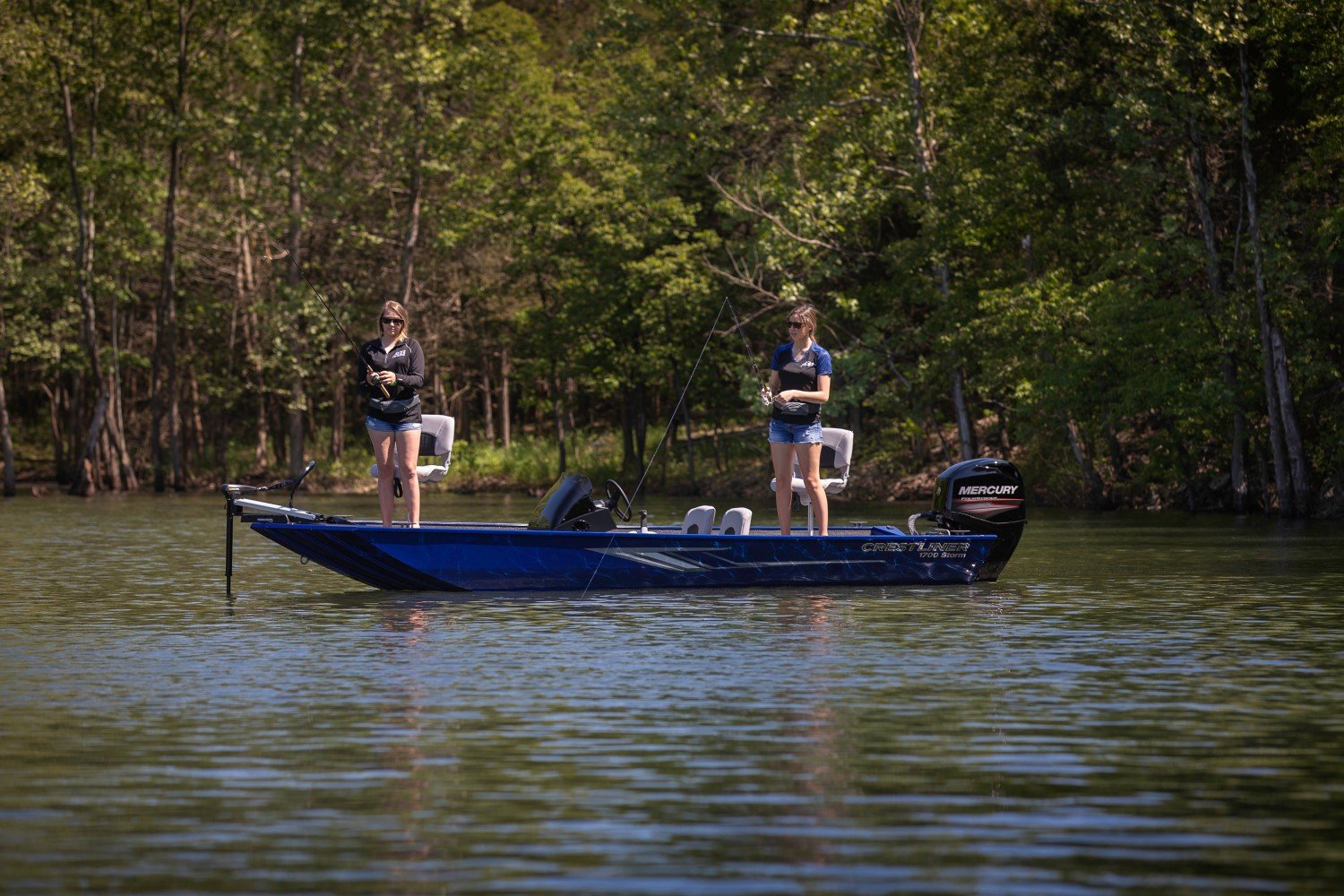
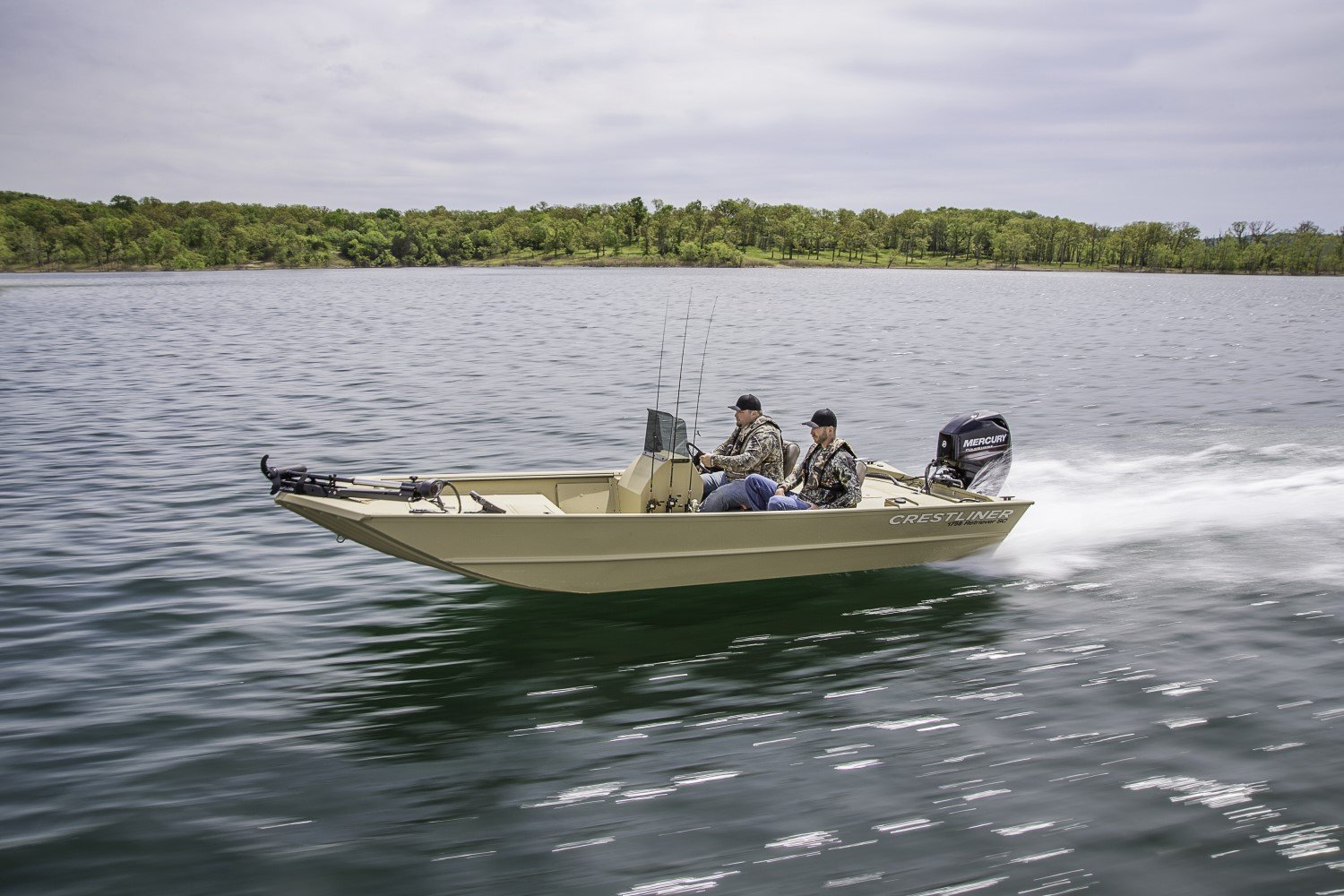
Boats like the Crestliner 1750 Fish Hawk are rigged for versatility:
- Large center rod storage systems
- Combination casting and trolling layouts
- Bow electronics paired with console mapping
- Rear livewell access for quick bait changes
- Kicker motor mounting
- Open rear deck space for netting fish
These rigs are built for anglers bouncing between jigging walleyes in the morning and casting shorelines for bass in the afternoon.
Big-Water Trolling Layouts
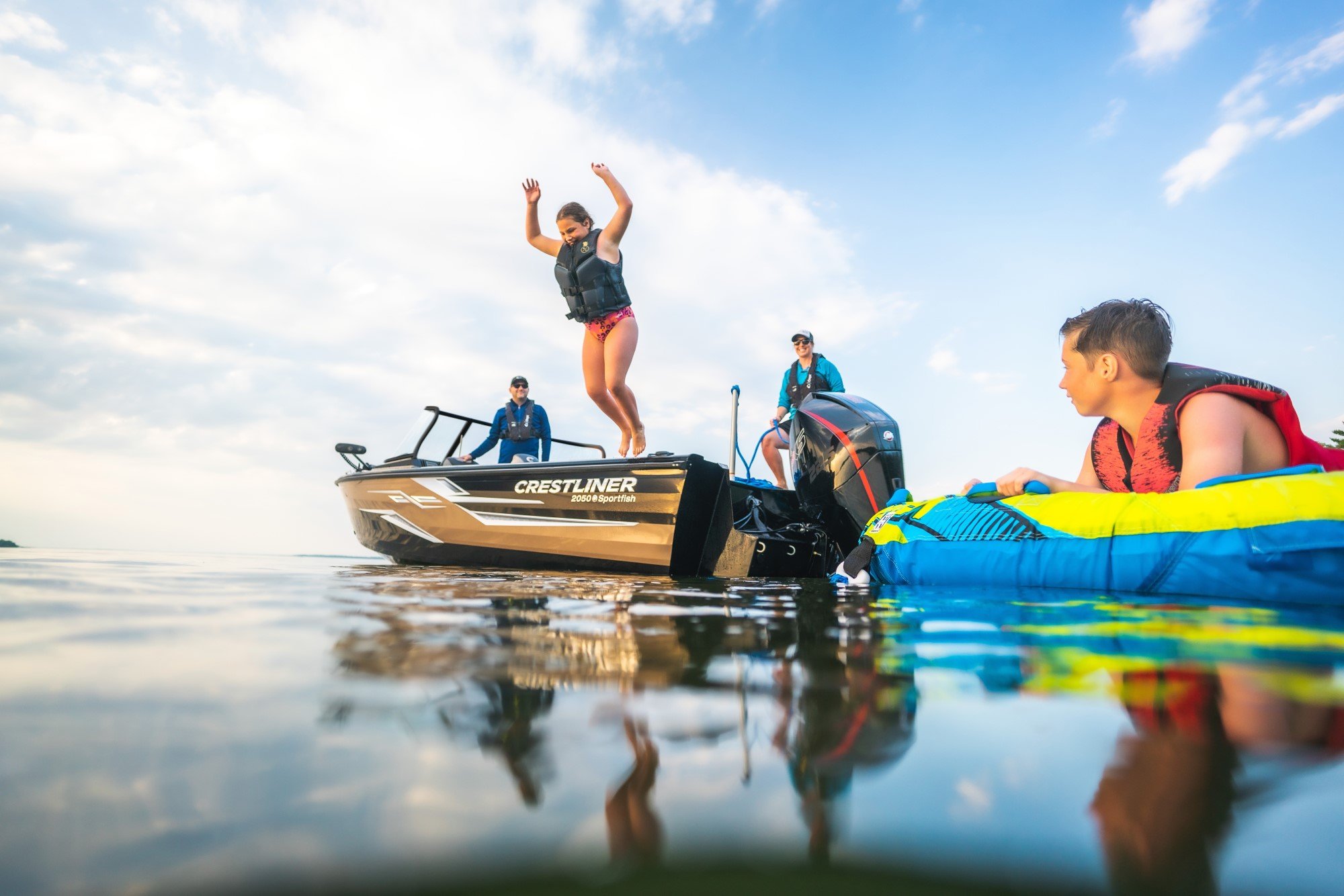
Meanwhile, larger platforms like the Crestliner 2050 Authority lean heavier into offshore rigging:
- Multiple rod holder tracks
- Downrigger mounting systems
- Larger electronics arrays
- Extended battery storage
- Reinforced transducer mounting plates
- Larger bilge systems for rough-water safety
These boats are built for long runs and ugly conditions where reliability matters more than cosmetics.
Bow Rigging Can Make or Break a Fishing Day
The bow becomes command central once the trolling motor drops.
And cluttered bow layouts get annoying fast.
Experienced anglers keep the front deck clean and efficient:
- Flush-mounted electronics whenever possible
- Recessed trolling motor foot pedals
- Clear rod staging areas
- Battery access close to the bow for weight balance
- Dedicated mounting plates for graphs and accessories
- Trolling motor shaft length matters too.
Too short and the prop lifts out of rough water constantly.Too long and the motor becomes awkward around docks and trailers.
Big-water anglers running Deep-V boats often move toward longer shafts specifically to keep the prop buried in heavy chop.
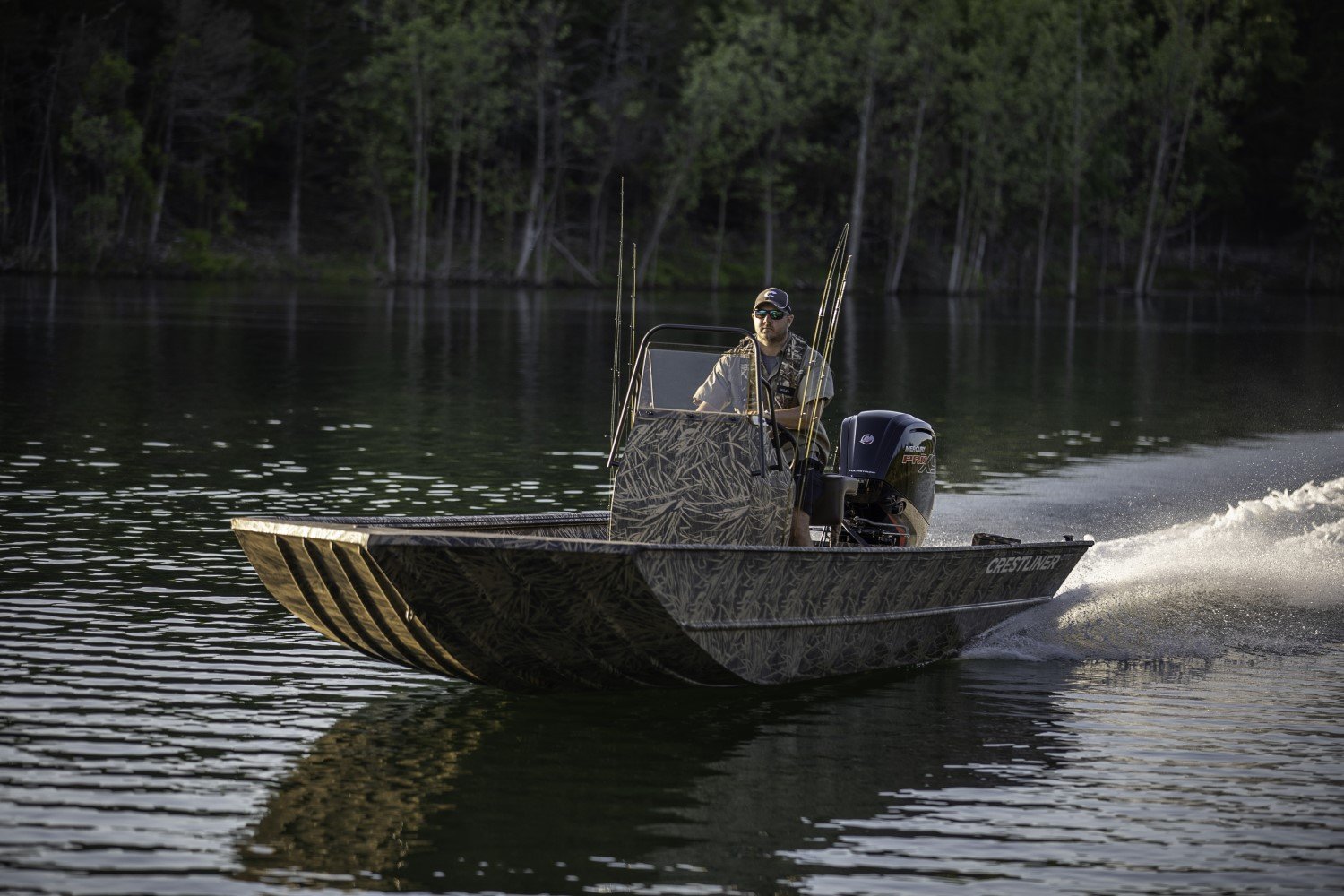
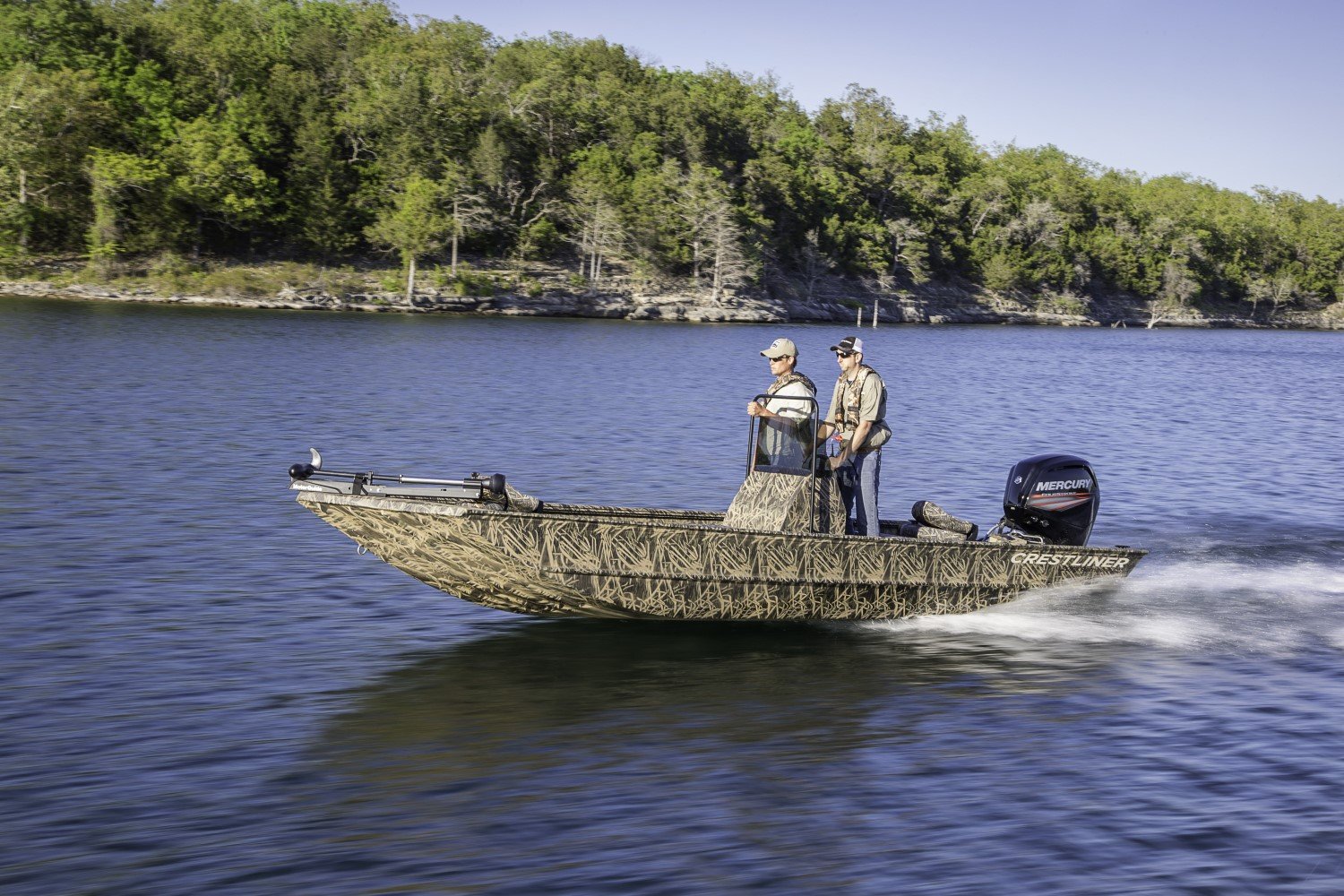
That becomes especially important on boats like the Crestliner Commander series, where rough-water boat control becomes part of everyday fishing.
Storage Systems Separate Good Boats From Frustrating Ones
Nothing slows down a fishing day faster than digging through clutter while fish are actively feeding.
That’s why smart deck rigging matters.
Well-rigged boats usually include:
- Lockable rod tubes to prevent broken guides
- Plano-style tackle systems separated by presentation type
- Dedicated net storage
- Organized terminal tackle trays
- Bilge access panels for easy maintenance
- Waterproof storage for rain gear and safety equipment
- Clearly accessible fire extinguishers and throw cushions
And livewell maintenance matters more than many anglers realize.
A neglected livewell system turns ugly quickly:
- Clogged intake pumps
- Bad aerators
- Leaking plumbing fittings
- Overflow issues during rough-water runs
Experienced anglers routinely inspect pumps, hoses, and bilge systems before peak season starts because breakdowns usually happen when the boat is fully loaded and far from the launch.
The Best Fishing Boats Feel Predictable
That’s the goal with good rigging.
Predictability.
You hit the trolling motor pedal — it responds instantly.
Graphs stay clear at speed.
Batteries last all day.
Bilge pumps work when needed.
Rods stay organized.
Nothing rattles loose in rough water.
Because once the rigging disappears into the background, the angler can focus on what matters:
Wind direction.
Water temperature.
Current seams.
Bait movement.
And figuring out where the fish slid off to overnight.
That’s where the real game starts.