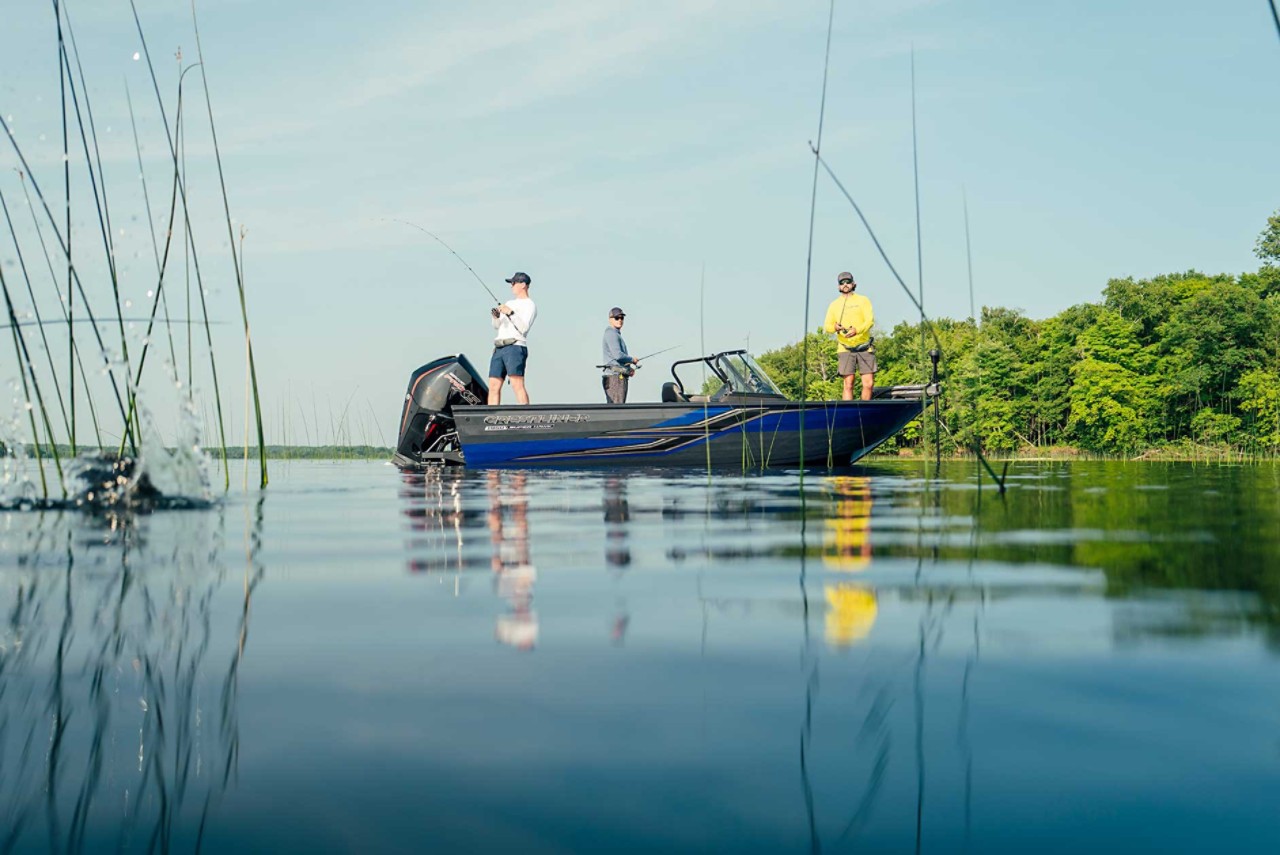



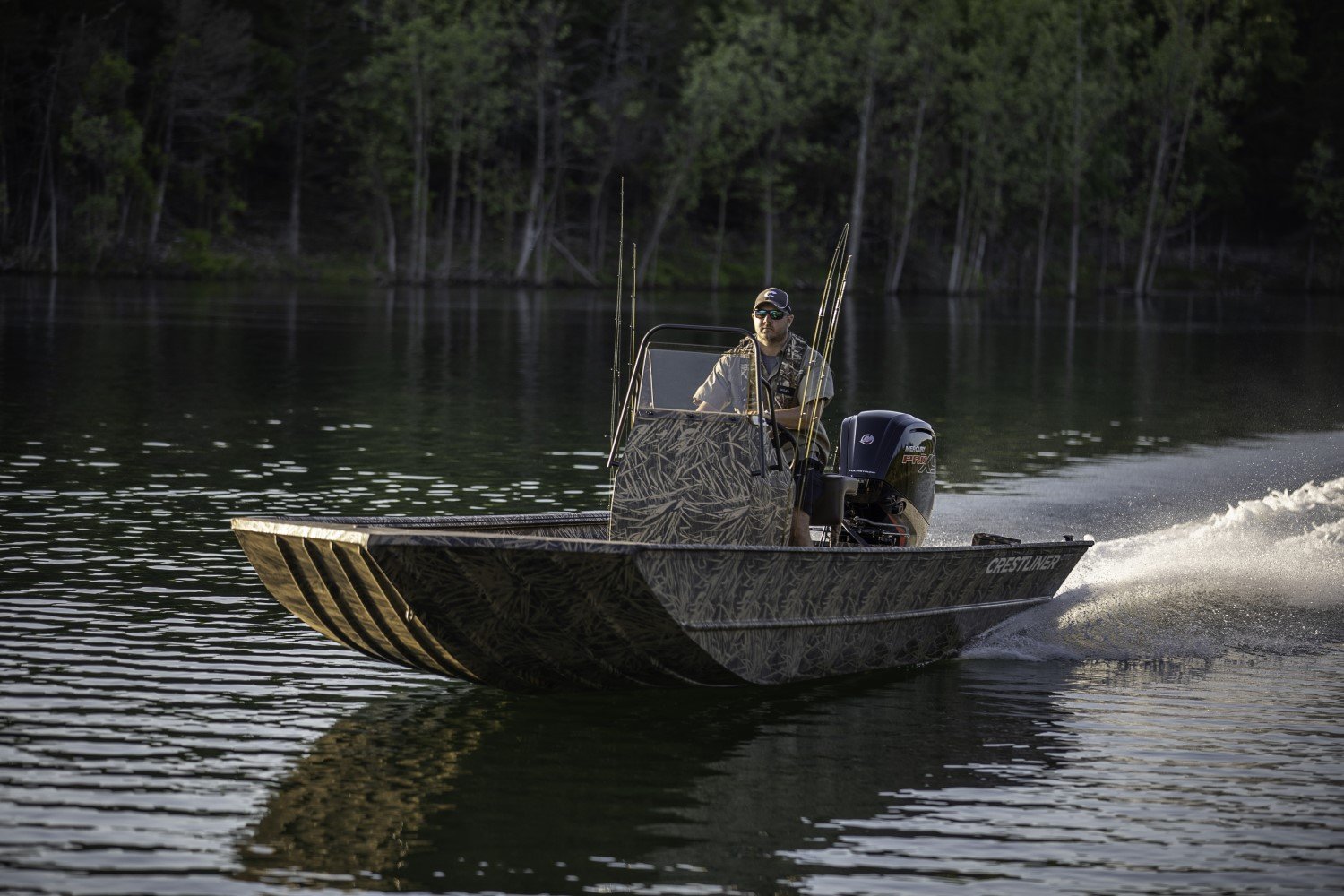

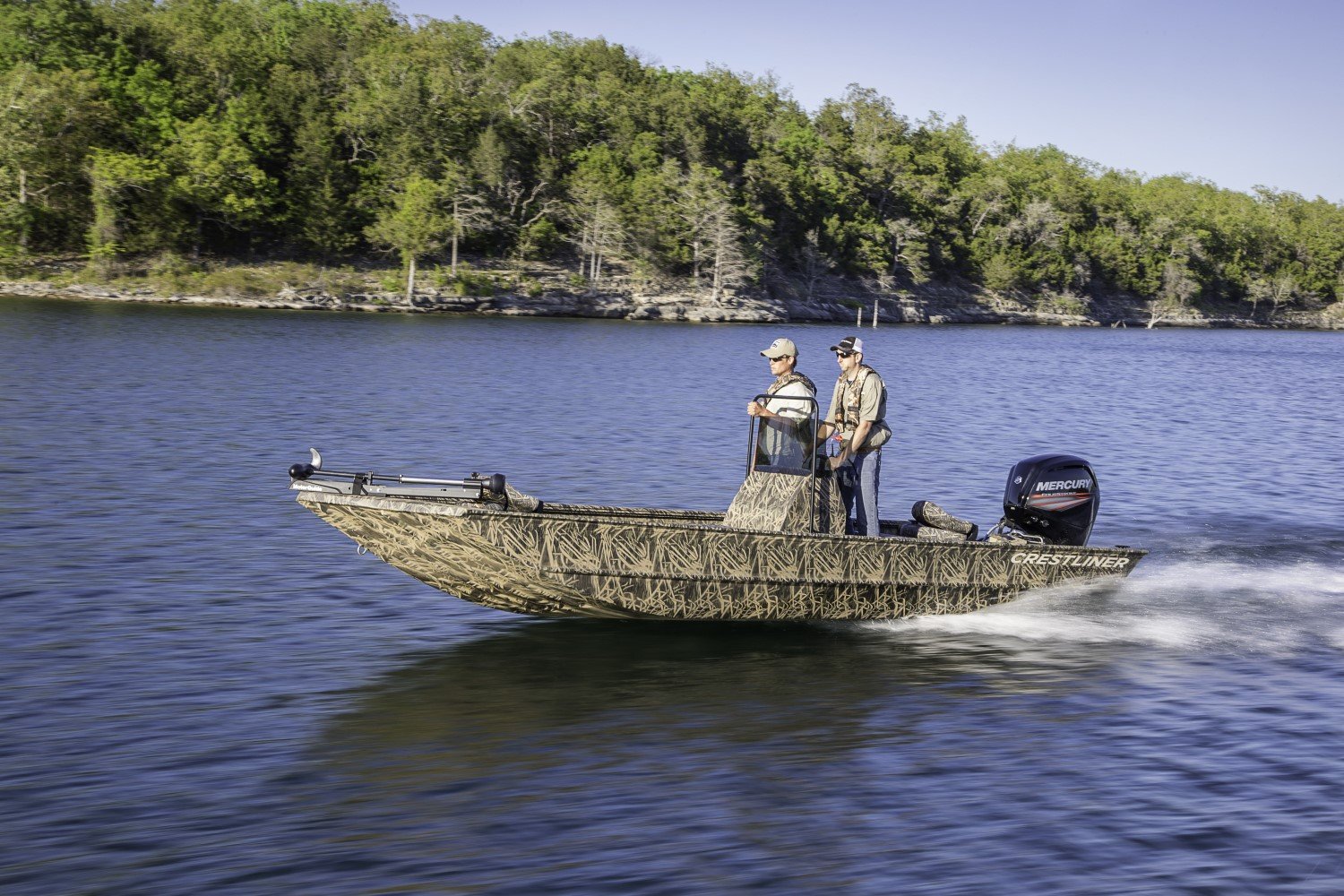



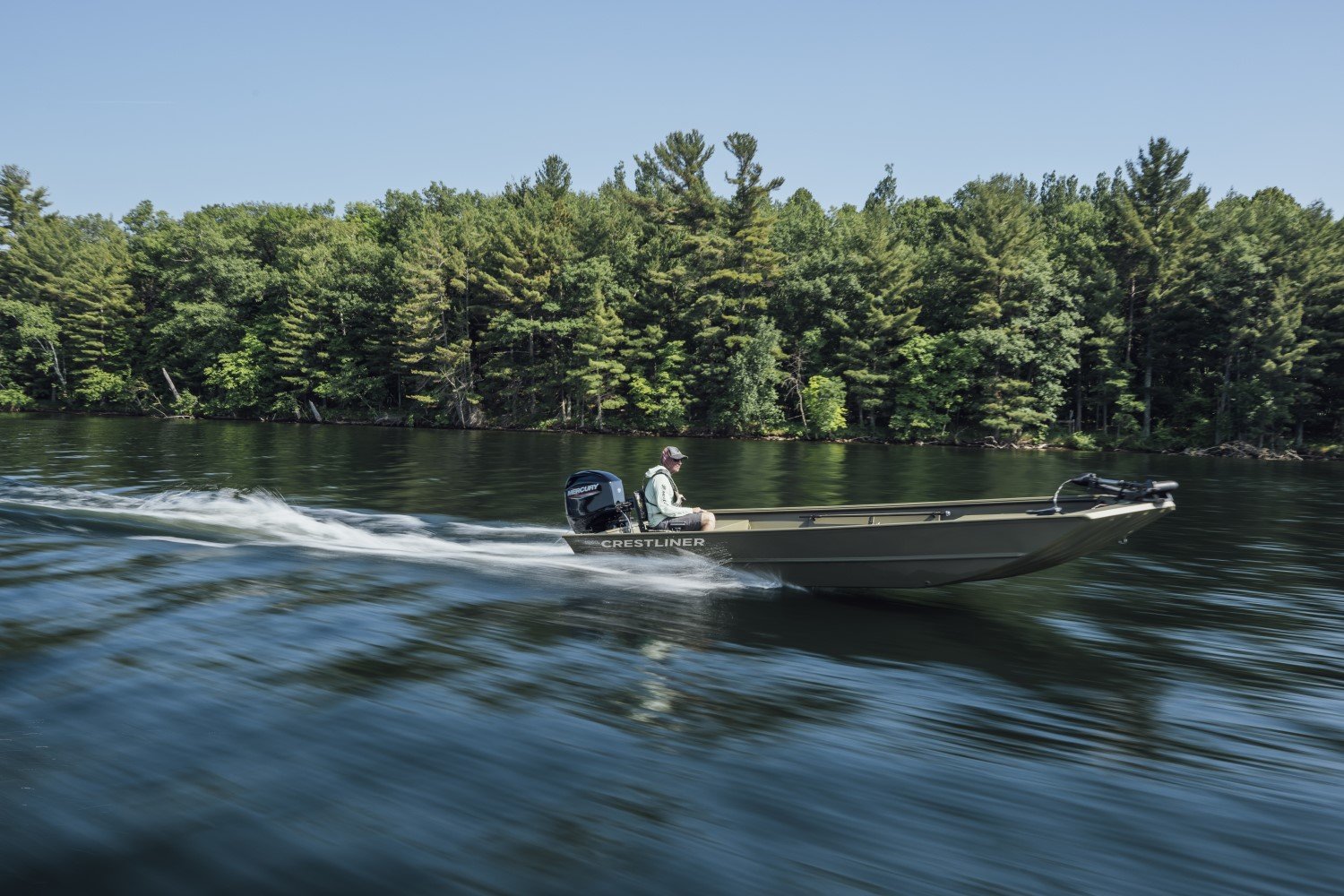
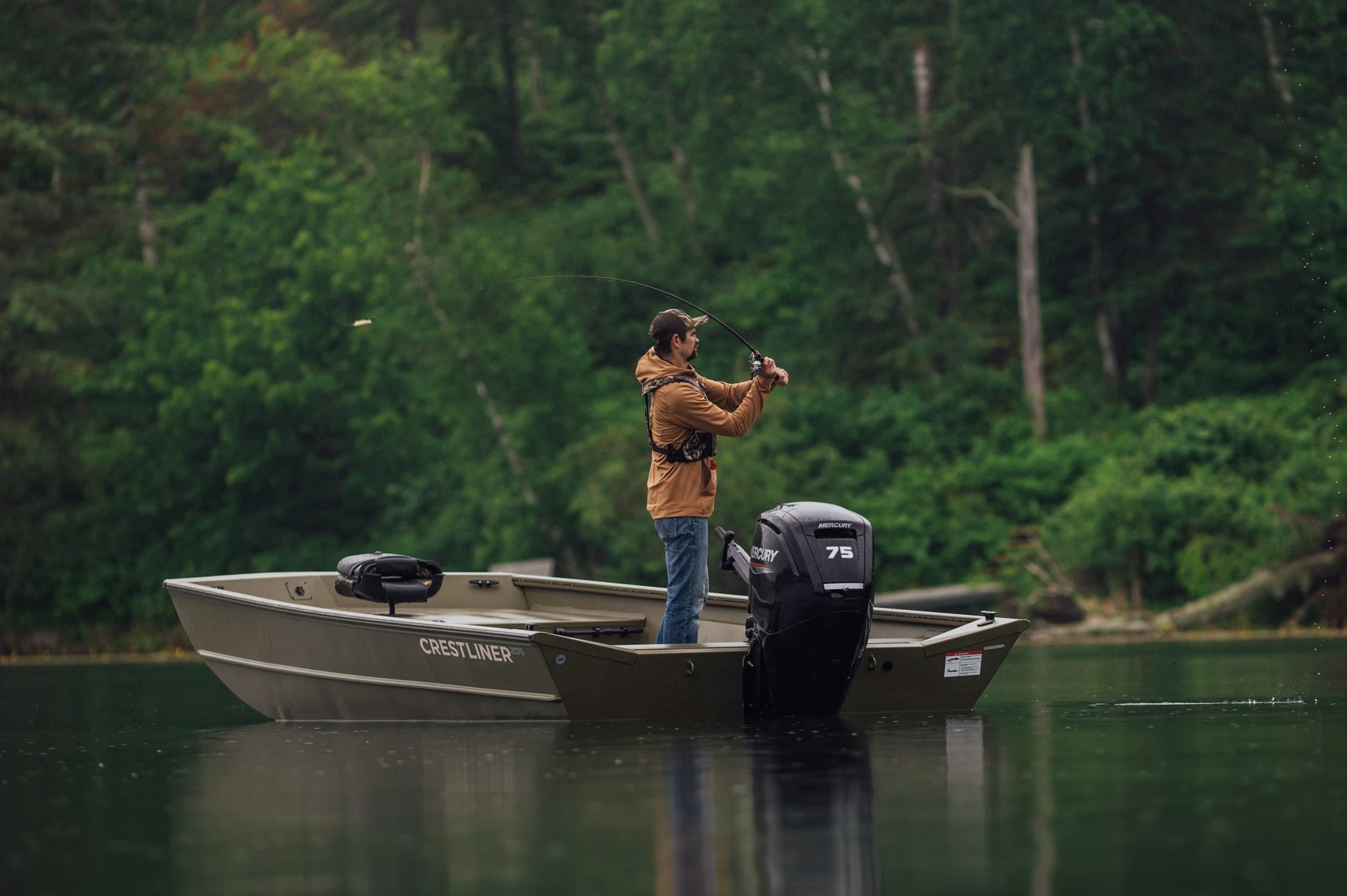
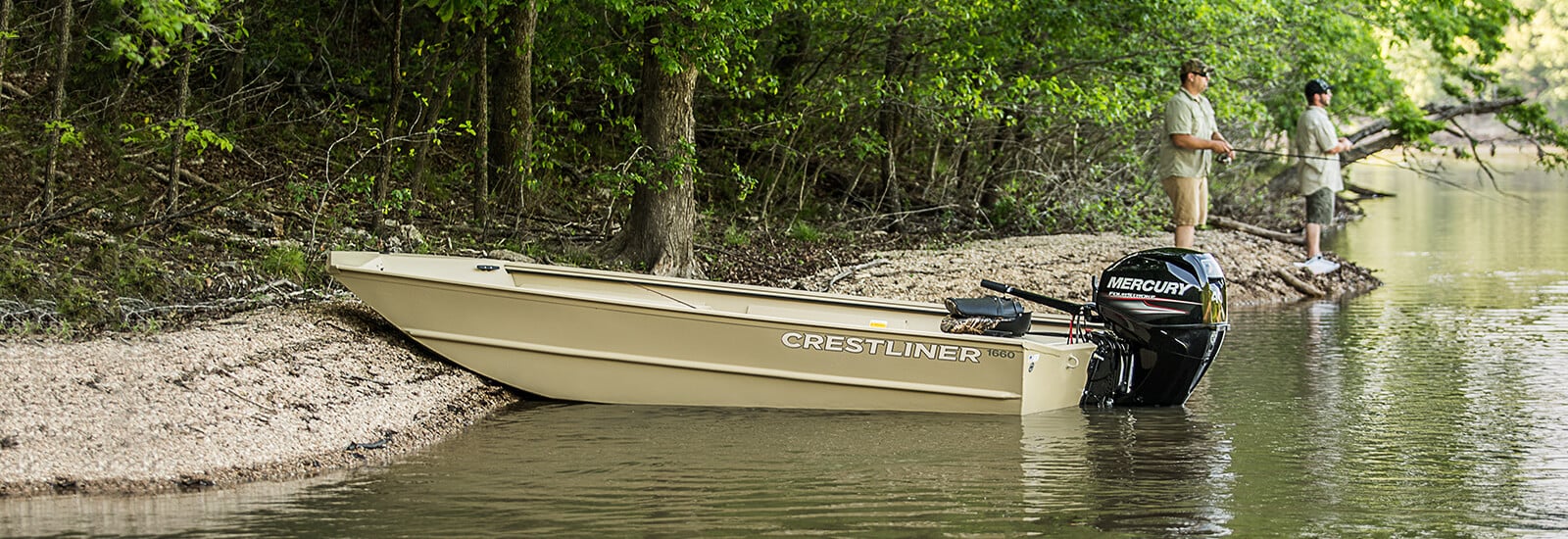
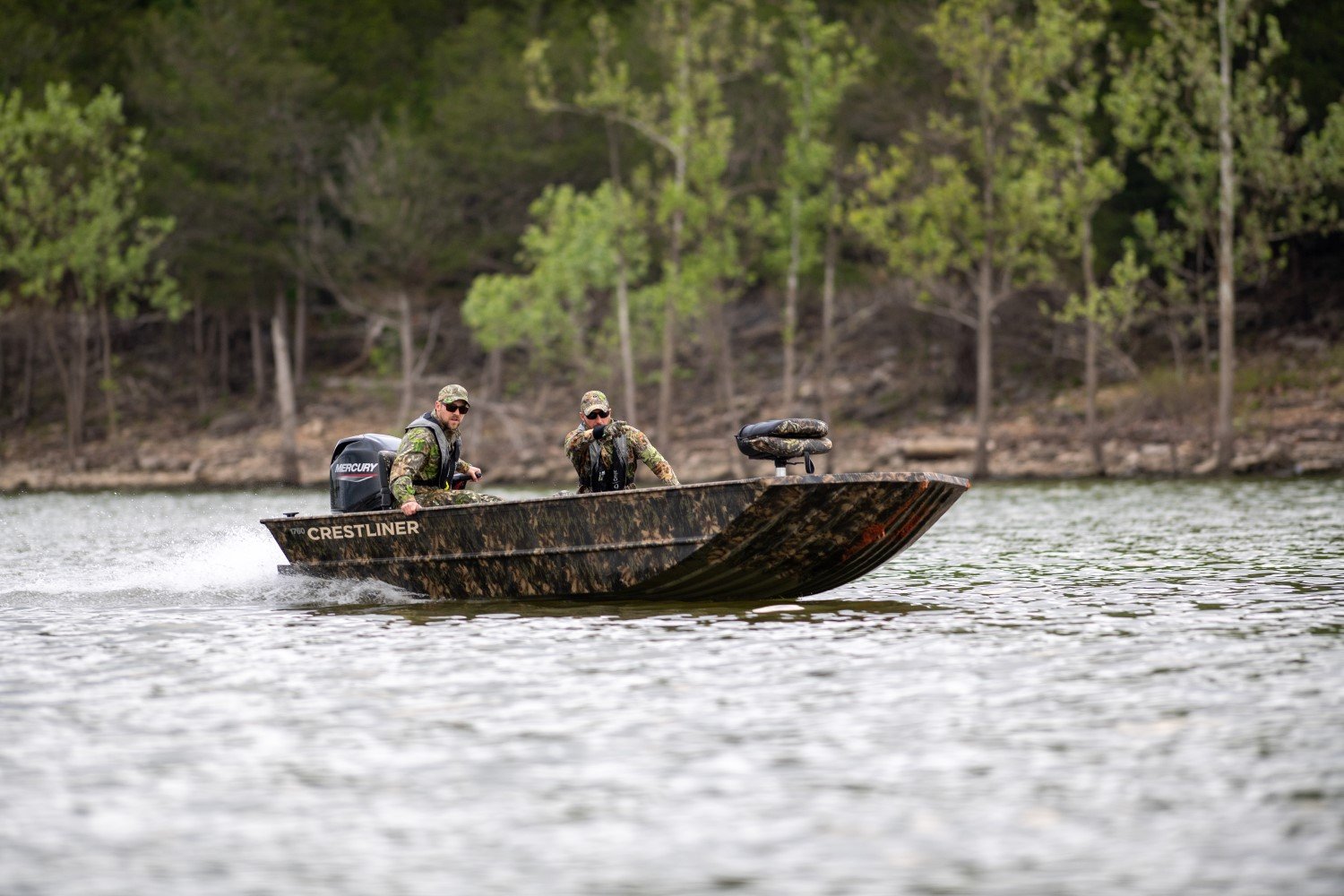
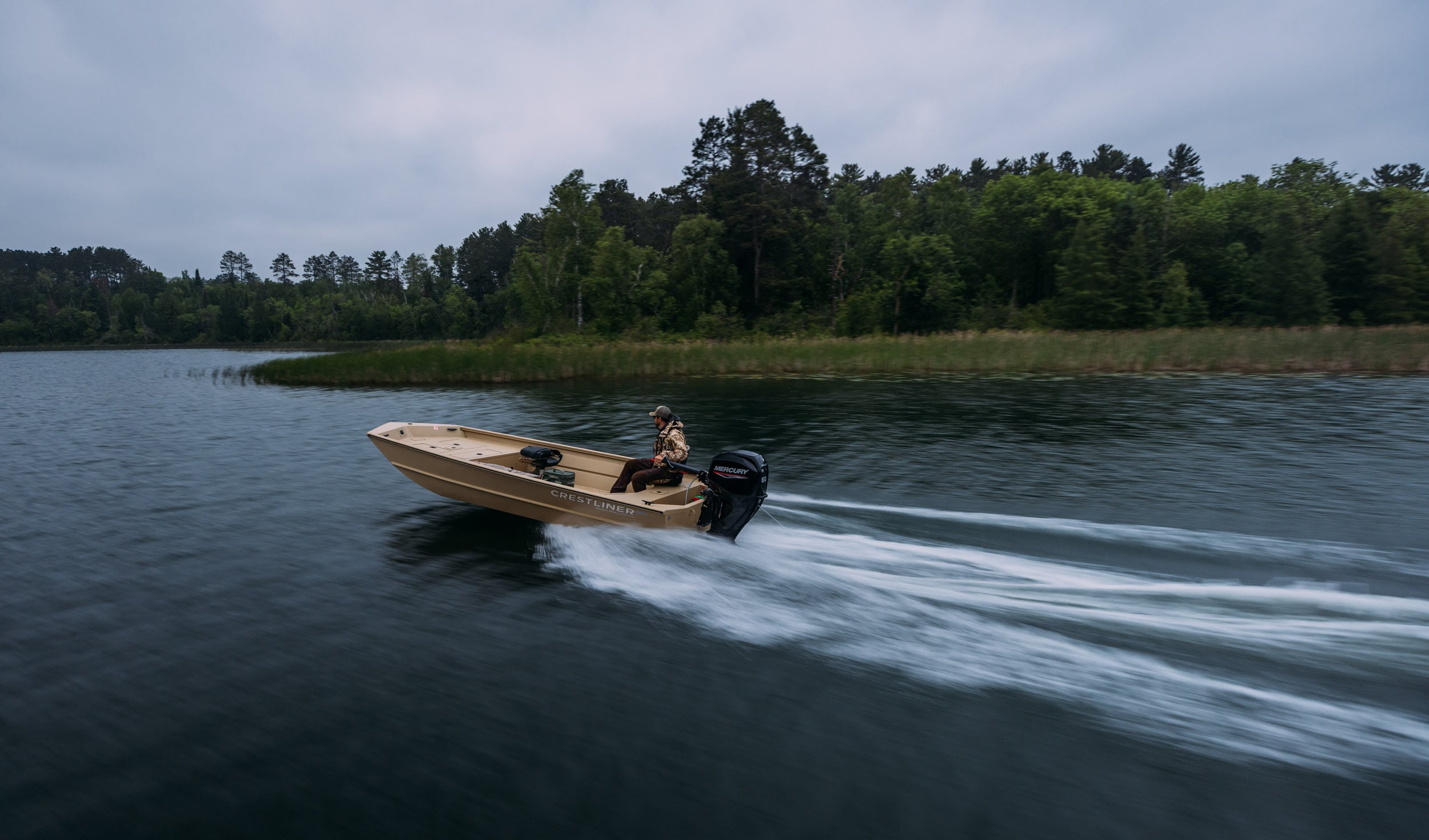





Some boats are built to impress people at the dock.
Others are built for mornings when the air hurts your face, the coffee’s gone cold before sunrise, and the landing is nothing more than cracked concrete disappearing into dark water.
That’s where aluminum boats earned their place.
Not from polish. Not from showroom lights. From years of getting dragged down rough roads, shoved off sketchy launches, bounced through whitecaps, and pushed into water most people turn around before reaching.
Toughness Takes Center Stage
Spend enough time around serious anglers and you start noticing the same thing. The people who fish the hardest usually own gear that solves problems before they start.
That’s why aluminum still matters.
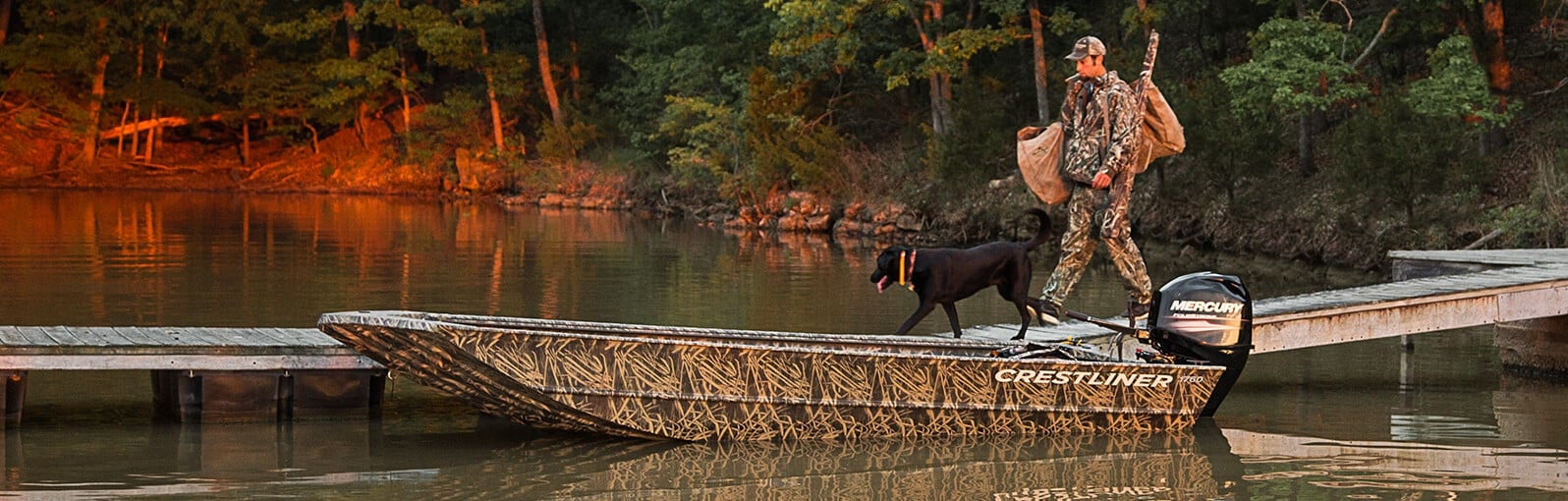
It handles abuse without becoming a headache, and can last as long as 20-40 years depending on how you handle the upkeep. Rocky shorelines, floating timber, shallow sandbars, hidden stumps — aluminum boats were made for places where perfect conditions don’t exist.
And when the wind flips directions halfway through the day and the lake suddenly decides it’s angry, you want a boat that feels planted underneath you.
Not delicate.
Not complicated.
Just dependable.
Different Boats Reveal Themselves in Different Water
You can learn a lot about a fishing boat sitting under showroom lights.
You can learn a whole lot more when the weather changes without warning and the ride back suddenly feels twice as long as the ride out.
That’s usually the moment when flashy paint, giant electronics, and polished trailer wheels stop mattering quite so much.
Because rough water has a way of simplifying things.
Suddenly the only questions that matter are:
Can the hull handle it?
Does the boat stay dry?
Does it still feel solid underneath you?
Can it get you home comfortably?
That’s where aluminum boats start earning their reputation all over again.
Big Water Changes Your Priorities
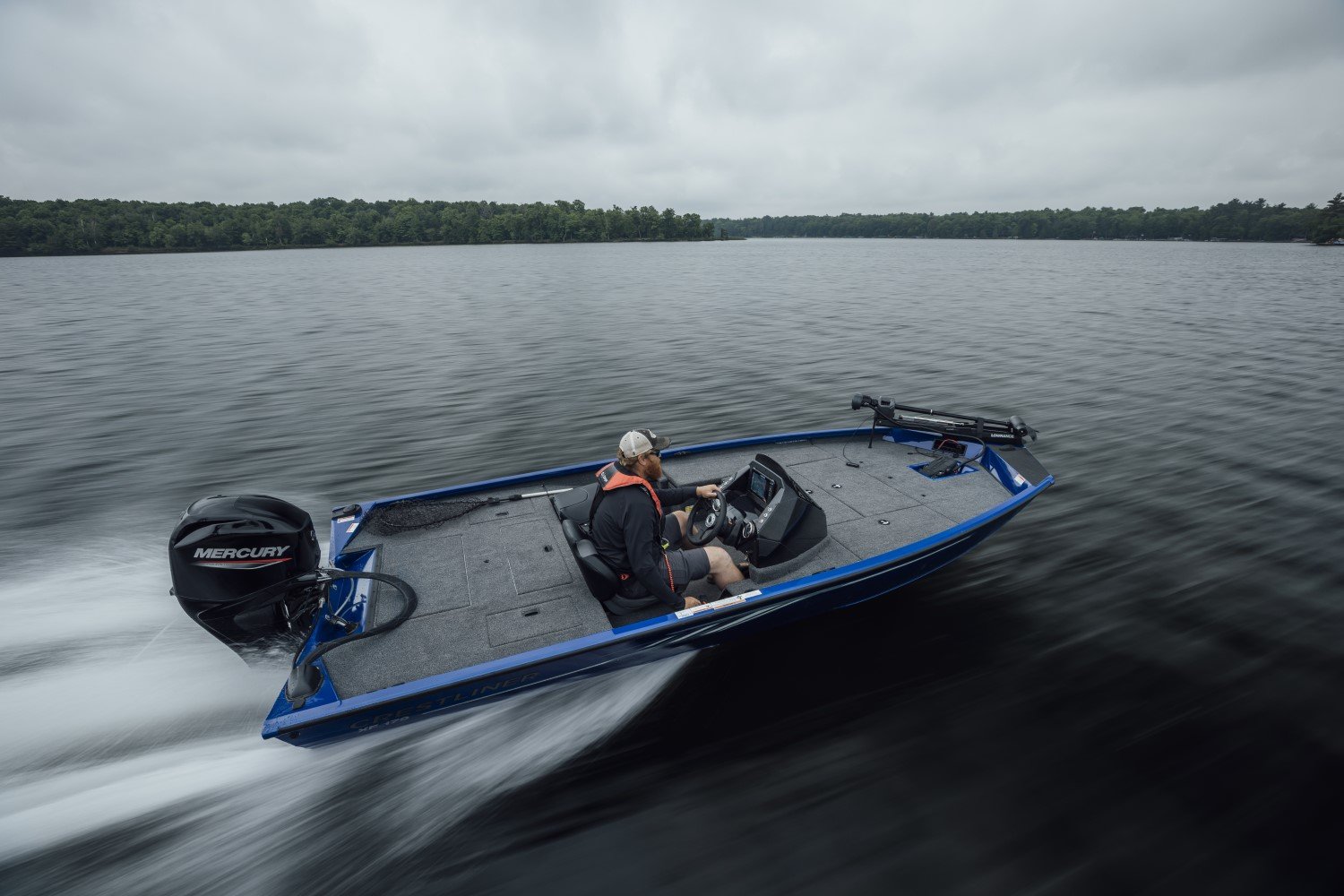
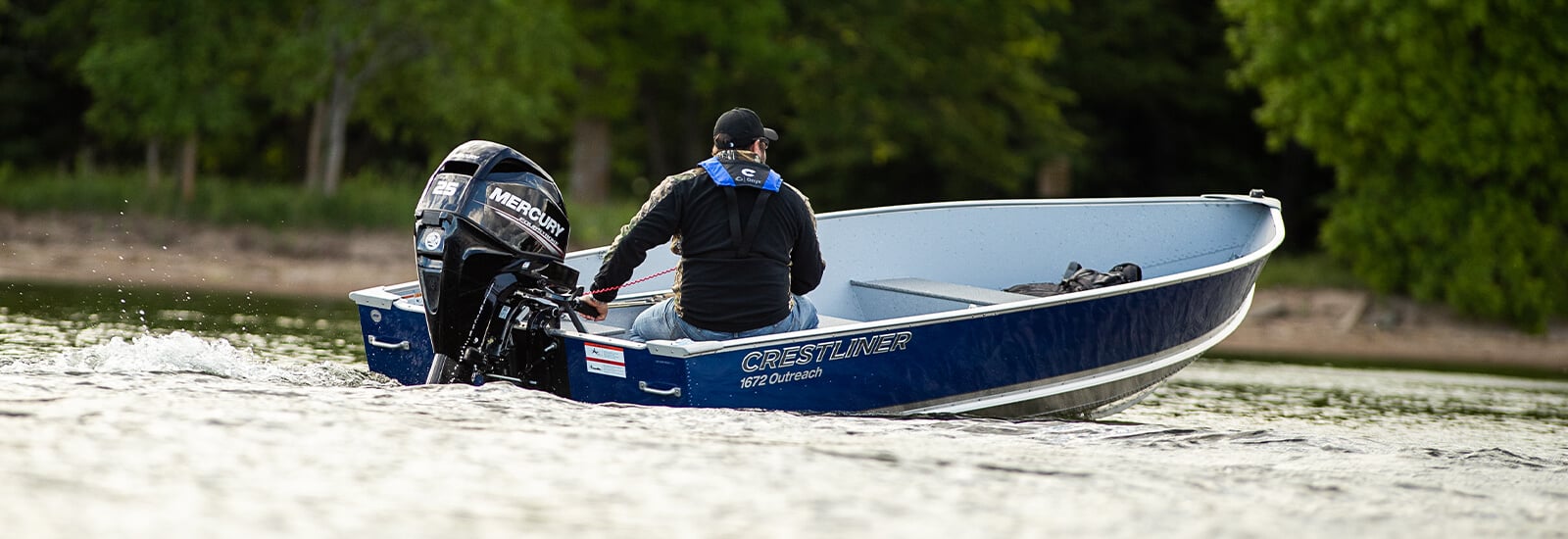
The first time somebody runs a Fish Hawk across a windblown lake in honest rough water, they usually understand pretty quickly why hull design matters.
Big rollers stop being theoretical once you’re miles from the landing with weather building behind you.
That’s where deep-V aluminum boats earn their keep.
Models like the Commander and Authority were built for those exact kinds of days — long runs, unpredictable weather, cold mornings, and water conditions that punish lightweight or poorly built hulls.
The welded construction changes the feel completely. Less rattling. Less flex. A tighter ride when the lake starts pushing back.
And after enough years fishing big water, anglers stop chasing luxury and start chasing confidence.
Confidence matters a whole lot more when the nearest landing is twenty miles away.
Skinny Water Plays by Different Rules
But shallow-water anglers live in a completely different world.
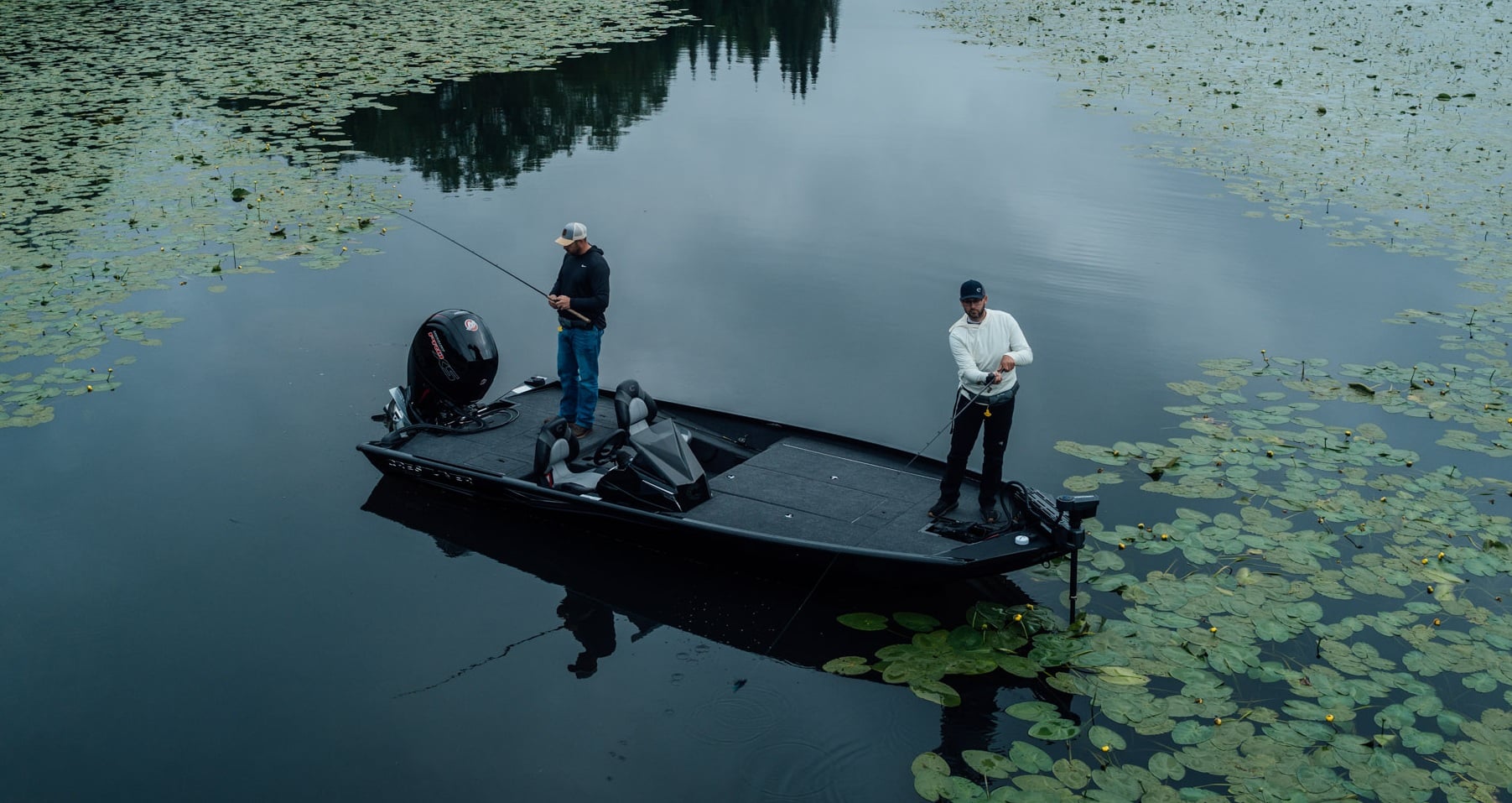
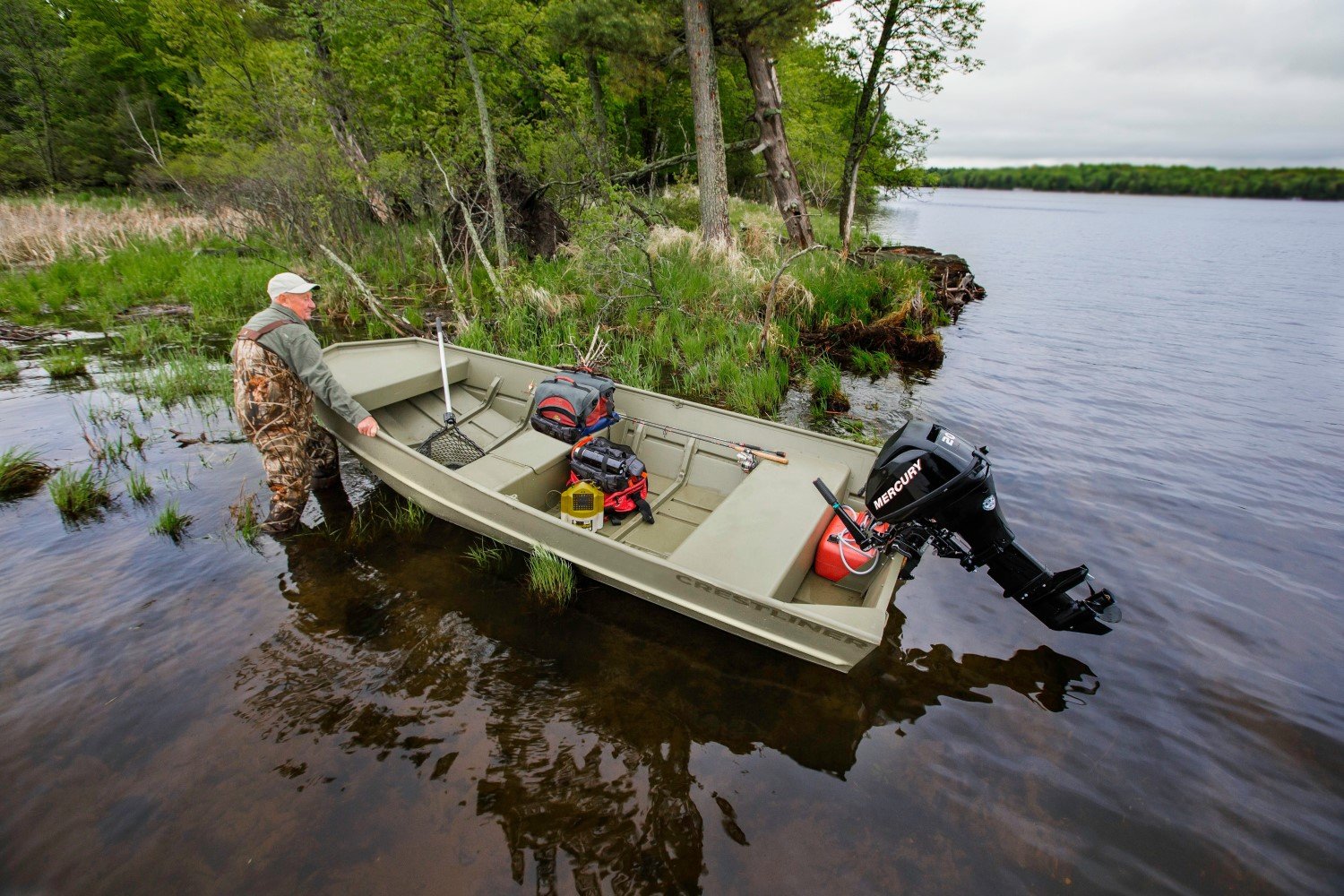
Some of the best fishing water in the country doesn’t even look accessible from shore. Flooded timber. Marsh edges. Narrow back channels. Rivers full of hidden stumps and sandbars.
Places where bigger boats become liabilities fast.
That’s where lighter aluminum rigs start making a whole lot of sense.
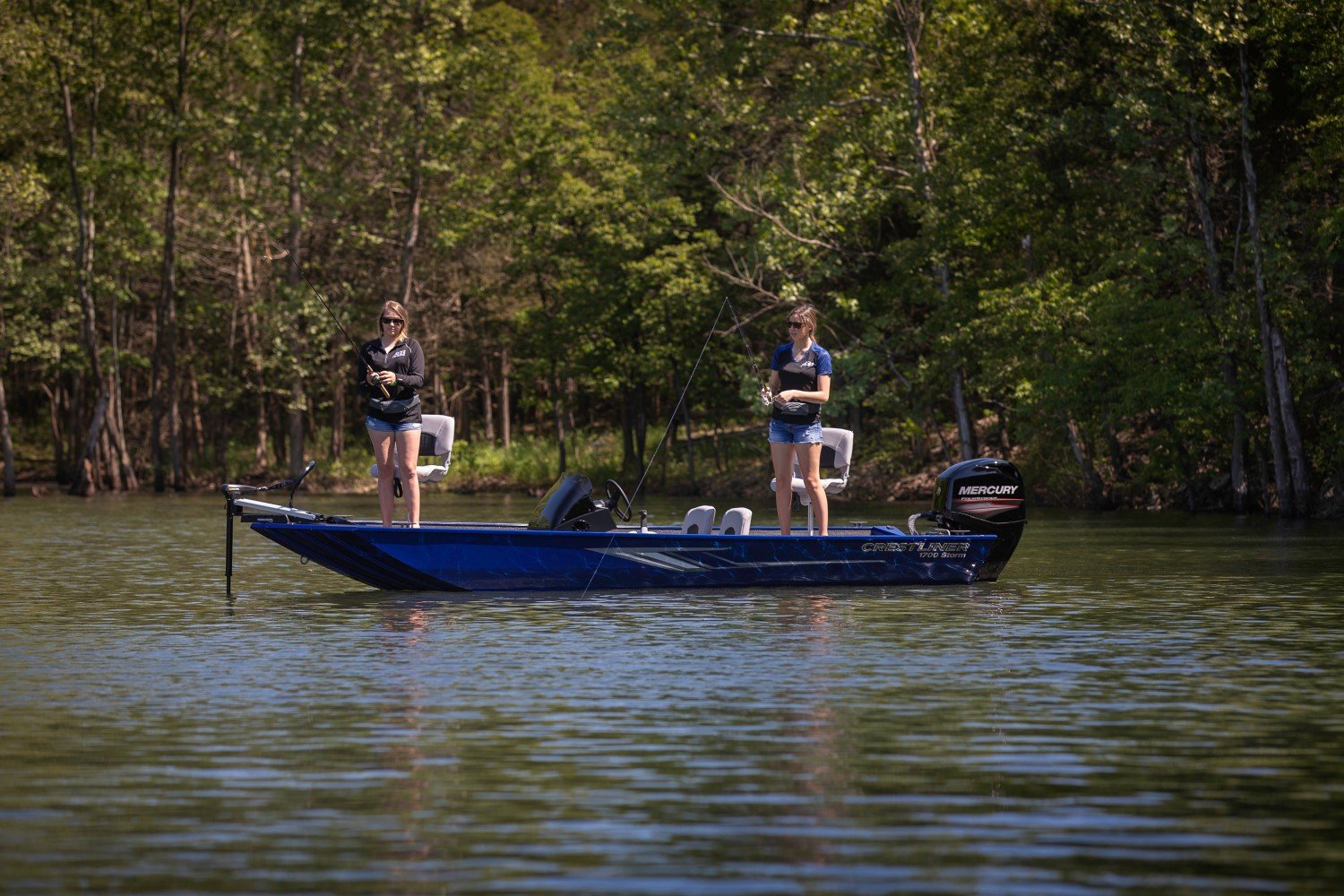
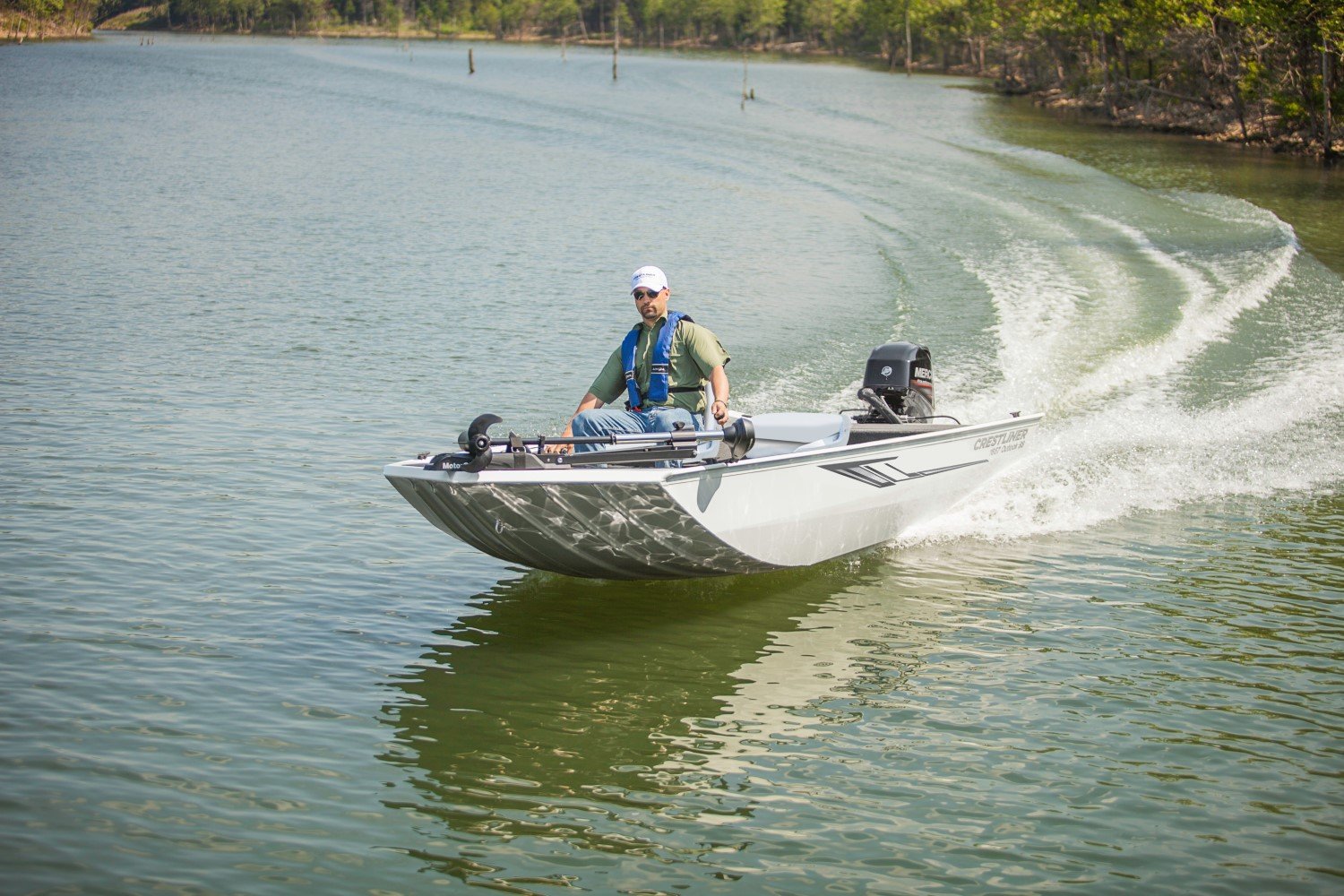
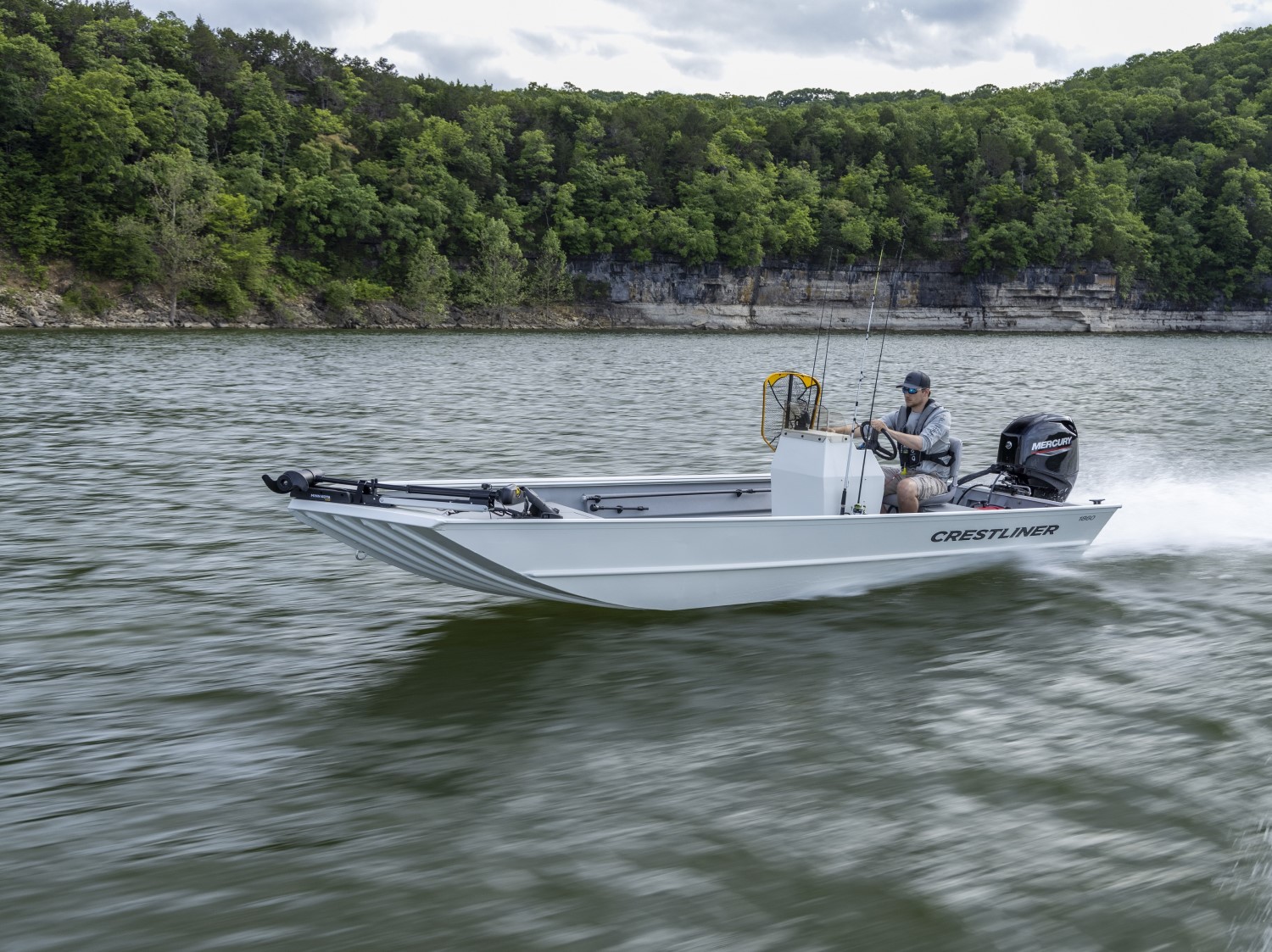
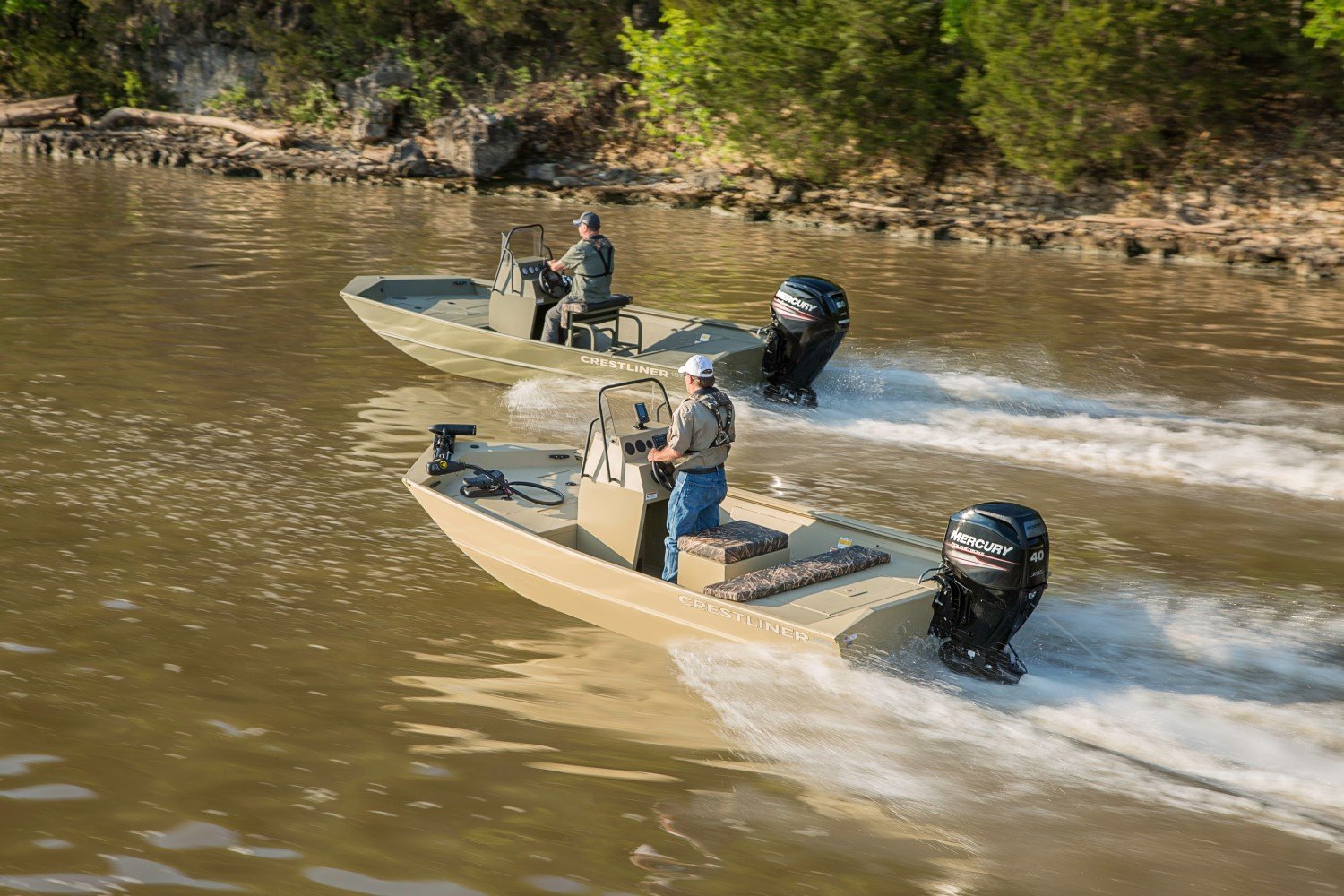
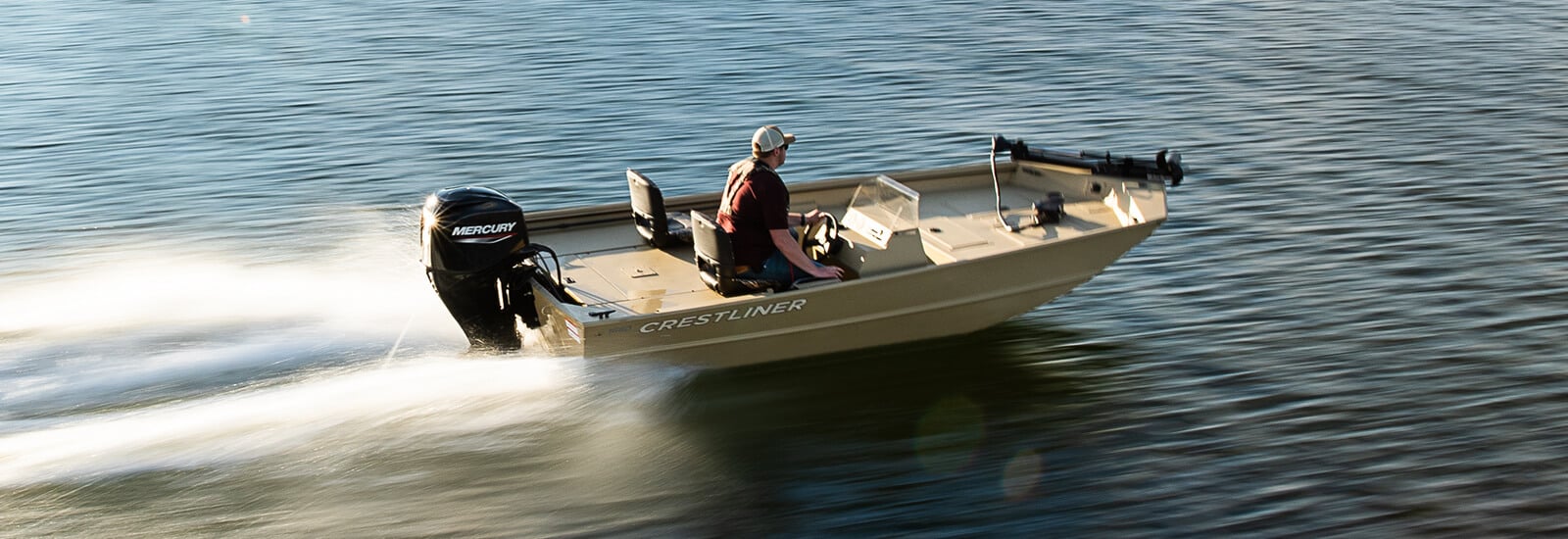
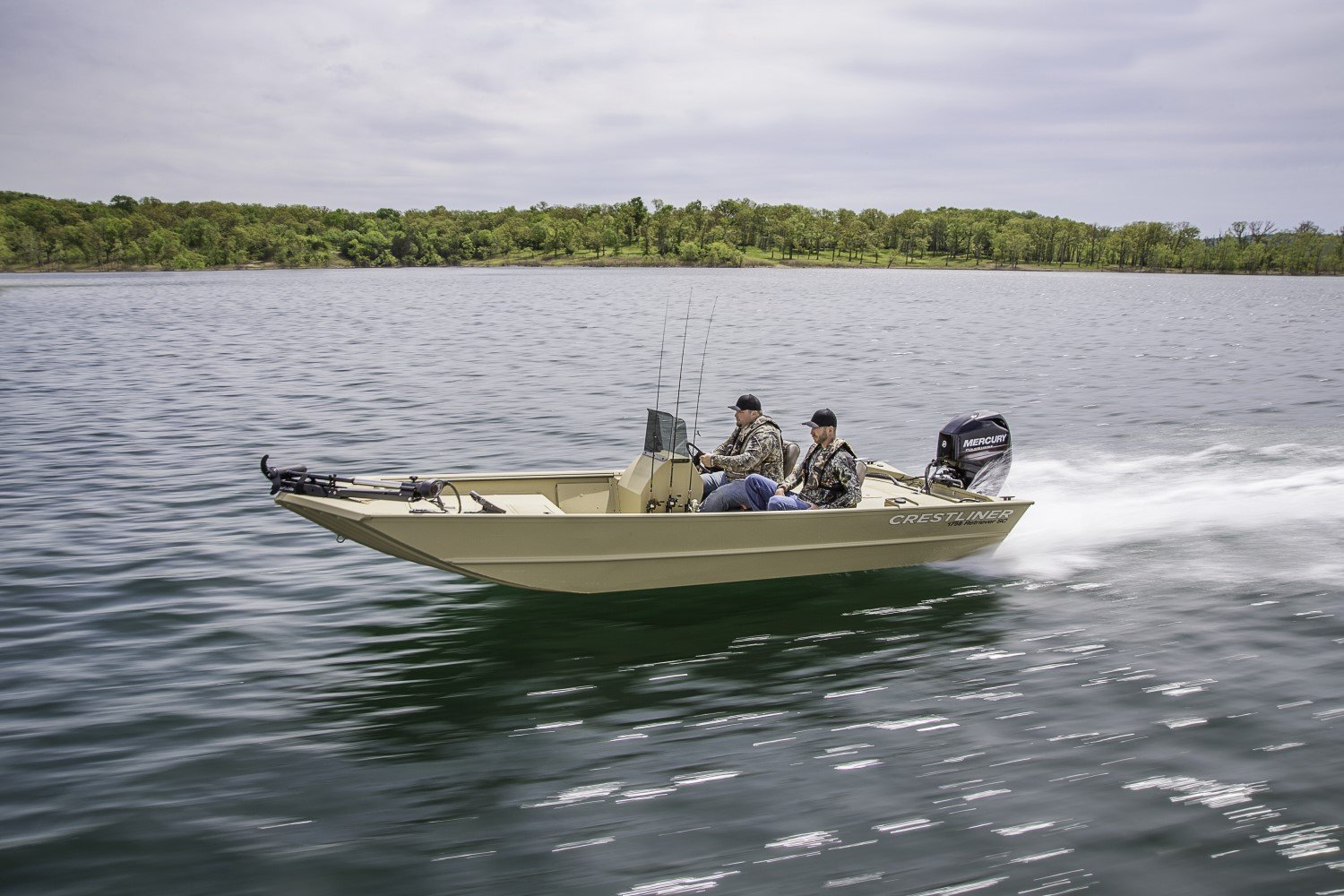
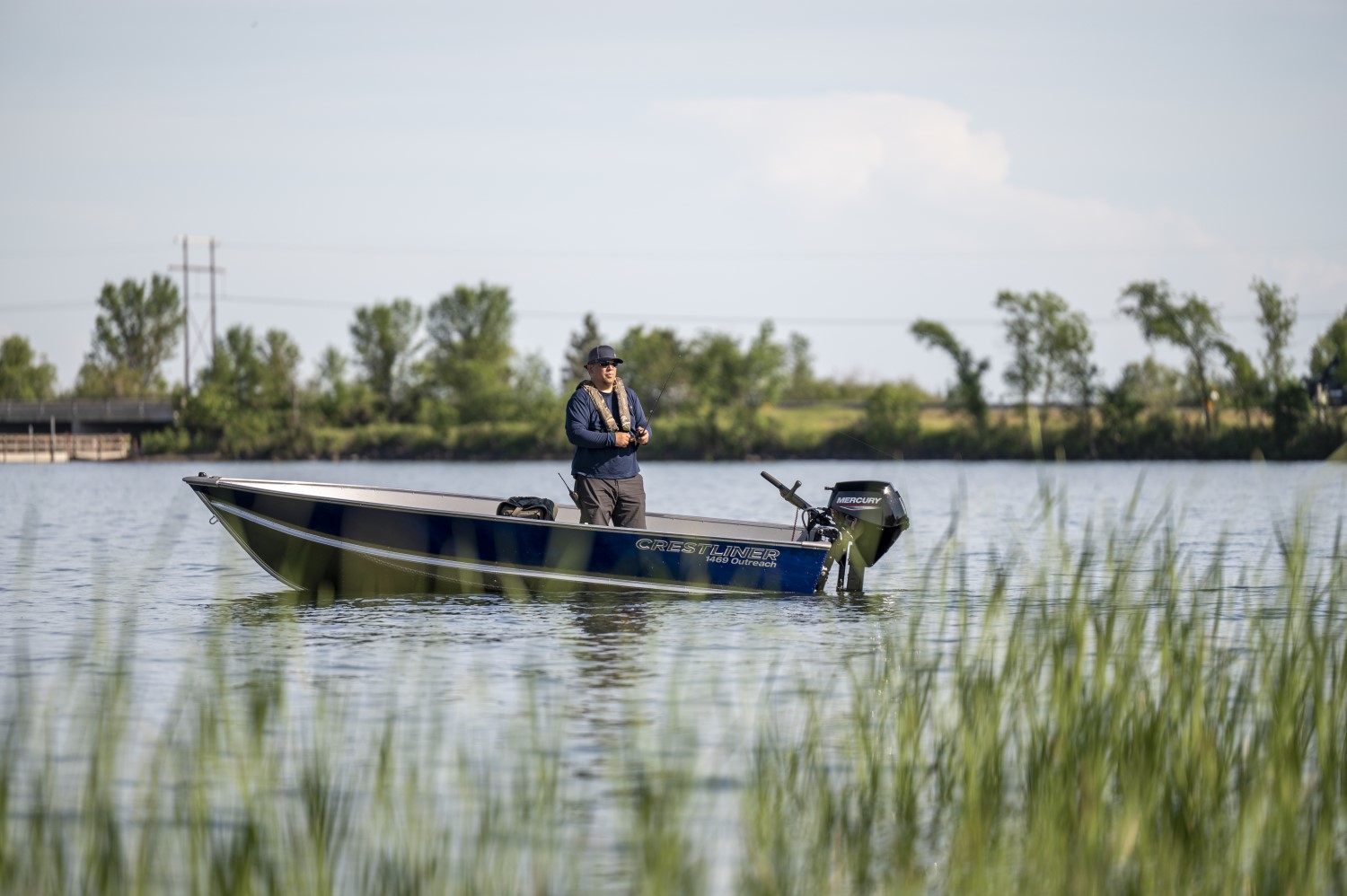
The Retriever, Kodiak, and Storm models weren’t designed for showing off at crowded marinas. They were designed for access.
They launch easier on rough ramps. Tow easier behind everyday trucks. Run shallower water with less stress. And they let anglers slip into places where fish still act like fish because fewer people can reach them.
And honestly, after enough years dealing with crowded lakes, access starts feeling more valuable than luxury anyway.
Fishing Boats Quietly Became Workstations
Modern aluminum fishing boats stopped being simple transportation a long time ago.
Now they’re built around efficiency.
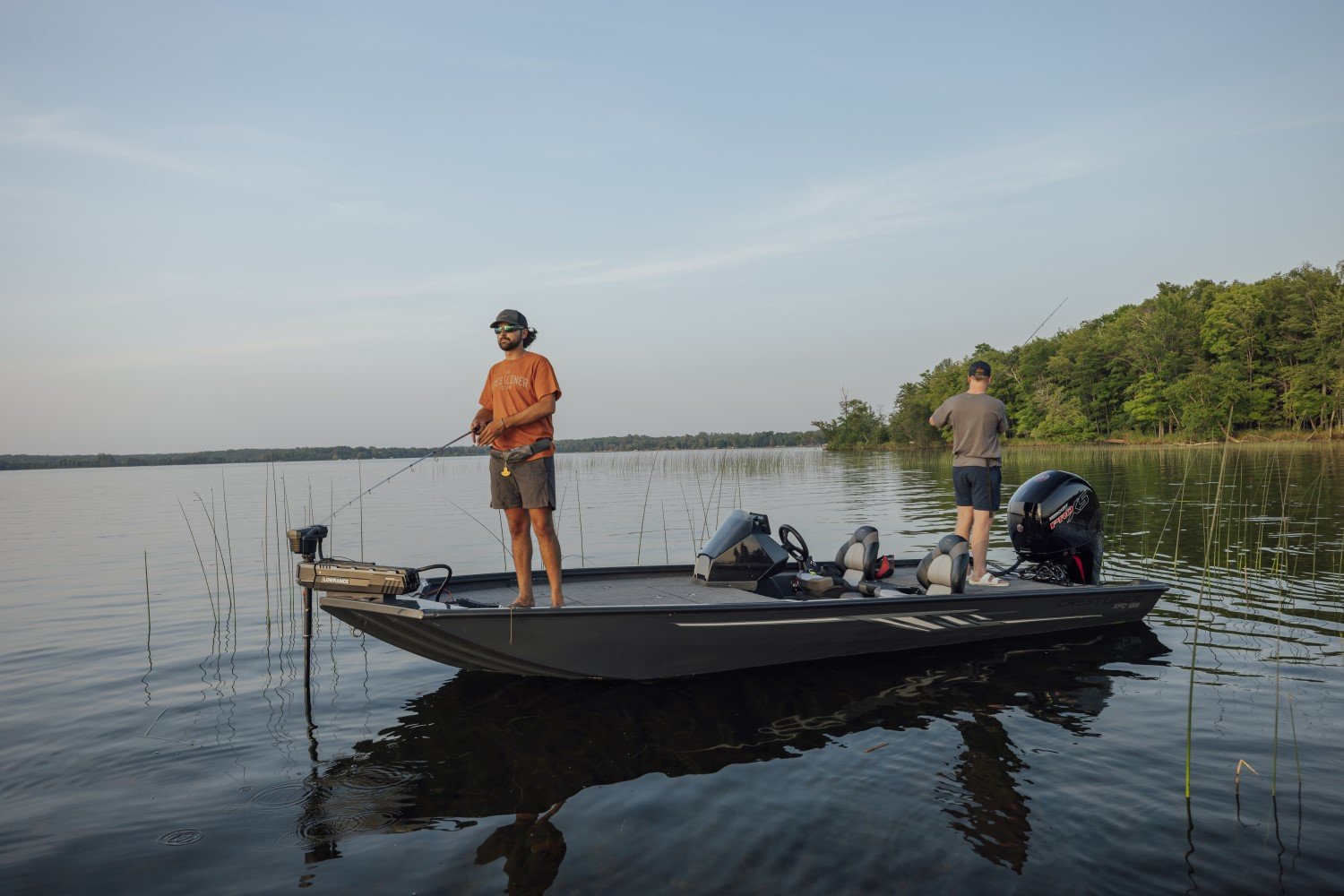
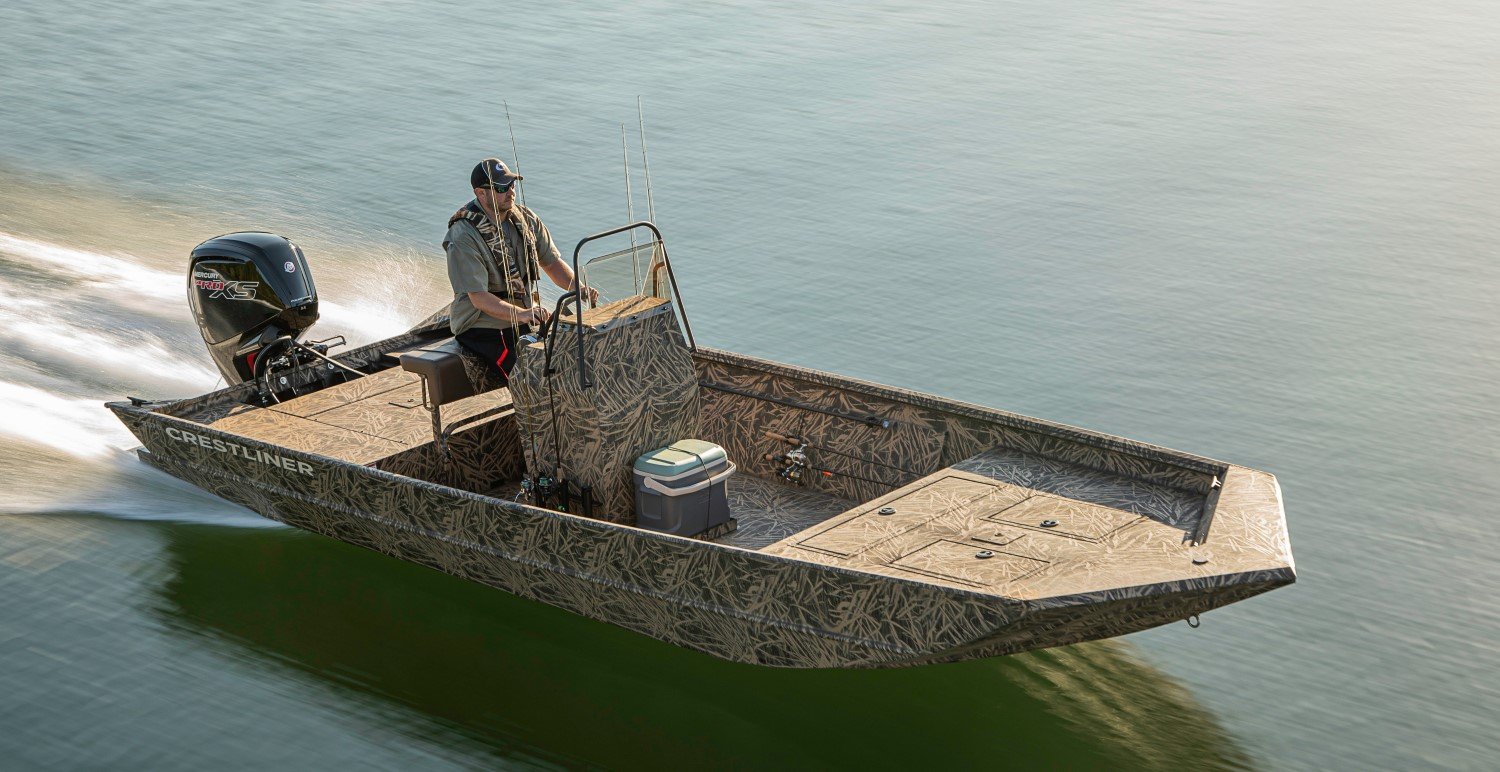
A clean deck matters after ten straight hours of casting. Rod storage matters when waves start throwing gear around. Large livewells matter during tournament season. Open layouts matter when anglers are constantly moving around the boat trying not to step over tackle bags, rods, or coolers.
The little details start adding up fast over a long day.
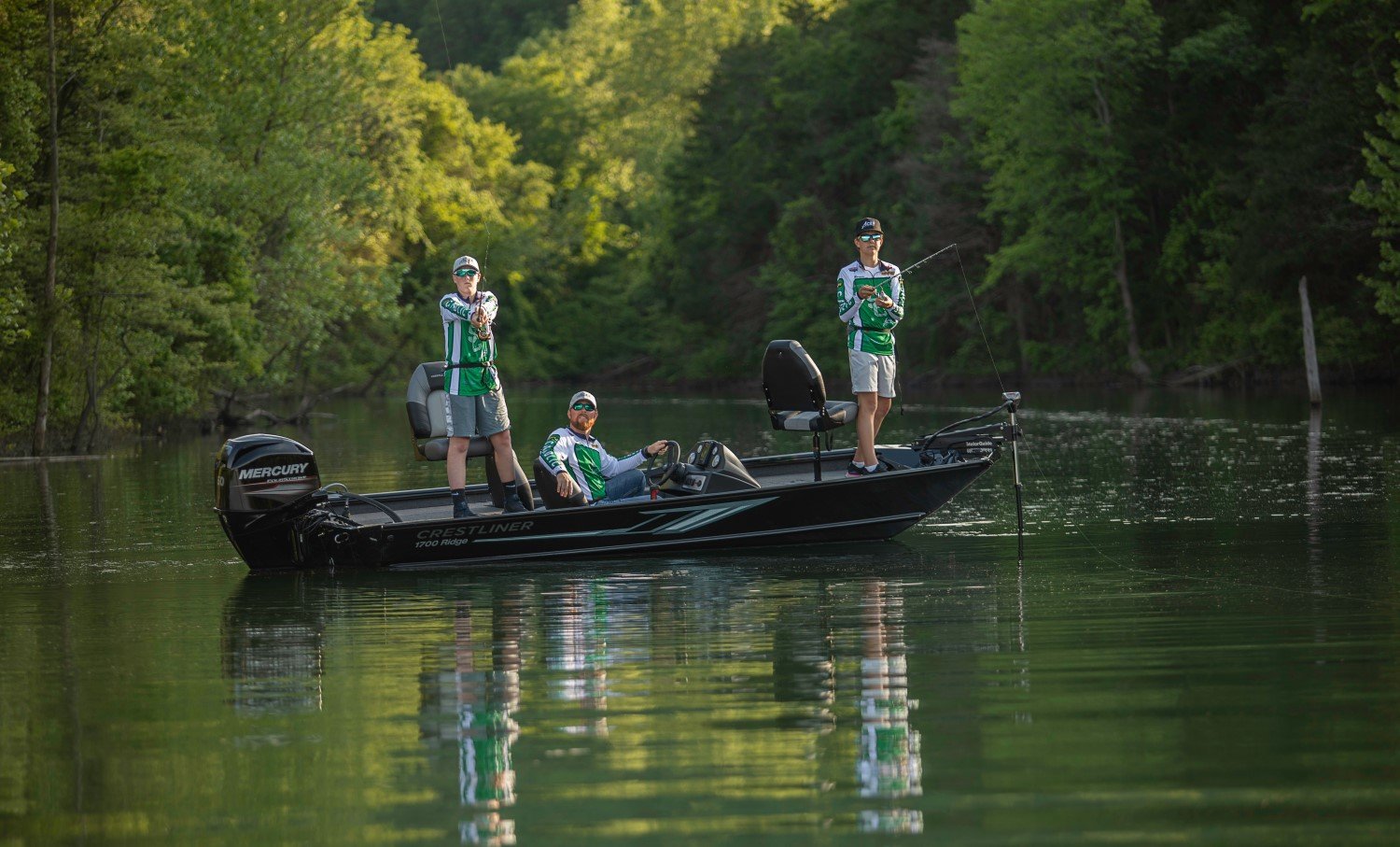
That’s why boats like the XFC and Fish Hawk became favorites for serious anglers. Not because they’re flashy, but because they make fishing easier.
The layouts work with you instead of against you.
And experienced anglers notice that stuff immediately.
The Right Boat Usually Isn’t the Biggest One
A lot of first-time buyers assume bigger automatically means better.
Most experienced anglers know that’s usually not true.
The right aluminum boat depends entirely on the water you fish most.
Big reservoirs demand something different than rivers. Walleye anglers fish differently than bass anglers. A family chasing panfish on weekends probably doesn’t need the same setup as somebody trolling giant water for salmon in late October.
That’s also why aluminum boats spread across such a wide range of price points.
Smaller setups like the Discovery or entry-level Retriever models can often get anglers on the water somewhere in the $15,000–$30,000 range depending on motor size and electronics.
Move into mid-range rigs like the Fish Hawk, Super Hawk, or larger Kodiak setups, and most anglers land somewhere between $30,000–$65,000 once trolling motors, trailers, and electronics start entering the picture.
Then there’s the serious big-water category.
Fully rigged Authority and Commander boats loaded with advanced sonar, premium electronics, large outboards, shallow-water anchors, and tournament-level rigging can push well past $100,000 surprisingly fast.
And honestly, most anglers eventually figure out the price matters less than the trust.
In the End, Trust Matters More Than Specs
Trust that the hull can handle rough water when the forecast gets it wrong.
Trust that the boat can survive rough launches, shallow water, and years of hard use.
Trust that when the fish are biting miles from the landing, the ride home won’t become the worst part of the day.
That’s the kind of confidence aluminum boats have been building for decades.
Not through marketing.
Through time on the water.
Visit your local Crestliner boat dealer to get started with your ideal aluminum boat set up.